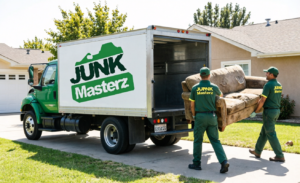
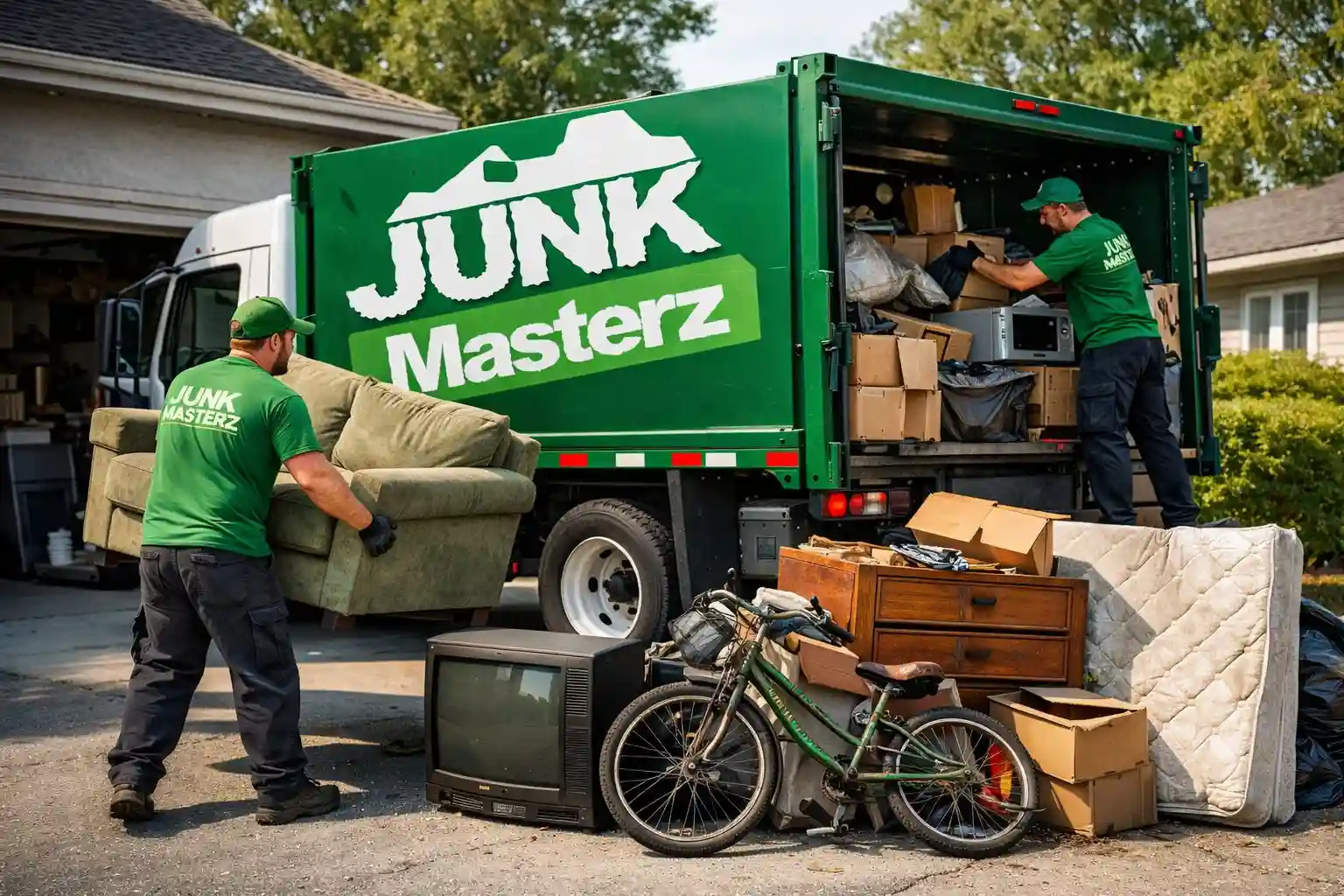
Have you ever watched a junk removal truck drive away with an old couch, broken appliance, or pile of household clutter and wondered where it all goes?
Many people assume that everything collected by junk removal companies ends up in a landfill. In reality, reputable junk removal providers follow a much more responsible process. They sort items for recycling, donation, resale, and proper disposal whenever possible. Their goal is to reduce landfill waste and give reusable materials a second life.
If you’ve ever asked yourself What Do Junk Removal Companies Do With Your Junk? this guide will walk you through the entire process and explain how professional junk haulers prioritize environmental responsibility.
Quick Answer: What Happens to Your Junk After Pickup?
Most professional junk removal companies sort collected items into several categories:
- Recyclable materials
- Donatable items
- Reusable goods
- Yard waste
- Construction debris
- Landfill-bound materials
Instead of dumping everything, responsible companies aim to divert as much waste as possible from landfills through recycling programs, donation partnerships, and proper disposal methods.
How Junk Removal Companies Handle Waste
The journey of your unwanted items doesn’t end when they leave your property. Professional junk removal companies follow a systematic process to determine the best destination for every item.
Step 1: Collection and Transportation
The first step involves removing unwanted items safely and efficiently from homes, offices, garages, storage units, or construction sites.
Common items collected include:
- Furniture
- Mattresses
- Appliances
- Electronics
- Yard debris
- Construction waste
- Household junk
If you’re replacing old furniture, you may also find our guide on How to Get Rid of Old Furniture Responsibly helpful for understanding your disposal options before scheduling a pickup.
Step 2: Sorting and Evaluation
After collection, materials are transported to a sorting facility where they are evaluated based on:
- Condition
- Material type
- Reusability
- Recyclability
- Safety requirements
This sorting process helps maximize recovery rates and supports responsible disposal practices.
Do Junk Removal Companies Recycle or Dump Everything?
One of the most common questions homeowners ask is: Do junk removal companies recycle or dump everything?
The answer is no.
Most reputable companies actively work to recycle and reuse materials whenever possible.
Materials Commonly Recycled
Metal Items
Metals are among the easiest materials to recycle.
Examples include:
- Steel furniture
- Aluminum frames
- Copper wiring
- Metal shelving
These materials can be processed and used to manufacture new products.
Electronics
Electronics contain valuable materials that can often be recovered.
Items commonly recycled include:
- Computers
- Printers
- Televisions
- Audio equipment
Many junk removal companies partner with certified e-waste facilities to ensure safe processing.
For more information about handling old electronics, check out our article on How to Dispose of Electronics Safely.
Paper and Cardboard
Paper products are frequently recovered and recycled into new packaging materials.
Examples include:
- Cardboard boxes
- Office paper
- Newspapers
- Magazines
Plastics
Depending on local recycling capabilities, many plastic items can also be diverted from landfills.
What Happens to Furniture After Junk Removal?
Furniture often represents a large portion of residential junk removal jobs.
Fortunately, many furniture items still have value.
Donation Opportunities
When furniture remains in good condition, it may be donated to:
- Local charities
- Community organizations
- Shelters
- Nonprofit furniture banks
Organizations such as Habitat for Humanity ReStore accept gently used furniture and household goods, helping families in need while reducing waste.
Furniture Recycling
Damaged furniture may still contain recyclable materials, including:
- Metal frames
- Wood components
- Fabric materials
- Foam padding
Separating these materials helps keep bulky items out of landfills.
What Happens to Old Mattresses?
Mattresses are one of the most challenging household items to dispose of because they contain multiple materials.
A typical mattress includes:
- Steel springs
- Foam
- Fabric
- Wood
Specialized recycling facilities dismantle mattresses and recover these materials for reuse.
If you’re replacing an old bed, our Mattress Recycling Guide explains how mattresses are recycled and why proper disposal is important.
Appliance Disposal and Recycling
Large appliances contain valuable materials that should not be wasted.
Appliances Commonly Recycled
- Refrigerators
- Freezers
- Washers
- Dryers
- Dishwashers
- Stoves
Many appliance recycling programs recover:
- Steel
- Aluminum
- Copper
- Plastic components
Some appliances also contain refrigerants that must be removed safely according to environmental regulations.
For a deeper look at appliance disposal, see our guide on How to Dispose of Appliances Responsibly.
What Happens to Construction Debris?
Home renovation and construction projects generate large amounts of waste.
Rather than sending everything to a landfill, professional junk removal companies often separate recyclable materials.
Recyclable Construction Materials
- Concrete
- Asphalt
- Metal scraps
- Wood
- Drywall
Many recycling facilities process these materials into products that can be reused in future construction projects.
According to the U.S. Environmental Protection Agency (EPA), construction and demolition recycling helps conserve natural resources and reduce landfill demand.
How Yard Waste Is Handled
Yard debris requires a different disposal process than household junk.
Common yard waste includes:
- Tree branches
- Leaves
- Grass clippings
- Shrubs
- Garden waste
Composting and Mulching
Many municipalities and processing facilities convert organic waste into:
- Compost
- Mulch
- Soil amendments
This approach turns green waste into useful landscaping products rather than allowing it to occupy landfill space.
What Happens to Items That Cannot Be Recycled?
Even with advanced recycling programs, some materials cannot be reused or recovered.
Examples include:
- Contaminated materials
- Certain composite products
- Severely damaged furniture
- Non-recyclable plastics
In these cases, reputable junk removal companies use licensed disposal facilities and follow local environmental regulations to ensure safe handling.
Landfill disposal is generally considered a last resort after all recycling and donation opportunities have been explored.
Environmental Benefits of Professional Junk Removal
Hiring a responsible junk removal company and get their affordable junk pickup services does more than clear clutter from your property.
Reduced Landfill Waste
More materials are recycled and reused instead of being discarded.
Resource Conservation
Recovered materials reduce the need for extracting new raw resources.
Lower Environmental Impact
Recycling often requires less energy than manufacturing products from virgin materials.
Community Support
Donated items help local families and charitable organizations.
Organizations such as Earth911 provide valuable information about recycling opportunities and sustainable disposal practices.
How to Choose an Eco-Friendly Junk Removal Company
Not all junk removal companies follow the same standards.
Before hiring a service, ask these questions:
Do You Recycle Materials?
A reputable company should have established relationships with local recycling facilities.
Do You Donate Usable Items?
Donation partnerships demonstrate a commitment to sustainability.
What Percentage of Materials Are Diverted From Landfills?
Higher diversion rates often indicate more environmentally responsible practices.
How Do You Handle Hazardous Materials?
Proper handling protects both public health and the environment.
Final Thoughts
So, what do junk removal companies do with your junk?
The answer is much more encouraging than many people realize. Most professional junk removal companies sort items carefully, recycling valuable materials, donating usable goods, and disposing of non-recoverable waste responsibly.
Understanding what happens to items picked up by junk removal companies can help you choose a provider that aligns with your environmental values. By working with a company that prioritizes recycling, donation, and responsible disposal, you’re helping reduce waste and support a cleaner, more sustainable future.
Frequently Asked Questions
Do junk removal companies recycle or dump everything?
No. Most reputable junk removal companies recycle, donate, or repurpose materials whenever possible before sending any remaining waste to a landfill.
What happens to items after junk removal companies haul them away?
Items are sorted and directed to recycling facilities, donation centers, resale channels, composting facilities, or licensed disposal sites depending on their condition and material type.
Can old furniture be donated?
Yes. Furniture in good condition is often donated to charities, shelters, and nonprofit organizations that help families in need.
Are electronics recycled?
Many professional junk removal companies partner with certified e-waste recyclers to safely process electronic devices.
How junk removal companies handle waste responsibly?
Responsible junk removal companies sort materials, prioritize recycling and donations, comply with environmental regulations, and use landfills only when no better disposal option exists.
Why hire a professional junk removal company?
Professional services save time, improve safety, ensure proper disposal, and help maximize recycling and donation opportunities.