Small refrigerators are common in dorm rooms, garages, offices, bedrooms, and apartments. They are convenient, compact, and useful for storing drinks, snacks, and frozen items. But when the unit stops working or you no longer need it, many people ask the same question: how to dispose of small fridge
Unlike regular household waste, refrigerators contain metal, plastic, insulation, and refrigerants that need special handling. Throwing one away incorrectly can harm the environment and may even violate local disposal rules.
In this complete guide, you will learn how to dispose of a mini fridge, whether you can throw a mini fridge in the dumpster, disposal costs, and the best eco-friendly options in 2026.
Why Small Refrigerators Need Special Disposal
Mini fridges may look small, but they contain materials that should not be placed in standard trash bins.
Refrigerants Can Harm the Environment
Many older refrigerators contain Freon or similar cooling chemicals. These gases must be removed safely by certified technicians.
Valuable Materials Can Be Recycled
Most small refrigerators contain:
- Steel
- Copper
- Aluminum
- Plastic
- Wiring components
These materials can often be reused.
Local Laws May Restrict Disposal
Some cities ban appliances from landfills or regular trash collection. Always check local regulations first.
How to dispose of small fridge: 7 Best Ways
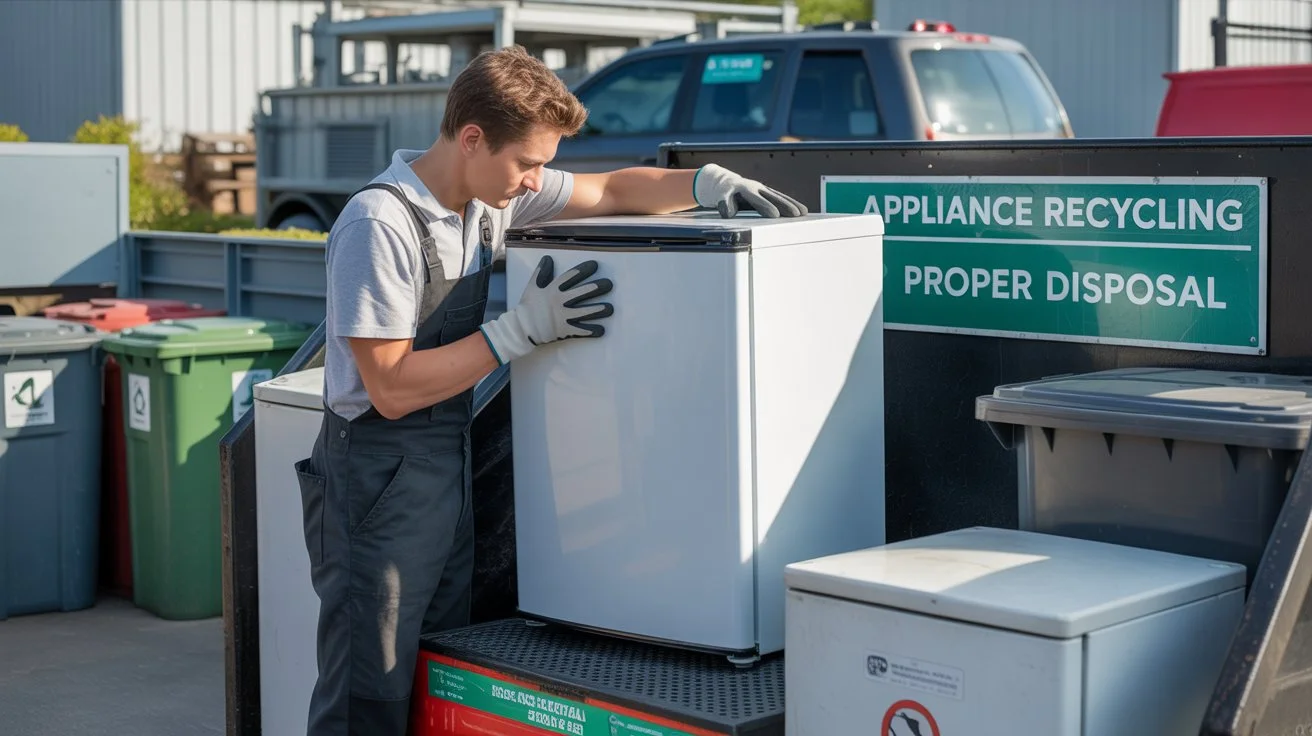
1. Take It to an Appliance Recycling Center
Recycling centers are one of the best options for disposing of broken or old refrigerators. They safely remove refrigerants and recycle usable materials.
Best For:
- Broken mini fridges
- Non-working units
- Eco-friendly disposal
Average Cost: Free to $50
2. Schedule Bulk Trash Pickup
Many cities offer large-item pickup services for appliances.
Contact your local sanitation department to ask:
- Do they accept mini fridges?
- Is an appointment required?
- Does Freon need to be removed first?
This is often an affordable option.
3. Donate a Working Mini Fridge
If the unit still works, donation is a smart choice.
Possible donation places:
- Local charities
- Shelters
- Churches
- Community groups
- College students
You can also check national donation organizations such as Habitat for Humanity ReStore and The Salvation Army to see if they accept working appliances in your area.
This is one of the easiest ways for how to get rid of a mini fridge responsibly.
4. Sell It Online
Used mini fridges often sell quickly if they still cool properly.
Popular places to sell:
- Facebook Marketplace
- Craigslist
- OfferUp
- Local community groups
Even older models may have value.
5. Use Retailer Haul-Away Service
If buying a new refrigerator, many retailers will remove the old unit when delivering the replacement.
Typical Cost: Free to $40, depending on promotions.
6. Hire a Junk Removal Company
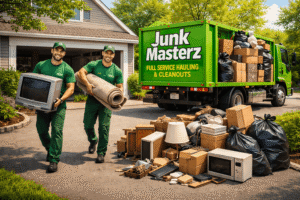
If you need fast service and no heavy lifting, junk removal companies can remove the fridge from anywhere in the home.
Best For:
- Upstairs apartments
- Condos
- Garages
- Same-day pickup
- Broken appliances
7. Scrap Metal Recycling
Some scrap yards accept refrigerators after refrigerants have been professionally removed.
Call ahead before transporting the unit.
Reasons Dumpsters Often Reject Mini Fridges
- Cooling chemicals inside
- Environmental regulations
- Appliance disposal bans
- Weight restrictions
- Recycling requirements
Before doing this, always ask your dumpster rental company.
Can I Put a Mini Fridge in the Dumpster?
If you are asking can I put a mini fridge in the dumpster, it depends on:
- Local laws
- Dumpster company rules
- Whether Freon was removed
- Type of construction debris container
Never assume it is allowed.
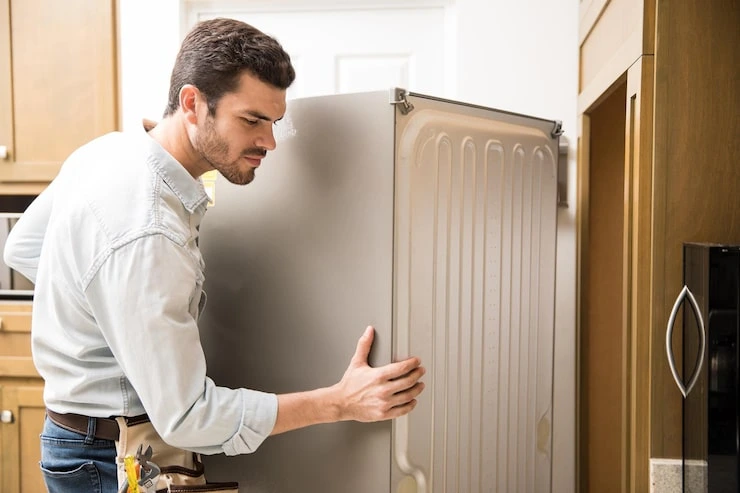
Can I Throw Away a Mini Fridge in the trash?
Another common question is can I throw away a mini fridge in trash?
In most cities, regular weekly trash pickup does not accept refrigerators.
Mini fridges are considered bulky appliances and need special disposal.
Do not leave one beside trash bins unless approved by your waste provider.
How to Dispose of a Mini Fridge in an Apartment
Apartment disposal can be harder due to stairs, elevators, and building rules.
Best Options
Ask Property Management
Many buildings have approved appliance removal vendors.
Check Bulk Pickup Days
Some apartment communities schedule monthly junk collection.
Hire Valet Junk Removal
Fastest option if you need the fridge removed from inside the unit.
How Much Does It Cost to Dispose of a Small Refrigerator?
| Disposal Method | Average Cost |
|---|---|
| Recycling Center | Free – $50 |
| Bulk Pickup | Free – $35 |
| Donation | Free |
| Junk Removal | $75 – $180 |
| Retailer Haul Away | Free – $40 |
| Scrap Yard | Sometimes pays small amount |
Prices depend on location, stairs, weight, and urgency.
How to Prepare a Mini Fridge for Disposal
Before removing the refrigerator, follow these steps.
Empty All Food Items
Remove drinks, frozen food, and shelves.
Unplug 24 Hours Before
Allow time to defrost and prevent leaks.
Clean the Interior
Wipe odors, spills, and mold.
Secure the Door
Tape doors shut or remove doors if required by local safety rules.
Measure Doorways
Make sure the fridge can fit through hallways and stairs.
Eco-Friendly Ways to Get Rid of a Fridge
If you want the most responsible solution, choose one of these:
- Donate a working fridge
- Recycle through certified center
- Use retailer take-back service
- Sell locally for reuse
These options reduce landfill waste.
Common Mistakes to Avoid
Leaving It on the Curb Without Approval
Some cities fine illegal dumping.
Putting It in a Dumpster Without Permission
This may create extra fees.
Cutting Refrigerant Lines Yourself
Only licensed technicians should remove Freon.
Ignoring Local Rules
Every city has different appliance disposal laws.
Best Disposal Option Based on Your Situation
| Situation | Best Option |
|---|---|
| Working Mini Fridge | Donate or Sell |
| Broken Unit | Recycle |
| Need Fast Pickup | Junk Removal |
| Buying a New Appliance | Retailer Haul Away |
| Lowest Cost | City Pickup |
Conclusion
Knowing how to dispose of small fridge the right way helps protect the environment, avoids fines, and saves time.
If the fridge still works, donation or resale is often the best route. If it is broken, recycling centers and junk removal companies provide safe removal options. People asking how do I dispose of a mini fridge should always start by checking local city guidelines.
Many also wonder can I throw a mini fridge away or can I throw away a mini fridge in trash. In most cases, standard trash service does not allow appliances, so special pickup is required.
The smartest choice is the one that fits your budget, timeline, and local regulations. Whether you recycle, donate, or hire help, proper disposal keeps waste out of landfills and handles harmful materials safely.
FAQS
Can I throw away a mini fridge in trash?
In most areas, regular household trash service does not accept mini fridges. They are considered bulky appliances and require special pickup, recycling, or professional disposal.
Is recycling better than dumping?
Yes. Recycling is the better option because it recovers valuable materials like steel, copper, and aluminum while safely removing harmful refrigerants. It also reduces landfill waste and environmental damage.
How do I prepare a mini fridge before disposal?
Empty all contents, unplug it at least 24 hours in advance, allow it to defrost, clean the inside, and secure the door. This makes removal safer and easier.
Can I donate an old mini fridge?
Yes, if it still cools properly and is clean. Many charities, shelters, schools, and local families may accept a working mini fridge.
How much does mini fridge disposal cost?
Costs vary by method. Recycling centers may charge free to $50, while junk removal services often range from $75 to $180, depending on location and labor required.