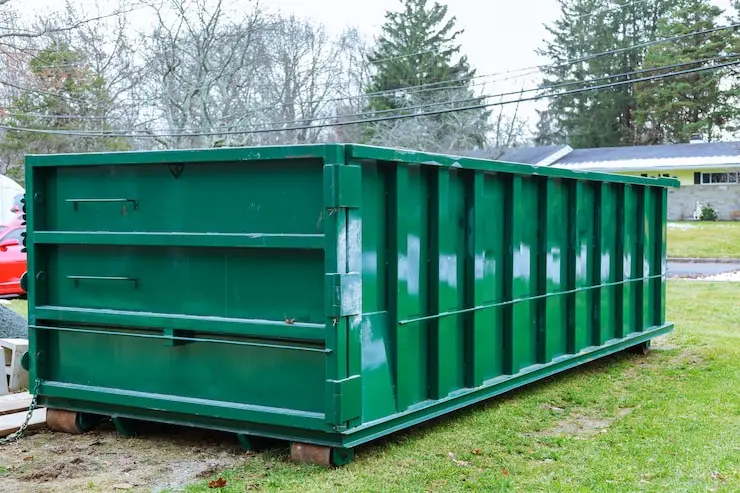
If you are planning a cleanup, remodel, or construction job, one question always comes up first: what size dumpster do I need? It sounds simple, but the answer depends on many things like debris type, weight, space, and how much trash you really have.
People often guess and end up with a dumpster that is too small or way too big. Both mistakes cost money and time. This guide is written to help homeowners, renters, contractors, and event planners make the right call the first time.
We will walk through dumpster sizing step by step, using plain language and real examples. By the end, you should feel confident choosing the right dumpster size for your project.
What Does “Dumpster Size” Really Mean?
When people talk about dumpster size, they are usually talking about cubic yard capacity. A cubic yard is a unit of volume. One cubic yard is about the size of a washing machine. Most roll off dumpster sizes range from 10 to 40 cubic yards.
Dumpster size is not just about how much fits inside. It also includes:
- Dumpster dimensions (length, width, height)
- Weight limit set by the landfill
- The type of debris you plan to throw away
- Where the dumpster will be placed
Standard dumpster dimensions matter because space can be tight. A driveway placement that works for one home may not work for another. This is why two dumpsters with the same cubic yard capacity may still feel different on-site.
Dumpster Size
Understanding what dumpster size really means helps answer the bigger question of what size dumpster do I need without guessing.
Let’s break down the different dumpster sizes and what they’re actually good for. This chart gives you the real dimensions and helps you picture what fits inside.
10-Yard Dumpster
- Typical dimensions: 14 feet long × 7.5 feet wide × 3.5 feet tall
- Holds: About 10 cubic yards or roughly 4 pickup truck loads
- Weight limit: Usually 2-3 tons
- Best for: Small bathroom remodels, garage cleanouts, yard debris from trimming trees or removing a small deck
- Real-world example: Cleaning out a one-car garage or replacing 1,500 square feet of carpet
15-Yard Dumpster
- Typical 15 yard dumpster size: 16 feet long × 7.5 feet wide × 4.5 feet tall
- Holds: About 15 cubic yards or roughly 6 pickup truck loads
- Weight limit: Usually 2-3 tons
- Best for: Medium cleanup projects, removing old flooring from several rooms, small estate cleanouts
- Real-world example: Tearing out a kitchen (cabinets, counters, and flooring) or clearing out a basement with old furniture
20-Yard Dumpster
- Common 20 yard dumpster dimensions: 22 feet long × 7.5 feet wide × 4.5 feet tall
- Holds: About 20 cubic yards or roughly 8 pickup truck loads
- Weight limit: Usually 3-4 tons
- Best for: Large home renovations, roof replacements for small to medium homes, whole-house carpet removal
- Real-world example: Replacing a 3,000 square foot roof or gutting and remodeling two bathrooms
30-Yard Dumpster
- Typical dimensions: 22 feet long × 7.5 feet wide × 6 feet tall
- Holds: About 30 cubic yards or roughly 12 pickup truck loads
- Weight limit: Usually 4-5 tons
- Best for: Major home additions, large construction debris projects, whole-home cleanouts
- Real-world example: Building a large deck, removing siding from an entire house, or major estate cleanouts
40-Yard Dumpster
- Typical dimensions: 22 feet long × 7.5 feet wide × 8 feet tall
- Holds: About 40 cubic yards or roughly 16 pickup truck loads
- Weight limit: Usually 5-7 tons
- Best for: Commercial projects, complete home gut-jobs, new construction sites
- Real-world example: Tearing down a large shed or garage, commercial building cleanouts
When looking at different size roll off dumpsters, remember that the “yard” number tells you volume, not actual size. A container’s shape might vary, but the capacity stays the same.
Read More: How Much Does a Dumpster Rental Cost?
How To Estimate Your Dumpster Needs
If you are asking, how do I know what size dumpster I need, start with trash estimation. This means taking a close look at what you plan to throw away.
Step 1: List Your Debris
Write down everything going into the dumpster. Are you tossing old furniture, drywall, wood, or yard debris? Different materials take up space in different ways.
Step 2: Think in Pickup Loads
One pickup truck load equals about 2 to 3 cubic yards.
- 3 pickup loads = 10 yard dumpster
- 6 to 7 pickup loads = 20 yard dumpster
This method helps visualize volume without measuring.
Step 3: Plan for Extra
Most cleanup projects grow as you work. Hidden junk, broken materials, and last-minute changes add up. Choosing a slightly larger dumpster size can save you from needing a second rental.
Material-Based Weight Considerations
Here’s something that catches people off guard: you can’t always fill a dumpster to the top. The culprit? Weight limits.
Every dumpster rental comes with a weight limit measured in tons. Go over that limit, and you’ll pay hefty overage fees sometimes $50-100 per extra ton. Understanding your materials disposal needs prevents these surprise charges.
Lightweight materials (can fill the dumpster completely):
- Household junk and furniture
- Yard debris like branches, leaves, and grass
- Drywall and wood
- Carpet and padding
- Cardboard and paper waste
Medium-weight materials (fill about halfway to two-thirds):
- Mixed home renovation waste
- Doors and windows
- Kitchen cabinets
- Vinyl siding
- Fencing
Heavyweight materials (fill only one-third or less):
- Concrete and asphalt
- Brick and stone
- Dirt and soil
- Roofing shingles
- Tile and hardwood flooring (large amounts)
Let’s look at a real example: You’re replacing your roof. A typical 2,000 square foot roof generates about 2-3 tons of shingles. A 20-yard dumpster has a 3-4 ton limit, which sounds perfect. But here’s the catch you can only fill that 20-yarder about one-third full with shingles before hitting the weight limit. Some companies offer special “heavy debris” dumpsters for roofing and concrete these are shorter but have higher weight limits.
For construction site waste mixing light and heavy materials, load strategically. Put heavy stuff on the bottom and lighter materials on top. This distributes weight evenly and helps you maximize space.
Recycling options can also reduce your dumpster size needs. Many materials like metal, cardboard, and certain plastics can be separated and recycled instead of going in the dumpster. Some dumpster companies even offer discounts if you’re recycling a significant portion of your debris.
Costs and Weight Limit Fees
Nobody likes surprise charges, so let’s talk money. Understanding dumpster rental costs helps you budget correctly and avoid extras.
Base rental costs typically include:
- Delivery and pickup
- A set rental period (usually 7-14 days)
- The weight limit allowance
- Disposal fees for that weight limit
What drives up the price:
- Bigger sizes cost more (obvious, but worth noting)
- Longer rental periods beyond the initial timeframe
- Exceeding the weight limit
- Hazardous materials that require special disposal
- Permit fees if you need street placement
- Distance from the rental company’s location
Weight limit fees are the big surprise for most people. Here’s how they work: Your 20-yard dumpster includes 3 tons in the rental price. You load it up with concrete, and it weighs 5 tons. You’ll pay overage fees for those extra 2 tons often $50-100 per ton depending on your area and the company.
How to avoid overage fees:
Call the rental company and be specific about your materials. Say “I’m throwing away 2 tons of concrete” not “I’m doing a patio project.” Honesty gets you the right container with the right weight allowance.
Choose a dumpster with heavy debris pricing if you’re disposing of roofing, concrete, or dirt. These containers are smaller but have higher weight limits and often end up cheaper than a standard dumpster with overage fees.
Don’t mix prohibited items in your dumpster. Things like batteries, paint, tires, and appliances with refrigerants often require special disposal and carry extra charges. Ask your rental company for their prohibited items list.
At Junk Masterz, they explain all costs upfront no hidden fees, no surprises when the dumpster comes back. They’ll even help you estimate your project’s weight so you pick the right size from the start.
Project-Specific Guides
Let’s get specific. Here’s what you actually need for common projects:
Kitchen Remodel:
- Just cabinets and countertops: 10-yard dumpster
- Cabinets, counters, appliances, and flooring: 20-yard dumpster
- Full gut including walls, ceiling, and fixtures: 30-yard dumpster
Bathroom Remodel:
- One bathroom (tub, toilet, vanity, tile): 10-yard dumpster
- Two bathrooms: 15-20-yard dumpster
- Full master bath with separate tub and shower: 15-yard dumpster
Roofing Projects:
- Removing shingles from a 1,200 sq ft roof: 10-yard heavy debris dumpster
- Removing shingles from a 2,500 sq ft roof: 20-yard heavy debris dumpster
- Large homes over 3,500 sq ft: 30-40-yard heavy debris dumpster
Basement or Attic Cleanouts:
- Lightly packed space: 10-yard dumpster
- Moderately full space: 15-20-yard dumpster
- Packed floor to ceiling: 30-yard dumpster
Deck Removal:
- Small 10×10 deck: 10-yard dumpster
- Medium 12×20 deck: 20-yard dumpster
- Large 20×30 deck: 30-yard dumpster
Estate Cleanouts:
- Apartment or small condo: 10-15-yard dumpster
- Three-bedroom house: 20-30-yard dumpster
- Large home with garage and shed: 40-yard dumpster
Landscaping and Yard Work:
- Trimming and minor cleanup: 10-yard dumpster
- Removing shrubs and small trees: 15-yard dumpster
- Major landscaping overhaul: 20-30-yard dumpster
Flooring Removal:
- Carpet from 2-3 rooms: 10-yard dumpster
- Whole-house carpet: 15-20-yard dumpster
- Tile or hardwood from multiple rooms: 20-yard dumpster (watch the weight!)
For neighborhood cleanups or event waste management at festivals and community gatherings, estimate the number of attendees and the length of the event. A one-day community cleanup with 100 volunteers might need two 20-yard dumpsters, while a weekend festival with 500 attendees could need four 30-yard containers.
Permits and Placement
You’ve picked your size now where does it go? Driveway placement is ideal, but not always possible. Here’s what you need to know about permits and putting that dumpster where it needs to be.
When you DON’T need a permit:
- The dumpster fits completely on your private property
- You’re placing it in your driveway, lawn, or parking pad
- It doesn’t block sidewalks, fire hydrants, or traffic flow
When you DO need a permit:
- The dumpster must sit on a public street
- You’re blocking a sidewalk (even partially)
- Your HOA requires permits for temporary structures
- Local city ordinances require it (varies by location)
Getting a permit:
Contact your city or county public works department at least a week before delivery. Some cities process permits in a day, others take a week. Ask the dumpster rental company they often handle permits or know the exact requirements for your area.
Permit costs range from $20 to $100 depending on your location and how long you need the dumpster. Some cities charge daily rates, others charge flat fees.
Placement tips:
Make sure the delivery truck can access the spot. These trucks are big they need about 60 feet of straight space to set down the container. Tight driveways, low-hanging branches, and narrow streets can be problems.
Final Thoughts
Choosing the right dumpster does not have to be stressful. When you understand dumpster sizes, weight limits, and your debris type, the answer becomes clear. Taking time to plan saves money, avoids extra fees, and keeps your project on track.
If you ever want expert help, this is a natural place to guide readers to Contact Us on your services page so they can get personal advice on dumpster rental options.
Companies like Junk Masterz help customers every day with dumpster sizing questions, making sure each project gets the right fit the first time. When you ask yourself what size dumpster do I need, remember that the best choice is the one that matches your project, your space, and your materials.
FAQs
What dumpster size do I need for a home cleanout?
For most home cleanouts, a 20 yard dumpster is the best choice. It holds about 6–8 pickup truck loads and works well for furniture, boxes, and general household junk. Smaller apartments may only need a 15 yard dumpster, while full home cleanouts often require a 30 yard dumpster.
How many cubic yards will I need for my project?
Most residential cleanup projects need between 10 and 30 cubic yards.
- Small cleanouts or yard debris: 10–15 cubic yards
- Home renovations or large cleanouts: 20 cubic yards
- Major remodels or construction debris: 30–40 cubic yards
Estimating cubic yard capacity helps prevent overfilling and extra fees.
Does dumpster size include weight limits?
Yes. Every dumpster size has a weight limit based on landfill rules. Smaller dumpsters usually allow 1–2 tons, while larger dumpsters may allow 3–6 tons. Heavy debris like concrete, roofing shingles, or dirt can reach weight limits before the dumpster is full.
Can I estimate dumpster needs by pickup truck loads?
Yes. One full pickup truck load equals about 2–3 cubic yards.
- 3 loads = 10 yard dumpster
- 6–7 loads = 20 yard dumpster
- 9–10 loads = 30 yard dumpster
This is one of the easiest ways to estimate dumpster size accurately.
Which is better, a 20 or 30 yard dumpster for renovation?
A 20 yard dumpster is better for most standard renovations like kitchens, flooring, or bathroom remodels. A 30 yard dumpster is better for whole-home renovations, multi-room projects, or large amounts of construction debris. When unsure, choosing the larger size helps avoid overflow.