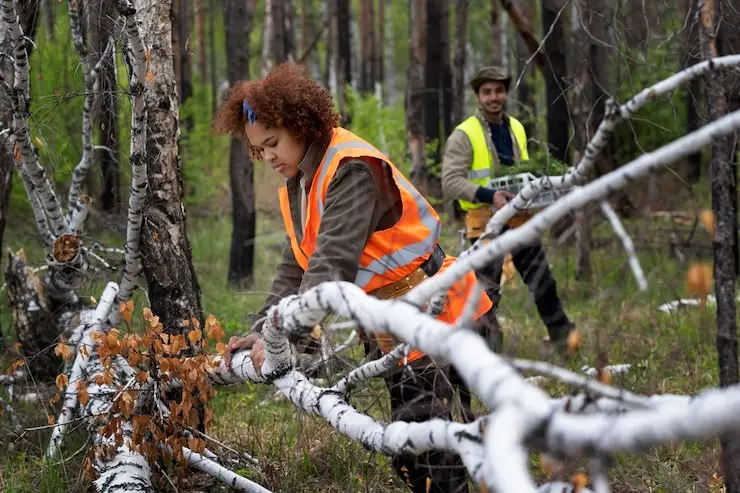
Finding the best way how to dispose of tree branches can feel like a chore, but it is a necessary part of keeping your home safe and beautiful. Whether a storm just rolled through or you have finished your yearly pruning, those piles of wood can’t stay on your lawn forever. They can hide pests, kill your grass, and even become a fire hazard.
In this guide, we will show you every way to clear your yard. We will cover everything from simple yard waste pickup to creative garden hacks like building a habitat pile. By the time you finish reading, you will know exactly how to handle your green waste like a pro.
Why Proper Tree Debris Disposal Matters
Tree branches may seem harmless, but improper disposal causes real problems. Many cities treat tree limbs as biodegradable waste, yet they still require special handling. Tossing branches in regular trash can block equipment, damage trucks, and violate local laws.
Environmental Impact
When branches end up in landfills, they take up space and release methane as they break down. Organic waste recycling programs exist to reduce this damage. Composting and mulch options return nutrients to the soil instead of wasting them. Proper landscape waste management keeps ecosystems healthier and reduces landfill strain.
Legal and Safety Concerns
Most municipal yard waste programs have strict rules. Ignoring branch bundling guidelines or dumping limbs illegally can lead to fines. Loose piles also attract pests and create tripping hazards. Sharp limbs can injure people and pets if left unattended.
Main Disposal Methods
If you are wondering how to get rid of tree branches, the best method depends on branch size, local rules, and your budget. Below are the most reliable options.
Yard Waste Pickup and Curbside Pickup
Many cities offer yard waste pickup or curbside pickup on set days. This is often the cheapest option for small to medium piles.
What to know:
- Branches usually must be cut to a specific length
- Bundles must be tied with natural twine
- Weight limits often apply
Check your city website for branch removal rules before setting anything out.
Green Waste Facility or Drop-Off Centers
A green waste facility or drop-off site accepts tree limbs, leaves, and yard debris removal materials. These facilities turn waste into compost or mulch.
Best for:
- Large clean up tree branches
- Homeowners with trucks or trailers
- Eco-friendly disposal goals
This is a strong choice if you are searching “where can I dump tree branches” or “where to take tree limbs.”
Mulch the Branches
If you have access to a wood chipper, you can mulch the branches yourself. Mulch helps retain soil moisture, control weeds, and improve soil health.
Benefits:
- Free landscaping material
- Reduces disposal trips
- Supports tree limb composting
Many homeowners rent chipping services for one day rather than buying equipment.
Wood Chipper or Chipping Services
Professional chipping services handle large volumes fast. They are ideal after storms or tree removal jobs.
This option saves time and reduces injury risk. The chipped material can often be reused or hauled away.
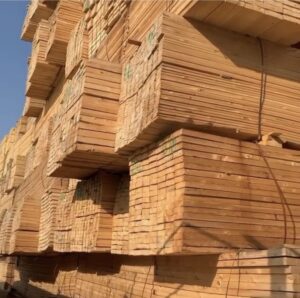
Firewood or Usable Wood
Some tree branches, especially hardwood, can be cut into firewood. If you do not burn wood yourself, local groups or neighbors may accept usable wood.
Always dry the wood properly and avoid treated or diseased branches.
Burn Tree Branches (Where Allowed)
In rural areas, some homeowners choose to burn tree branches. This is only legal in certain locations and seasons.
Important:
- Check local burn permits
- Never burn wet or green wood
- Follow fire safety rules strictly
Burning is not considered eco-friendly and is banned in many areas.
Dumpster Rental
For major cleanups, a dumpster rental provides convenience. This works well for large properties or storm damage.
Pros:
- Handles high volume
- One-time solution
Cons:
- Higher cost
- Space required for placement
Read More About: How Much Does Dumpster Rental Cost?
Tree Service or Junk Removal
A professional tree service or junk removal company handles everything from cutting to hauling. Companies like Junk Masterz specialize in safe and compliant branch waste removal.
How to Safely Prepare Tree Branches for Removal
No matter which disposal method you choose, preparation is key. Poor handling leads to injuries and rejected pickups.
Step 1: Cut Branches to Size
Most programs require branches to be cut between 3 and 6 feet long. Thick limbs may need splitting.
Step 2: Follow Branch Bundling Guidelines
Use natural twine or jute rope. Avoid plastic ties. Bundles should be light enough to lift safely.
Step 3: Wear Safety Gear
Gloves, eye protection, and closed-toe shoes reduce injury risk. Never drag branches across driveways where they can damage surfaces.
Step 4: Separate Debris Types
Keep branches separate from leaves, grass, and soil. Mixed waste often gets rejected by municipal yard waste programs.
Creative Ways to Dispose of Tree Branches
Not every branch needs to be hauled away. Many creative options reduce waste and add value.
- Habitat Pile for Wildlife: A habitat pile supports birds, insects, and small animals. Stack branches in a quiet corner of your yard away from buildings.
- Garden Borders and Paths:Smaller branches can edge garden beds or paths. As they break down, they enrich the soil.
- Composting Smaller Limbs: Thin branches can be shredded and added to compost piles. This supports organic waste recycling and improves compost balance.
- Community Sharing: Some artists, gardeners, and schools accept branches for projects. Sharing helps reduce landfill use and supports reuse culture.
Cost Comparison Table: 2026 Price Estimates
Choosing the right method often comes down to your budget and your time. Here is how the costs stack up:
| Method | Estimated Cost | Effort Level | Best For |
| Curbside Pickup | Free / Small Monthly Fee | High (Must bundle) | Small prunings |
| DIY Wood Chipper Rental | $75 – $150 per day | High | Creating garden mulch |
| Green Waste Drop-Off | $20 – $50 per load | Medium | Medium loads with a truck |
| Junk Removal | $100 – $400+ | Low (None) | Large piles, convenience |
| Professional Tree Service | $200 – $2,000+ | Low (None) | Large trees, dangerous limbs |
| Dumpster Rental | $300 – $600 | Medium | Major landscape clearing |
Final Thoughts
Learning how to dispose of tree branches does not have to be confusing. With the right approach, you can protect the environment, follow local rules, and keep your property safe. From yard waste pickup to creative reuse, each option serves a purpose.
If you want fast, reliable help with branch removal, working with a trusted service like Junk Masterz can save time and reduce risk. For homeowners who prefer a hands-off solution, this is often the safest path.
For professional assistance, place your internal link naturally within a call to action such as: Contact Us to schedule a pickup or learn more about your options.
Proper disposal is not just about cleanup. It is about responsibility, safety, and doing things the right way.
FAQs
Can I put yard waste in my garbage can?
In most cities, yard waste cannot go in your regular garbage can. Tree branches, leaves, and grass are usually handled through municipal yard waste programs or yard waste pickup. Putting yard waste in the trash can lead to rejected collection or fines because it is considered biodegradable waste that should be recycled, not landfilled.
Can wood be put in general waste?
No, wood and tree branches are typically not allowed in general household waste. Untreated wood is classified as yard or green waste, while treated or painted wood may require special disposal. Always check local rules before placing wood in the trash.
How to properly dispose of yard waste?
The proper way to dispose of yard waste is to use curbside yard waste pickup, take it to a green waste facility or drop-off center, compost it, or hire a yard debris removal service. Branches should be cut to size and bundled according to local guidelines to ensure acceptance.
How to get rid of sticks and branches?
You can get rid of sticks and branches by bundling them for yard waste pickup, taking them to a green waste drop-off site, chipping them into mulch, or hiring a professional tree service or junk removal company for larger amounts.
What to do with cut down tree branches?
Cut down tree branches can be reused as mulch, composted if small, stacked into a habitat pile, dropped off at a green waste facility, or removed through curbside pickup or professional branch removal services.
Can tree branches go in a dumpster?
Yes, tree branches can go in a dumpster, but only if the rental company allows yard waste. Some dumpsters restrict organic or green waste, so it’s important to confirm rules before loading branches to avoid extra fees.
How much does it cost to dispose of tree branches?
The cost to dispose of tree branches depends on the method:
- Yard waste pickup: often free or low cost
- Green waste drop-off: low fee or free
- Wood chipper rental: moderate cost
- Dumpster rental or professional removal: higher cost
Prices vary by location and volume, but larger loads cost more.
Are branches considered yard waste?
Yes, tree branches are considered yard waste in most municipalities. They fall under organic or green waste categories and must follow specific disposal rules, such as bundling, size limits, or approved drop-off locations.
Can I burn tree branches in my yard?
In many areas, burning tree branches is restricted due to fire hazards. Always check local regulations before considering this method.
How can I recycle tree branches?
You can recycle tree branches by chipping them into mulch, composting, or donating them to community recycling programs.