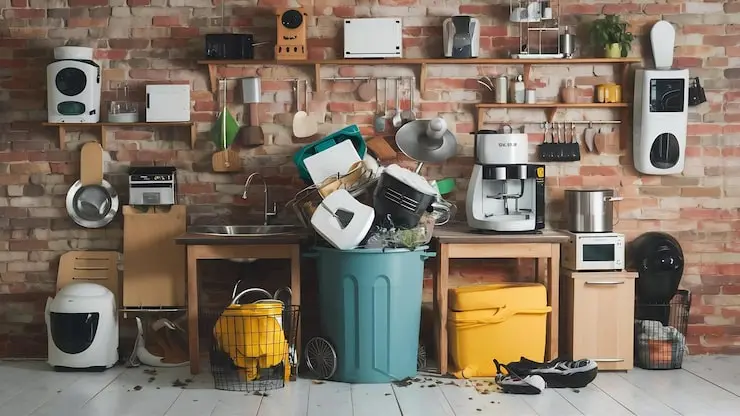
Every kitchen has a graveyard of dead toasters, a blender with a cracked base, and a coffee maker that stopped working sometime last winter. You know you should deal with it, but tossing it in the regular trash feels wrong, and you’re not sure what else to do.
You’re not alone in this. Small appliances are one of the fastest-growing categories of household waste, and most people genuinely don’t know the rules. The good news: figuring out how to dispose of small appliances properly is easier than it looks once you know your options.
This guide walks you through exactly how to dispose of Small Appliances, what to do whether the appliance still works, is broken beyond repair, or contains materials that need special handling. We’ll also cover how to get rid of small kitchen appliances responsibly, so you’re not contributing to the growing e-waste problem.
Understanding Why Appliance Disposal Rules Exist
It might seem like overkill to have rules around tossing a toaster, but there’s a real reason behind it. Small appliances often contain materials like lead, mercury, cadmium, and lithium, all of which can leach into soil and groundwater if buried in a landfill.
Regulations like the WEEE Directive in the European Union and various U.S. state e-waste laws exist specifically to keep these materials out of regular waste streams. Manufacturers are increasingly required to offer take-back programs as part of “extended producer responsibility” laws, which is part of why so many retailers now accept old electronics.
Knowing this context isn’t just trivia; it explains why some appliances need special handling, and others don’t, which makes the rest of this guide much easier to follow
What Counts as Small Appliances?
Small appliances are basically any plug-in gadgets that help you around the house. If it’s electrical, portable, and you can carry it yourself, it probably counts.
Kitchen appliances include:
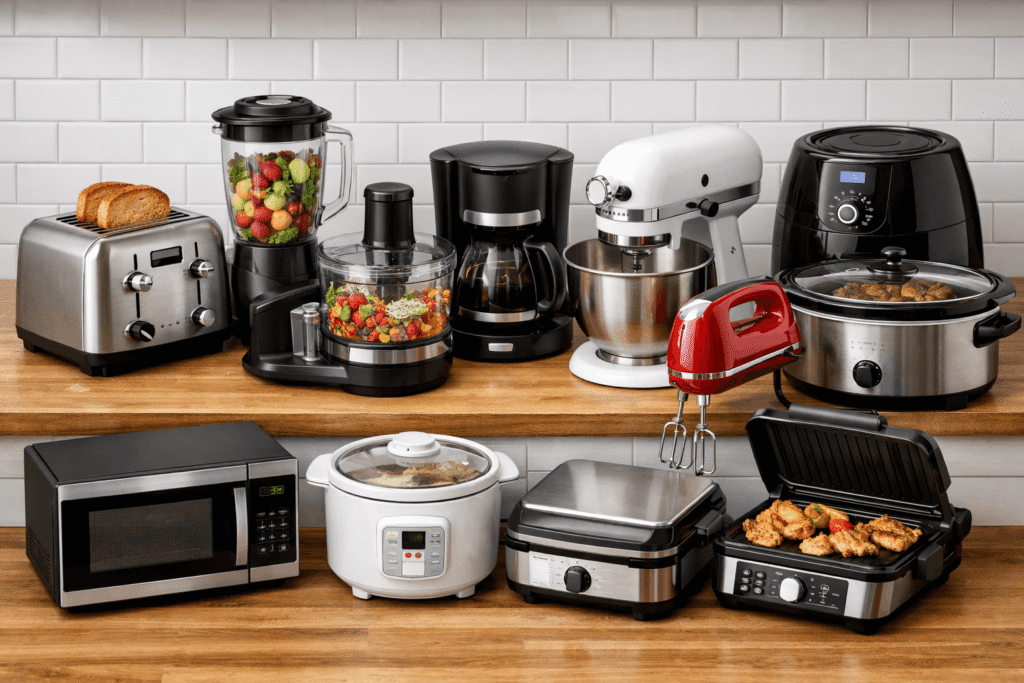
- Toasters and toaster ovens
- Blenders and food processors
- Coffee makers and electric kettles
- Mixers (both hand and stand models)
- Air fryers and slow cookers
- Microwaves (the smaller ones)
- Rice cookers and electric grills
Personal care items like:
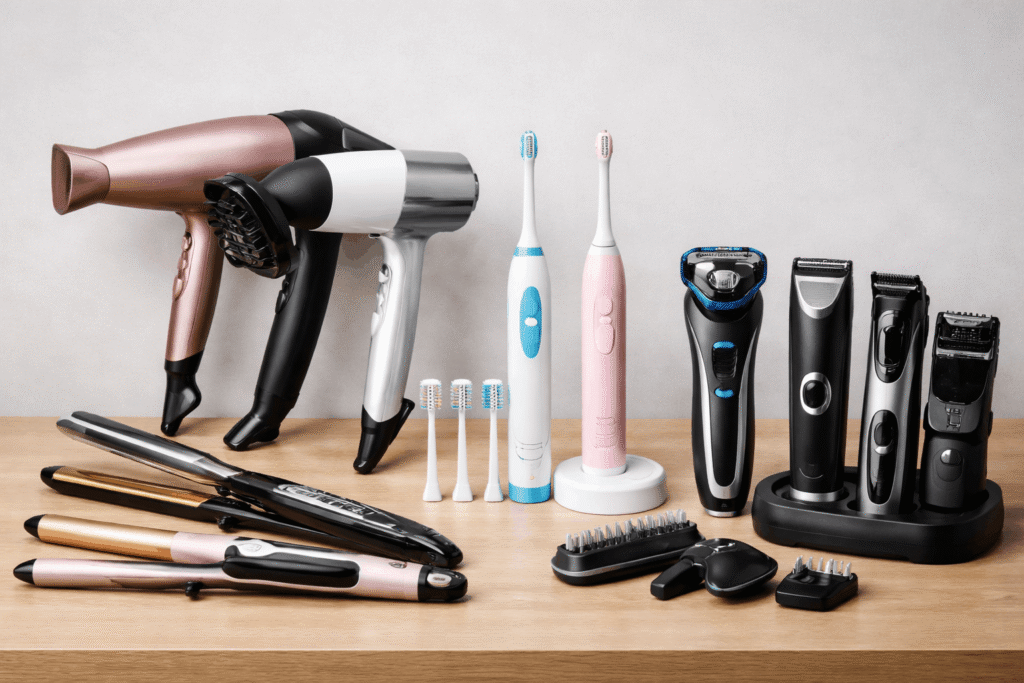
- Hair dryers and straighteners
- Curling irons
- Electric toothbrushes
- Electric razors and trimmers
Around-the-house helpers such as:
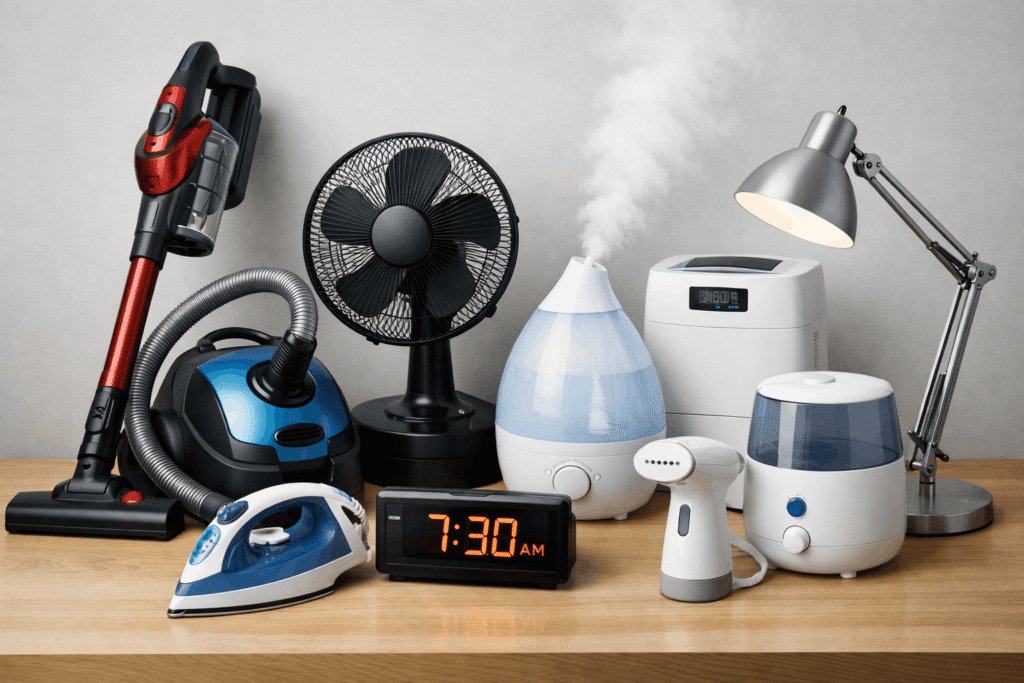
- Vacuum cleaners (especially the smaller ones)
- Space heaters and fans
- Humidifiers and dehumidifiers
- Irons and garment steamers
- Electric alarm clocks
- Desk lamps
Most of these contain recyclable materials like copper, aluminum, and steel. Some also have batteries or small electronic components that need special handling. Knowing what you have helps you figure out where to take it.
How To Dispose Of Small Appliances: Eco-Friendly Ways
If you want to protect the environment, these are the best options:
1. Recycling Centers
Recycling is one of the safest ways to handle old appliances.
You can use tools like Earth911 to find nearby recycling facilities.
Recycling helps recover:
- Metal
- Plastic
- Electronic components
2. Donate Working Appliances
If your appliance still works, consider donating it.
Organizations like Goodwill Industries accept small household items.
This helps:
- Families in need
- Reduce waste
- Extend product life
3. Retailer Recycling Programs
Some stores accept old appliances.
Retailers like Best Buy offer take-back programs for certain items.
Always check what items they accept before visiting.
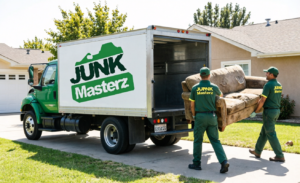
4. Junk Removal Services
If you have multiple items, junk removal services can help.
They:
- Pick up appliances from your home
- Sort items for recycling or disposal
- Save you time and effort
This is the easiest option for busy homeowners. Always hire a certified junk removal company for disposing of appliances.
Can You Put Small Appliances in the Trash?
Short answer: Sometimes, but not always, and it depends on your city’s rules and what’s inside the appliance.
Basic items like an old hand mixer with no battery or refrigerant may be accepted in regular trash in some areas. But many small appliances contain circuit boards, batteries, or coolant that count as electronic waste (e-waste), which is banned from landfills in a growing number of states and countries.
The safest move is to check your city or county’s waste management website before assuming it’s trash-safe. Rules vary a lot by location, and getting it wrong can mean fines in some municipalities.
Where Do You Get Rid of Kitchen Appliances?
This is one of the most common questions people search, and the answer depends on the appliance’s condition:
- Municipal recycling centers — Most accept small electronics, though rules vary by material and size.
- Retailer take-back programs — Best Buy, in particular, has a well-known electronics recycling program that accepts many small appliances for free or a small fee.
- Certified e-waste recyclers — Look for facilities certified R2 or e-Stewards. These certifications mean the recycler follows responsible, environmentally sound practices rather than exporting waste illegally.
- Scrap metal yards — For larger small appliances (think stand mixers or bread machines), scrap yards will sometimes take them for the metal content.
A quick search for “e-waste recycling near me” plus your ZIP code is usually the fastest way to find the closest verified option.
What NOT to Do: Common Disposal Mistakes
A few things to avoid, no matter how tempting the shortcut feels:
| Mistake | Why It’s a Problem |
|---|---|
| Burning an appliance | Releases toxic fumes from plastics and coatings |
| Removing batteries yourself | Lithium batteries can spark or ignite if damaged |
| Assuming curbside recycling takes electronics | Most curbside programs are for paper, glass, and plastic only, not e-waste |
| Dumping in regular trash without checking | May be illegal in your area and harmful to the environment |
When in doubt, a five-minute call to your local waste management office will save you a headache later.
How to Dispose of Small Household Appliances Sustainably
Beyond simply getting rid of an old appliance, it’s important to think about how it’s being disposed of. Electronic waste is one of the fastest-growing waste streams in the world, and many small appliances still end up in landfills instead of being recycled properly.
It’s also important to learn how to get rid of old appliances the right way. Whether you’re replacing a small kitchen appliance or a larger household unit, knowing your disposal options can help reduce waste and keep reusable materials out of landfills. For more tips, check out our guide on how to get rid of old appliances to explore the best recycling, donation, and junk removal options.
Choosing repair over replacement, donating instead of trashing, and using certified recyclers all feed into what’s called a “circular economy” where materials get reused rather than thrown away. It’s a small shift in mindset, but it adds up, especially as more communities start running repair cafes and appliance-sharing programs.
Conclusion
The simple decision tree to remember: if it still works, donate or sell it; if it’s broken, try a repair or use a manufacturer take-back program; and if it’s hazardous or beyond saving, take it to a certified e-waste recycler. It’s easy to treat that dead toaster or cracked blender as a two-second decision: toss it and move on, but small appliances carry real environmental weight, and the disposal method you choose actually matters, since a battery or circuit board in the wrong landfill is a documented source of soil and groundwater contamination, which is exactly why so many regions now regulate it.
The encouraging part is that doing this properly doesn’t take much extra effort, because donation platforms, take-back programs, and certified recyclers now exist specifically to make responsible disposal easy, and most of the work is simply knowing which option applies to your situation, which you now do. So next time you’re staring at that drawer full of half-working gadgets, you won’t have to guess sort them by condition, match each one to the right path from this guide, and take two minutes to confirm your local rules before you act, since it’s a small habit that, multiplied across millions of households, keeps e-waste out of landfills and back into circulation where it belongs
Frequently Asked Questions
Can you put small appliances in the trash?
Sometimes, but many contain batteries, refrigerant, or circuit boards that count as e-waste and are banned from landfills in many areas. Always check your local rules first.
Where do you get rid of kitchen appliances?
Options include municipal recycling centers, retailer take-back programs (like Best Buy), certified e-waste recyclers, and scrap metal yards for larger items.
How do I dispose of a broken microwave?
Never open it yourself — the capacitor inside can hold a charge even unplugged. Take it to a certified e-waste recycler or a retailer take-back program instead.
Do appliance stores take old appliances?
Many do, especially when you buy a replacement. Best Buy and several manufacturers offer take-back or mail-in recycling programs for small appliances.
Is it illegal to throw away electronics?
In some states and countries, yes landfill bans on e-waste are becoming more common. Check your local waste authority to confirm the rules where you live.
What small appliances can be recycled curbside?
Very few. Most curbside programs only accept paper, glass, plastic, and metal — not electronics. Small appliances almost always need a separate drop-off point.