Butane cans are common in many households, on camping trips, and in workplaces. Many people wonder, “How to dispose of butane Cans?” or “Can I just throw it in the trash?” The answer is no for full cans and maybe for empty cans, depending on your local recycling rules. They power portable stoves, lighters, and some small heating equipment. While they are incredibly convenient, they can also be extremely hazardous if not handled or disposed of properly.
Understanding how to dispose of butane fuel cans safely is essential for anyone who uses them. From knowing when a can is truly empty to transporting full cans to a hazardous waste facility, each step plays a role in preventing accidents. Not only does safe disposal protect people, it also supports eco-friendly practices by ensuring the metal cans and remaining fuel are processed responsibly rather than polluting the environment.
This guide will give you step-by-step instructions on how to dispose of empty butane cans, full butane cans, and butane fuel cans, while ensuring safety and environmental responsibility. Both full and empty butane cans are pressurized and flammable, which makes careless disposal risky for you, your family, and the environment.
Understanding Butane Cans and Their Hazards
What is a Butane Can?
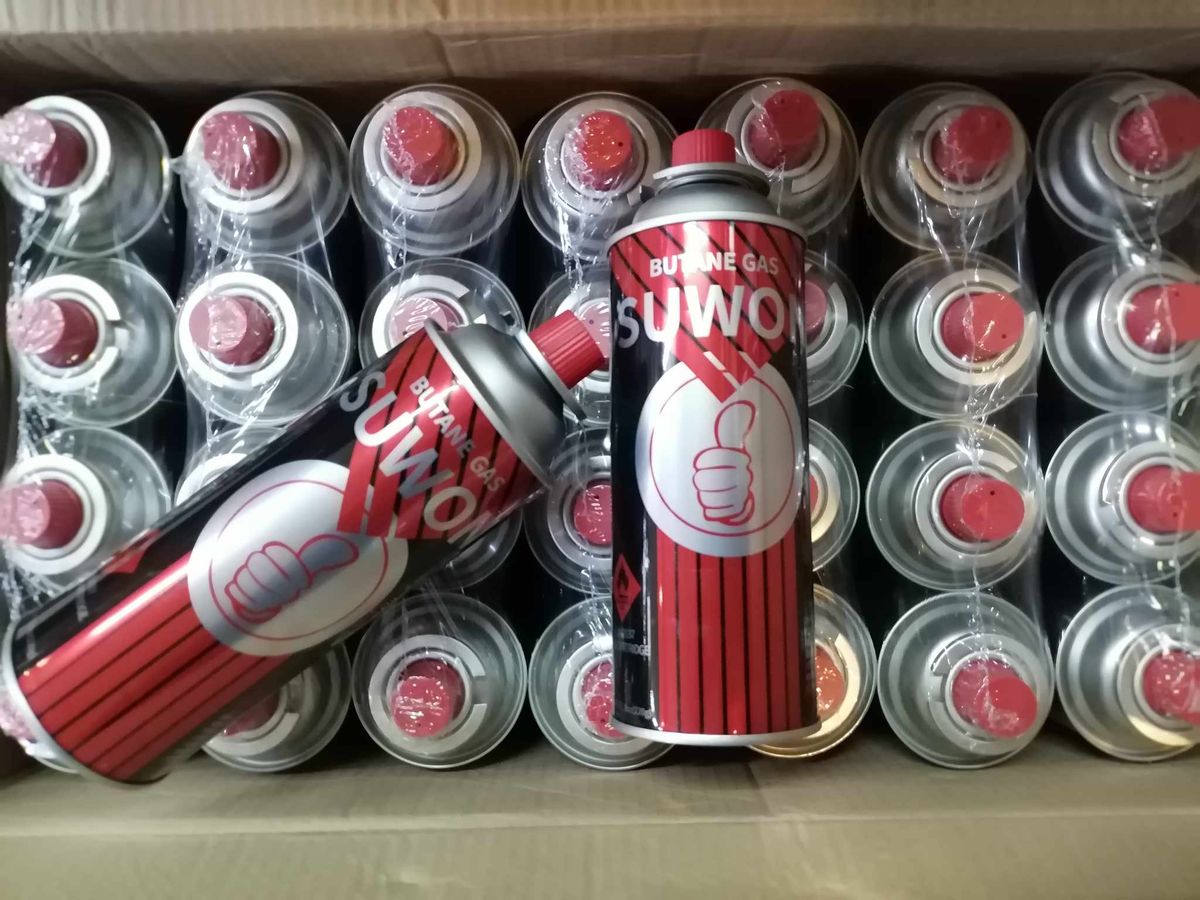
A butane can is a small, pressurized metal cylinder filled with liquefied petroleum gas. These cans are lightweight and portable, which makes them perfect for camping stoves, portable burners, and refilling lighters. They come in two main types:
- Small refill cans – typically used for lighters or mini stoves.
- Larger fuel cans – used for camping burners and other portable heating devices.
Despite their size, the gas inside is highly flammable, and the can is under pressure. Mishandling, puncturing, or exposing the can to heat can cause explosions or fires.
Why Improper Disposal is Dangerous
Throwing a butane can in the trash, especially if it’s full or partially full, can have serious consequences:
- Fire hazard: Even a small spark can ignite the gas.
- Explosion risk: Pressurized cans can rupture if punctured or exposed to heat.
- Environmental harm: Butane contributes to air pollution, and metal waste can pile up in landfills if not recycled.
Tip: Always treat butane cans as hazardous materials until they are completely empty and prepared for proper disposal.
Check Local Regulations Before Disposal
Why Local Rules Matter
Disposal of butane cans is not universal. Every city, county, or state has specific guidelines for hazardous waste. Some cities allow empty cans in recycling, while others require them to go to a hazardous waste facility. Ignoring local rules can result in fines, unsafe disposal, or environmental damage.
How to Find Your Local Disposal Options
- Visit your city’s official waste management or environmental services website.
- Look for “household hazardous waste collection” or “hazardous materials disposal.”
- Check EPA guidelines for hazardous waste handling: EPA Household Hazardous Waste Guide.
- Call your local recycling or waste facility for specific instructions on how to dispose of butane fuel cans.
Taking the time to check regulations ensures safe handling of both full and empty butane cans.
How to Dispose of Butane Cans?
Empty butane cans are easier to handle than full ones, but you still need to follow the right steps. Here’s a detailed process:
Step 1: Ensure the Can is Completely Empty
Even if the can feels light, it may contain residual gas. To safely empty the can:
- Release leftover gas outdoors, away from any flames, sparks, or electrical appliances.
- Shake the can to detect remaining liquid or gas.
- Never attempt to empty the can indoors.
Step 2: Prepare the Can for Recycling or Disposal
- Check if your local recycling program accepts empty butane cans.
- Some areas allow you to label the can as “empty butane” before recycling.
- Avoid puncturing the can unless specifically instructed by local regulations.
Step 3: Recycling vs. Trash
- Recycling: Many scrap metal facilities accept empty butane cans, which keeps metal out of landfills.
- Trash: Only permitted if local authorities confirm empty cans are safe to dispose of with regular waste.
Following these steps ensures safe management of how to dispose of empty butane cans while reducing environmental impact.
Safely Disposing of Full Butane Cans
Full butane cans are highly flammable and require extra caution. They should never be thrown in regular trash.
Step 1: Never Throw Full Cans in Regular Trash
Full cans are pressurized. Throwing them in garbage trucks, landfills, or near heat sources can result in fires or explosions.
Step 2: Hazardous Waste Collection
- Locate your local household hazardous waste facility or event.
- Transport full cans in a cool, upright position.
- Do not puncture, shake, or drop the cans. While disposing of propane tanks, it’s also important to know how to dispose of butane cans safely to prevent fire hazards and environmental damage.
Step 3: Alternative Options
- Some suppliers allow returns or exchanges for unused cans.
- Specialized scrap metal or hazardous waste recycling centers may accept full butane cans.
Understanding how to dispose of full butane cans is essential for home safety and environmental protection.
Eco-Friendly Disposal and Recycling
Recycling butane cans is not just safe—it’s environmentally responsible.
- Metal recycling: Empty cans can be melted down and repurposed, reducing waste.
- Hazardous waste programs: Facilities are designed to safely manage residual chemicals.
- Scrap collectors: Local scrap yards often accept empty butane cans for metal recycling.
By recycling, you prevent hazardous chemicals from entering the soil or air and help reduce landfill waste. Knowing how to dispose of butane fuel cans responsibly contributes to a cleaner planet.
Safety Tips and Precautions
-
Safety Tips for Handling and Disposing of Butane Cans
- Store cans safely: Keep butane cans in a cool, ventilated area away from sunlight and heat sources.
- Avoid indoor puncturing: Never puncture, burn, or tamper with cans indoors, as this can cause explosions or fire.
- Use protective gear: Wear gloves and eye protection when handling old, damaged, or leaking cans to prevent injuries.
- Keep out of reach: Ensure children, pets, and unauthorized persons cannot access butane cans.
- Hire a professional service: For full or damaged butane cans, consider hiring a well-reputed junk removal or hazardous waste company. Professionals have the expertise, tools, and permits to dispose of butane safely, minimizing risks to your home and environment.
Following these precautions, and using professional disposal services when needed, ensures safe handling and disposal of butane cans, reduces accidents, and protects your household and the environment.
Common Mistakes to Avoid
- Throwing full butane cans in household trash.
- Attempting DIY puncturing indoors.
- Mixing butane cans with regular recycling without checking the rules.
- Ignoring local hazardous waste collection programs.
Real-life accidents often happen due to one small oversight. Safety first!
Conclusion
Knowing how to dispose of butane Cans? can properly is essential for avoiding accidents and protecting the planet.”Disposing of butane cans safely is crucial for home safety, environmental protection, and regulatory compliance. By following this guide, you now know how to
- Safely empty and recycle empty butane cans.
- Properly handle and dispose of full butane cans.
- Follow local rules and hazardous waste programs.
- Avoid common mistakes that can lead to accidents or fines.
Proper disposal doesn’t just prevent fire hazards—it also helps protect the planet. Encourage friends, family, and neighbors to follow these steps and make responsible disposal a habit.Following local regulations and using designated hazardous waste collection programs is the safest way to manage butane disposal.
Recycling metal from empty cans not only reduces landfill waste but also contributes to a sustainable cycle, turning potentially dangerous waste into reusable resources. Additionally, taking a few extra precautions—such as storing cans upright in a cool, ventilated area, using gloves when handling older or damaged cans, and never puncturing cans indoors—can prevent accidents before they happen. For those who prefer professional help, hiring well-reputed junk removal or hazardous waste disposal companies, such as Junk Masterz, , or local certified waste management services, ensures that both full and empty butane cans are handled safely, legally, and efficiently. These companies have the proper equipment, training, and permits to dispose of hazardous materials without risk to your home or the environment.
FAQS
1. Can I throw empty butane cans in the regular trash?
Only if local regulations allow. Otherwise, recycling or hazardous waste collection is recommended.2. How do I know if my butane can is empty?
Shake the can gently and listen for liquid inside. Release any remaining gas outdoors in a well-ventilated area.3. Are there recycling centers that accept full butane cans?
Yes, many hazardous waste facilities or scrap metal recyclers accept full cans. Transport carefully and follow facility guidelines.4. Is it safe to puncture a butane can at home?
No. Puncturing a pressurized butane can is extremely dangerous unless permitted by local authorities.5. Can I return unused butane cans to the store?
Some stores and suppliers accept returns or exchanges. Always confirm with the retailer before attempting a return.