So, your backyard hot tub has outlived its glory days, and you’re staring at it thinking, “Now what?” Knowing how to dispose of a hot tub properly can save you a lot of hassle. These units are heavy, awkward, and made from a mix of plastics, metal, and foam materials that aren’t just “trash.” Mishandling them can lead to injuries, fines, or environmental headaches.
In this guide, we’ll show you exactly how to get rid of a hot tub, whether you want to tackle it yourself, donate, recycle, or hire a professional. By the time you finish reading, you’ll have a clear, safe, and realistic plan to remove your old spa without stress or surprises. Think of it as your step-by-step roadmap to reclaiming your yard and disposing of your hot tub the right way.
Why Hot Tub Disposal Is Challenging
Hot tubs aren’t like old chairs you can toss onto the curb. Most of these units weigh hundreds of pounds and are full of complicated materials. Manufacturers build them with acrylic shells, metal frames, foam insulation and electrical components. That mix makes them awkward to lift and tricky to break down for disposal. Simply dumping an old unit at the landfill may not be allowed in your area, and leaving leftover water with chemicals like chlorine or bromine running into the soil can create real environmental problems.
Most municipal garbage services don’t accept bulky items like hot tubs on regular pickup days. Some areas even require that water flushed from pools or spas drain only to specific sewer lines, not to storm drains or natural water sources.
That’s why many homeowners who ask how to dispose of an old hot tub find themselves juggling rules, safety steps, and a lot of heavy pieces.
How to Get Ready for a Hassle-Free Hot Tub Removal

Preparing before your hot tub is removed makes the process smoother, safer, and faster. Whether you plan a DIY approach or are waiting for a professional team, taking a few careful steps upfront saves time, reduces risk, and prevents unexpected costs. Here’s a complete checklist to get ready for hassle-free hot tub removal.
Clear the Surrounding Area
Hot tubs are bulky and heavy. Remove all obstacles around the unit, including furniture, planters, decorative rocks, or garden features. Clearing a path of at least four feet ensures easy access for lifting equipment or moving the tub. Protect delicate surfaces with boards or blankets to prevent scratches or damage during the removal process.
Turn Off Power and Water
Electricity and water make hot tubs dangerous if handled carelessly. Switch off the dedicated breaker and unplug the hot tub if possible. Also, turn off any connected water lines. If your hot tub is hardwired, having a licensed electrician inspect the wiring ensures safety during removal. This is especially important for older tubs with unknown electrical modifications.
Drain the Water Completely
A full tub can weigh hundreds of pounds more than an empty one. Use the tub’s drainage valve or a submersible pump to remove all water. Make sure the water drains into a proper sewer line or approved area—never into storm drains or natural waterways. Residual chemicals like chlorine or bromine can contaminate soil and water if discharged improperly.
Check Local Permits and Disposal Rules
Many cities and municipalities require permits or scheduled bulky waste pickups for hot tub disposal. Check your local ordinances to confirm whether you need a permit or must use specific disposal facilities. Compliance avoids fines and ensures your hot tub ends up in a responsible, environmentally-friendly way.
Communicate Special Access or Equipment Needs
If your hot tub is in a tight corner, on a slope, or behind landscaping obstacles, let your removal team know in advance. They may need ramps, dollies, or additional personnel to safely handle the tub. Providing these details reduces delays, prevents damage, and keeps the removal process smooth.
Additional tip: Taking photos of the tub and surroundings for your team can help them plan equipment and manpower needs ahead of time.
Optional: DIY Prep Tips
Even if hiring a team, doing small prep work like detaching removable panels, clearing debris, or organizing helpers can reduce labor time. These steps ensure a safer and quicker hot tub removal while giving you a chance to handle any unexpected obstacles before the team arrives.
Hot Tub Disposal Methods
There isn’t one single answer to how to get rid of a hot tub. The right choice depends on the tub’s condition, your budget, and how much effort you want to invest.
Sell or Give It Away
If the hot tub still works or only needs minor repairs, selling it can offset removal costs. Functional units can fetch a fair price on local classifieds sites, and willing buyers might handle removal themselves.
Another idea is to offer it for free. Some people are happy to pick up a tub if they think they can fix or reuse it. Make sure they actually move it and don’t just leave it in your yard longer.
Donate
Some community groups or hobbyists accept hot tubs that are still operable. Donation centers might even offer pick-up services for large items. Always check first with the organization about condition and transport requirements.
Professional Removal Service
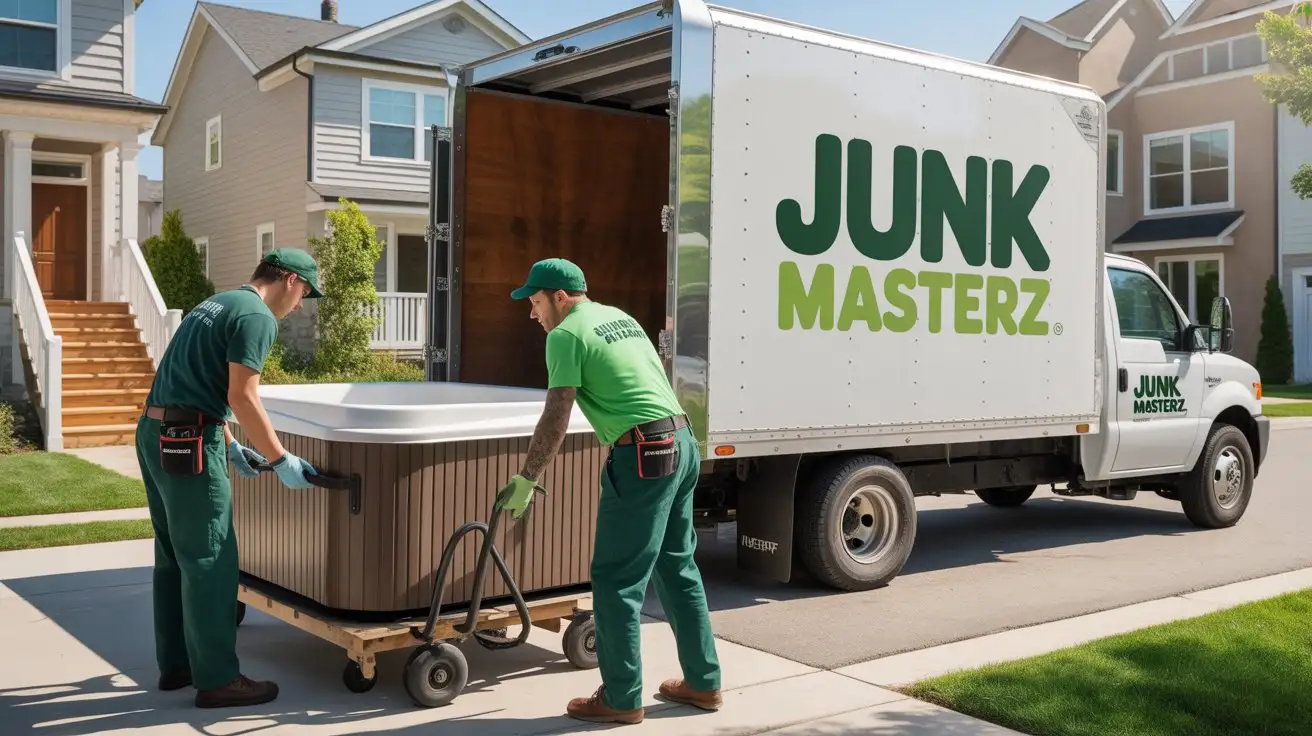
Paying for a removal crew is the easiest way to get rid of hot tub without handling the heavy work yourself. Professionals take care of disconnecting power, cutting apart the unit if needed, hauling it out, and disposing of materials in compliance with local regulations.
Typical costs range widely depending on where you live and how hard the job is, but most homeowners spend somewhere between $300 and $800 for full removal and disposal.
Also Read: How Much Does It Cost to Remove a Hot Tub
Recycling
Hot tubs contain materials that recycling facilities will accept, such as metal frames and some plastics. Recycling keeps those materials out of landfills. It can take a bit of planning because different parts may need to go to different facilities.
DIY Removal and Disposal
If cost matters most, you can tackle removal yourself. This approach involves draining the spa, disconnecting utilities, cutting it into sections, and hauling the pieces to a disposal site or recycling center. This takes more time and effort but saves on professional fees.
Step-by-Step DIY Removal Guide
If you choose to take on the project yourself, here’s a basic sequence to follow:
- Power Off: Shut off the electrical breaker for the spa. Confirm no wires are live.
- Drain Water Safely: Use a pump or drain valve. Route the water to a sanitary sewer or acceptable discharge location.
- Disconnect Plumbing: Remove pipes and caps. Label them if you plan to reuse or sell parts.
- Remove Panels and Accessories: Take off railings, panels, pumps, controls and jets. These pieces can be recycled or sold.
- Cut the Shell: With helpers and a reciprocating saw, cut the tub shell into sections that fit in your vehicle.
- Transport and Drop Off: Take pieces to a transfer station, recycling depot or landfill that accepts bulky items.
Taking it apart this way gives you flexibility, but be careful about sharp edges and heavy lifting. Fiberglass dust can irritate lungs, so protective gear is smart.
Common Mistakes and Practical Tips
Even experienced DIYers make errors. Knowing what to avoid saves time and pain.
- Not Draining Fully: A tub full of water is dramatically heavier and harder to move.
- Skipping Electrical Safety: Always cut power first. Live wiring still attached to a heavy tub becomes a hazard.
- Ignoring Local Rules: Some cities require appointments or permits for bulky waste pickup. Leaving a hot tub on the curb without permission can lead to fines.
- Cutting Without Support: Cutting large sections without help can result in injury or damaged property.
A clear plan with helpers and tools will make every step smoother.
Recycling and Environmental Impact
Old hot tubs aren’t just bulky leftovers. They contain materials that can harm the environment if dumped incorrectly. Acrylic shell pieces and insulation take a long time to break down in landfills, and chemicals like chlorine or bromine can contaminate soil and water supplies.
Recycling hot tub parts reduces the need for raw materials, limits landfill use, and keeps harmful substances out of the ecosystem. Plastics, metals and some foams go to repurposing facilities, while unusable parts go to certified disposal sites. Choosing a responsible route for how to remove a hot tub helps protect both your yard and the planet.
Conclusion
Properly handling how to dispose of a hot tub doesn’t have to be stressful or confusing. From safety tips and legal considerations to DIY removal, recycling, or hiring professionals, there are several ways to get the job done efficiently. This guide covered why disposal is necessary, the safest methods, step-by-step DIY instructions, and local regulations so you can make the best choice for your situation.
At Junk Masterz, we help homeowners safely and responsibly get rid of hot tubs and other bulky items. If you’d rather skip the heavy lifting or want expert advice, our team is ready to assist. Contact us today to schedule a hassle-free removal and reclaim your space without worry.
FAQs
How do I dispose of an old hot tub safely?
To dispose of an old hot tub, first turn off its power at the breaker and drain all water according to local rules. Then choose a method: sell or donate a working unit, hire a junk removal service, take parts to recycling centers, or cut it into pieces for landfill drop‑off. Each option has its own steps and requirements.
Can I just leave my hot tub on the curb for trash pickup?
In most places, standard trash pickup will not take a hot tub. Municipal services usually require scheduling a bulk item pickup or require you to bring the tub to a transfer station. Calling your local waste management office before disposal avoids fines.
What is the cost to get rid of a hot tub?
The cost to remove a hot tub varies by method and area. Hiring a professional often ranges from about $300 to $800, while DIY disposal and dumpster rental may be cheaper but involve more effort and possible fees.
Can a hot tub be recycled?
Yes. Many parts of a hot tub can be recycled, including metal frames, plumbing, and in some cases certain plastics. You will likely need to disassemble the unit and take components to the appropriate recycling facilities.
What should I do before hot tub removal?
Before removal, shut off power, drain all water safely, disconnect plumbing and wiring, and clear a path to move the tub or its parts. These steps help protect you and prevent damage to property during disposal.
Can I sell or give away my used hot tub?
Yes. If the hot tub still functions or has salvageable parts, selling it online or offering it for free with pickup can save disposal cost and effort. Ensure the new owner handles its removal if they accept it.
Do I need a permit to dispose of a hot tub?
Some areas require permits for large item disposal or landfill drop‑off. Check with your local waste authority first, as rules vary by region and ignoring them can lead to penalties.