Many homeowners rarely think about their attic until it becomes overcrowded with old boxes, forgotten decorations, broken furniture, and layers of dust. Over time, attics can turn into storage spaces filled with clutter, allergens, and even pests. Learning how to clean attic not only improves your home’s cleanliness but also protects indoor air quality and prevents long-term damage.
Cleaning an attic may seem overwhelming at first. However, with the right planning, tools, and safety precautions, the process becomes much easier. Whether you are cleaning out the attic for storage, renovation, or seasonal organization, following a structured approach can help you finish the job efficiently.
In this guide, you’ll learn step-by-step attic cleaning methods, safety tips, attic dust removal techniques, and smart ways to dispose of unwanted items. If the clutter becomes too much to handle, professional residential junk removal services can help remove heavy or unwanted materials quickly and responsibly.
Why Cleaning Your Attic Is Important
Many homeowners overlook the attic because it is rarely used. However, a cluttered attic can negatively affect the health and safety of your home.
Improves indoor air quality
Dust, insulation particles, and allergens often accumulate in attic spaces. When air circulates through vents, these particles can spread throughout the house. According to Indoor Air Quality Guidelines by the EPA, poor air quality can contribute to allergies and respiratory irritation.
Prevents pest infestations
Rodents, insects, and birds frequently nest in cluttered attics. Removing debris eliminates hiding spots and reduces pest problems. The CDC Home Pest Prevention Guide explains that cluttered storage areas often attract rodents and insects.
Creates usable storage space
A well-organized attic can become a practical storage area for seasonal items, decorations, and household supplies.
Protects your home structure
Moisture buildup and neglected insulation can lead to mold and wood damage. The “Energy.gov Attic Maintenance Guide” (External Link) recommends regular attic inspection to maintain proper insulation and ventilation.
Safety Tips Before Cleaning Out the Attic
Before beginning your attic clean out, safety preparation is essential. Attics can contain dust, sharp objects, and uneven flooring.
Wear protective gear
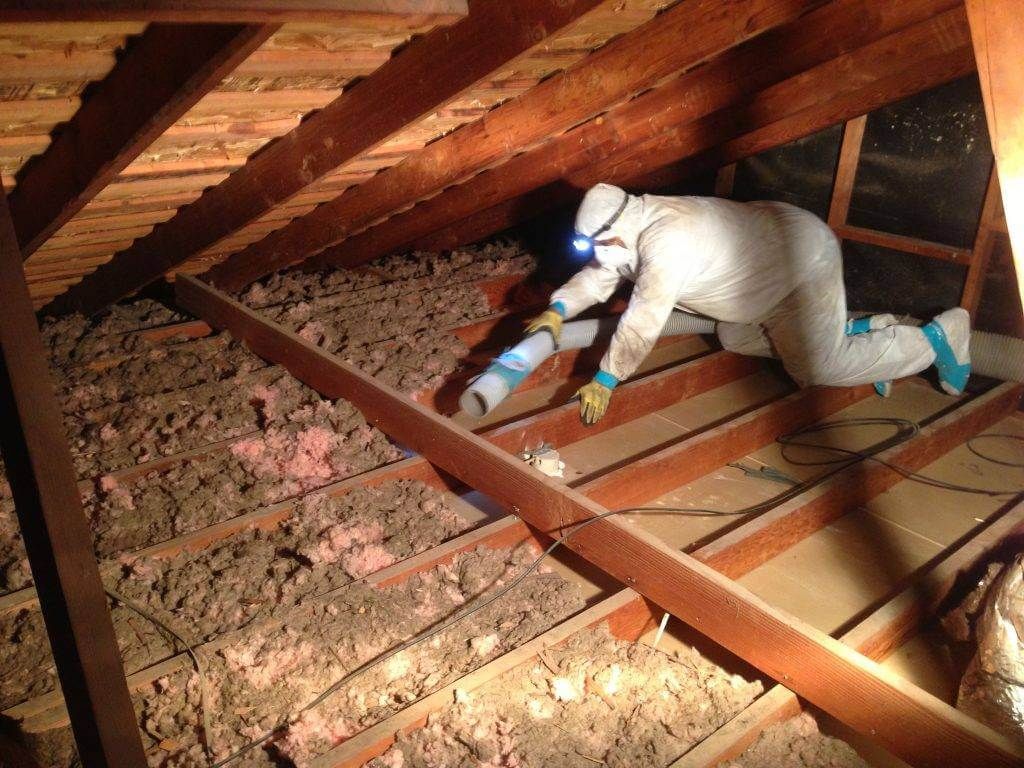
Use gloves, long sleeves, eye protection, and a mask to protect yourself from insulation particles and debris. Safety organizations like recommend protective equipment when working in dusty environments.
Ensure proper lighting
Most attics have limited lighting. Portable LED lights or headlamps help improve visibility and prevent accidents.
Check attic flooring
Only step on secure joists or floor boards. Unsupported drywall can collapse under weight.
Watch for pests
Look for nests, droppings, or chewed materials before starting your cleaning process.
Work during cooler hours
Attics can reach extremely high temperatures. Cleaning during morning hours reduces the risk of heat exhaustion.
How to Clean Attic (Step by Step)
Cleaning an attic becomes manageable when broken down into simple steps.
Step 1: Remove Everything From the Attic
Begin by removing all boxes, furniture, and stored items from the attic. Taking everything out allows you to see the entire space clearly and makes cleaning out the attic much easier. It also helps you identify items you truly need versus things that have simply been sitting in storage for years.
Once the attic is empty, sort the items into three simple categories:
Keep
Place items you still use or want to store safely in this category. These may include seasonal decorations, important documents, family keepsakes, or equipment you use occasionally. Store them in labeled containers so they remain organized when you place them back in the attic.
Donate
If items are still in good condition but you no longer need them, consider donating them. Clothing, small furniture, household goods, and decorations can often be donated to local charities, thrift stores, or community organizations. Donating helps reduce waste while allowing others to benefit from usable items.
Dispose
Items that are broken, outdated, damaged, or no longer usable should go into the disposal pile. This may include damaged boxes, old furniture, or unusable household items. Removing these items is an important part of attic clean-out projects, and larger debris can be handled.
Step 2: Declutter and Organize Items
Carefully evaluate each item before returning it to the attic.
Ask yourself:
-
Do I still need this item?
-
Have I used it in the past year?
-
Is it damaged or outdated?
Large or broken items may require professional help. In these situations, scheduling residential junk removal services can help safely remove bulky debris and unwanted materials.
Decluttering is one of the most important steps in any storage unit cleanout.
Step 3: Perform Thorough Attic Dust Removal
Once the attic is empty, begin the attic dust removal process.
Dust commonly collects on:
-
Rafters and Beams – The wooden or metal supports that form the framework of the attic and hold up the roof.
Insulation – Material placed between walls, floors, or roof to keep the house warm in winter and cool in summer.
Floorboards – The wooden or plywood panels that make up the attic floor, providing a surface to walk on and store items.
Stored Items – Boxes, furniture, decorations, or other belongings kept in the attic for storage.
Ventilation Openings – Vents or openings that allow air to circulate in the attic, preventing moisture buildup and maintaining proper airflow.
Effective dust removal techniques
Use a HEPA vacuum
A vacuum with a HEPA filter captures fine particles and prevents dust from circulating in the air. The American Lung Association Guide to HEPA Filtration recommends HEPA filters for removing airborne allergens.
Use microfiber cloths
Microfiber cloths trap dust particles more effectively than traditional cleaning cloths.
Clean ventilation areas
Dust buildup near vents can reduce airflow and ventilation efficiency.
Step 4: Inspect for Damage or Moisture
After cleaning, carefully inspect the attic for structural problems.
Look for:
-
Roof Leaks – Water entering the attic through cracks, missing shingles, or damaged roofing, which can cause structural damage.
Mold Growth – Fungal growth on wood, insulation, or other surfaces due to moisture, which can affect air quality and health.
Damaged Insulation – Insulation that is wet, compressed, or deteriorated, reducing its effectiveness in regulating temperature.
Pest Activity – Signs of rodents, insects, or birds living in the attic, such as droppings, nests, or chewed materials.
Exposed Wiring – Electrical wires that are visible, frayed, or improperly installed, posing a fire or shock hazard.
According to the U.S. Department of Energy Attic Inspection Guide, attic inspections help detect ventilation or insulation issues early.
Step 5: Deep Clean Floors and Surfaces
Once inspection is complete, perform a deep cleaning of attic surfaces.
Recommended process:
-
Sweep loose debris
-
Vacuum remaining dust
-
Wipe surfaces with disinfectant
-
Allow proper ventilation while drying
This ensures the attic remains clean and ready for storage.
Smart Storage Tips After Cleaning Your Attic
After completing the attic cleanout, organizing the space helps maintain cleanliness long-term.
Use clear storage containers
Transparent bins allow you to easily see stored items.
Label every container
Clear labeling helps you quickly find seasonal decorations or stored equipment.
Group seasonal items
Holiday decorations, winter clothing, and seasonal tools should be grouped together.
Maintain walking paths
Keeping clear pathways makes future cleaning attic projects easier and safer.
Common Mistakes to Avoid When Cleaning Attics
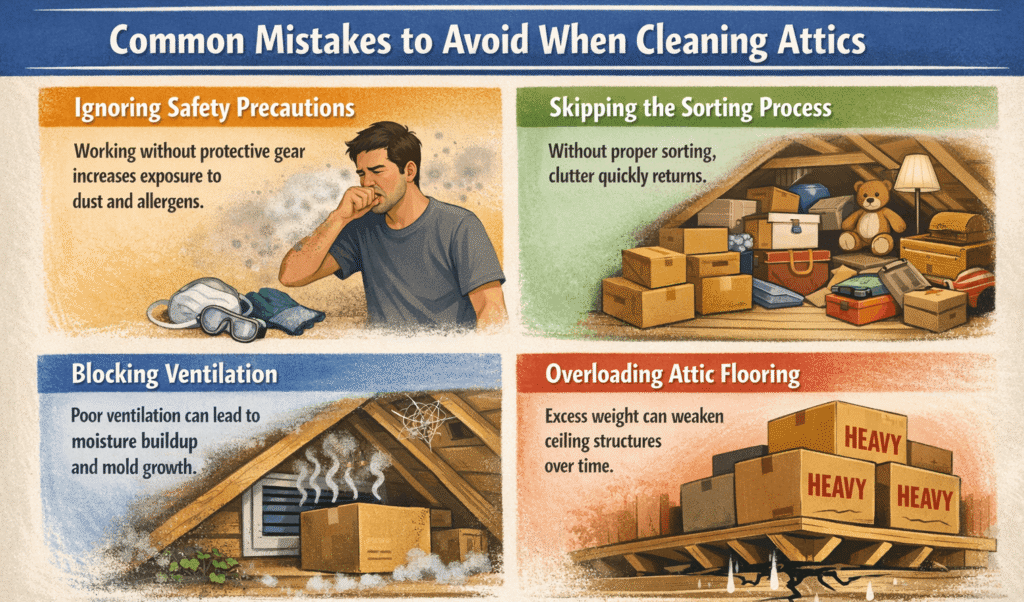
Avoid these common mistakes during your attic cleanout:
Ignoring safety precautions
Working without protective gear increases exposure to dust and allergens.
Skipping the sorting process
Without proper sorting, clutter quickly returns.
Blocking ventilation
Poor ventilation can lead to moisture buildup and mold growth.
Overloading attic flooring
Excess weight can weaken ceiling structures over time.
Quick Attic Cleaning Checklist
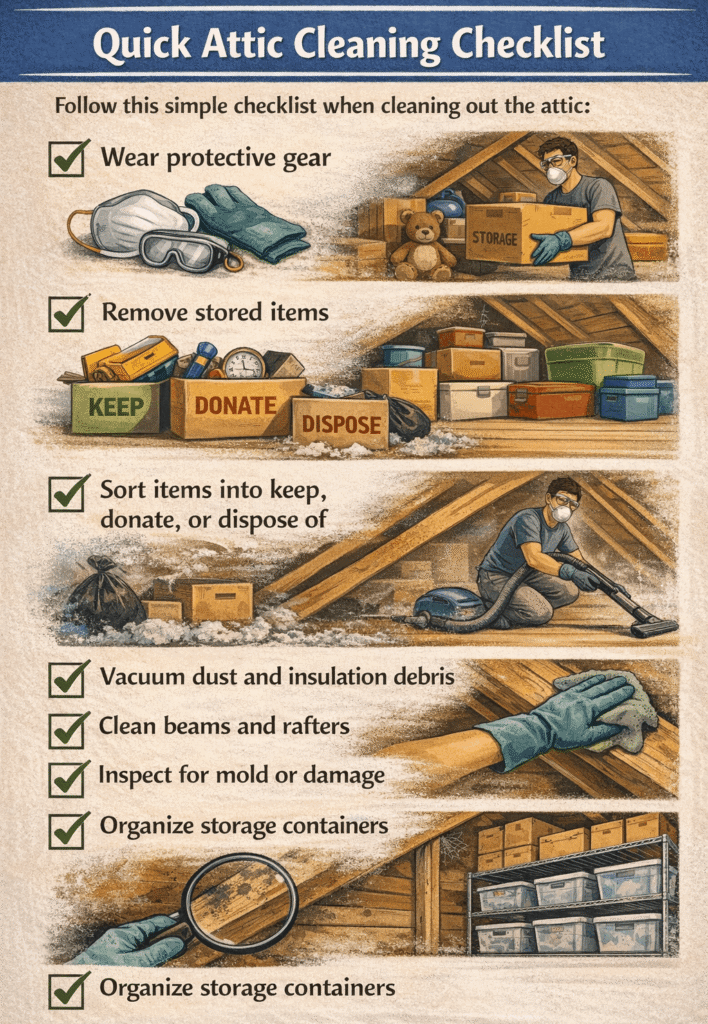
Follow this simple checklist when cleaning out the attic:
-
Wear protective gear
-
Remove stored items
-
Sort items into keep, donate, or dispose of
-
Vacuum dust and insulation debris
-
Clean beams and rafters
-
Inspect for mold or damage
-
Organize storage containers
When to Consider Professional Attic Clean Out Services
Some attic cleaning projects can be challenging, especially when dealing with heavy debris, old furniture, or large volumes of clutter.
Professional Affordable junk removal services can help when:
-
The attic contains bulky items
-
Debris is difficult to remove
-
Hazardous materials are present
-
You need a fast cleanup before renovation
Professional removal services also ensure materials are disposed of responsibly through recycling and waste management systems.
Conclusion
Cleaning your attic is an essential part of maintaining a healthy and organized home and How to clean attic Over time, clutter, dust, and unused items accumulate in attic spaces, leading to poor air quality and potential structural issues.
By following a structured process—decluttering, performing attic dust removal, inspecting for damage, and organizing storage—you can transform your attic into a clean and functional space.
If the job becomes too overwhelming or involves large debris, professional junk removal services comapanies provide a convenient and efficient solution.
Regular cleaning attic maintenance not only improves your home’s cleanliness but also protects your property, improves air quality, and creates valuable storage space.
Frequently Asked Questions
How often should you clean your attic?
Experts recommend cleaning the attic every one to two years to prevent dust buildup, pests, and moisture problems.
What is the best way to remove attic dust?
The best method for attic dust removal is using a HEPA vacuum combined with microfiber cloths to trap fine particles.
Can attic dust affect indoor air quality?
Yes. Dust and insulation particles in the attic can circulate through ventilation systems and affect indoor air quality. The EPA Indoor Air Quality Resource Center explains how airborne dust impacts household air.
Is it safe to clean an attic alone?
Yes, but safety precautions are essential. Protective gear, stable flooring, and proper ventilation are necessary.
What should you do with unwanted attic items?
You can donate usable items to charities or dispose of damaged materials through recycling programs or residential junk removal services.