
If you’re planning to clear out old furniture, appliances, yard waste, or renovation debris, one of the first questions that probably comes to mind is: How much does junk removal cost?
The answer depends on several factors, including the amount of junk, the type of materials being removed, your location, and how much labor the job requires. While some companies charge based on the amount of truck space your items take up, others may also factor in weight, disposal fees, or special handling requirements.
Understanding junk removal pricing before scheduling a pickup can help you avoid surprises and choose the right service for your needs. Whether you’re cleaning out a garage, preparing for a move, or tackling a home renovation, knowing what affects pricing makes it easier to budget.
In this guide, we’ll break down the average junk removal services cost, explain how estimates are calculated, compare DIY disposal with professional services, and share practical tips for saving money while disposing of unwanted items responsibly.
Quick Answer: How Much Does Junk Removal Cost?
Most homeowners pay between $150 and $600 for professional junk removal, depending on the amount and type of junk being removed.
Here’s a quick overview of average costs:
| Junk Removal Service | Average Cost |
|---|---|
| Minimum Pickup | $100–$175 |
| Small Load (1/8 Truck) | $150–$225 |
| Quarter Truck | $225–$325 |
| Half Truck | $350–$500 |
| Three-Quarter Truck | $500–$650 |
| Full Truckload | $600–$900+ |
These are average price ranges, and your final bill may be higher or lower depending on factors such as:
- The volume of junk
- The weight of the materials
- Your location
- Accessibility of the items
- Disposal and recycling fees
- Whether same-day service is requested
For example, removing a few boxes from your garage may only cost around $150, while hauling away heavy construction debris or a fully packed truckload could cost well over $800.
Average Junk Removal Pricing in 2026
Professional junk removal companies typically charge based on how much space your items occupy in the truck rather than by the number of individual pieces. This pricing model is straightforward and allows customers to pay only for the portion of the truck they use.
Below is a general breakdown of junk removal pricing in 2026.
| Truck Space | Typical Cost |
| Minimum Load | $100–$175 |
| 1/8 Truck | $150–$225 |
| 1/4 Truck | $225–$325 |
| 1/2 Truck | $350–$500 |
| 3/4 Truck | $500–$650 |
| Full Truck | $600–$900+ |
Keep in mind that these are average ranges. Prices can vary from one city to another because landfill fees, labor costs, fuel prices, and local regulations differ across regions.
Some companies also include labor, loading, transportation, recycling, and disposal fees in one all-inclusive quote, while others may charge additional fees for particularly heavy or difficult-to-handle materials. Asking what’s included in your estimate is always a good idea.
What Is Included in a Junk Removal Service?
When comparing quotes, it’s important to look beyond the price alone. A reputable junk removal company typically provides a full-service experience that saves you both time and effort.
Most professional services include:
- Loading all unwanted items into the truck
- Heavy lifting by trained crew members
- Transportation to recycling centers, donation facilities, or disposal sites
- Responsible disposal whenever possible
- Sweeping up the area after the junk has been removed
- Basic labor and fuel costs
Many companies also prioritize recycling and donating usable items instead of sending everything to a landfill. This helps reduce waste while giving reusable furniture, appliances, and household goods a second life.
Because every cleanup project is different, requesting a personalized junk removal estimate is the best way to understand your expected costs before scheduling service.
How Location Affects Junk Removal Costs
Where you live significantly impacts your final bill. Urban areas typically charge 10-20% more than rural locations due to higher operating costs and disposal fees.
Regional Price Variations
West Coast cities like Los Angeles and Seattle show the highest average costs at $450-$1,000 for full loads. New York City and other Northeast metros run similarly high, with full trucks costing $500-$1,000.
Midwest cities like Chicago and St. Cloud offer more moderate pricing, with full loads running $300-$700. Southern cities like Houston and Atlanta fall somewhere in the middle at $350-$650.
Disposal Fee Differences
Landfill tipping fees vary dramatically by region. Some areas charge $40 per ton, while others charge $120 or more. These fees directly impact what junk removal companies charge you.
States with strict environmental regulations often have higher disposal costs. California, Massachusetts, and Washington tend to charge more due to stricter recycling requirements and limited landfill space.
Access and Location Challenges
Your property’s accessibility affects labor costs. First-floor pickups with easy truck access cost less than jobs requiring stair climbing or navigating tight hallways.
Apartments above the third floor might incur a $50-$100 surcharge per floor. Narrow staircases, tight corners, and elevator usage all add time and difficulty to the job.
Rural properties far from disposal facilities might face distance fees. Some companies charge extra for travel beyond their standard service area.
Hidden Junk Removal Costs to Watch For
Many homeowners get surprised by additional charges that weren’t mentioned in the initial quote. Knowing these potential fees helps you budget accurately.
Stair Fees
Moving heavy items down stairs takes extra time and increases injury risk. Companies typically charge $25-$100 for stair fees, depending on the number of floors and item weight.
A single couch down one flight might add $25-$50, while moving a piano down three flights could add $100 or more.
Heavy Item Surcharges
Items over 100 pounds often carry extra fees. Pianos cost $200-$500 to remove, with grand pianos at the higher end. Safes run $150-$400 depending on size and weight.
Pool tables require disassembly and careful handling, costing $200-$400 for removal. Exercise equipment like treadmills and weight benches might add $50-$150 to your bill.
Hazardous Material Disposal
Hazardous waste requires specialized handling and disposal. Paint and solvents cost $0.80-$4 per pound. Batteries run $0.10-$10 per pound depending on type.
Automotive fluids cost $0.80-$2.50 per gallon. Lawn chemicals and pesticides run $2.25-$4 per pound. Many companies won’t handle certain hazardous materials, requiring you to take them to specialized facilities.
Time-Based Charges
Same-day service typically costs 10-25% more than scheduled pickups. Weekend and evening appointments might carry premium pricing.
During peak seasons (spring and early summer), prices can increase 15-25%. Many companies charge minimum fees even for small jobs, typically $75-$150.
Junk Removal Cost Comparison: Finding the Best Deal
Understanding your options helps you choose the most economical solution for your situation.
Professional Service vs. DIY
Renting a pickup truck costs $50-$150 per day, plus gas. Landfill fees add $40-$120 per ton. Your time spent loading, driving, and unloading has value too.
For a full day of DIY junk removal, you might spend $100-$300 total but invest 6-8 hours of physical labor. Professional service costs more upfront but saves your time and eliminates injury risk.
DIY makes sense for single items or small loads if you have a suitable vehicle. Professional removal wins for large jobs, heavy items, or when you lack the time or physical ability.
Junk Removal vs. Dumpster Rental
Dumpster rental costs $300-$800 per week, depending on size. A 10-yard dumpster handles about the same as a half truck load from junk removal services.
Dumpsters work well for ongoing projects like renovations where you’ll accumulate debris over days or weeks. You control the timeline and can fill it gradually.
Junk removal services excel for one-time cleanouts. They handle all the loading, save your driveway space, and complete the job in hours instead of days.
National Chains vs. Local Companies
National franchises like 1-800-GOT-JUNK offer brand recognition and standardized service. Prices typically run at the higher end of the range due to franchise fees and marketing costs.
Local independent companies often charge 10-30% less while providing comparable service. They usually have more flexibility with scheduling and pricing.
College student-run companies like College Hunks Hauling Junk position themselves in the mid-range, offering personality and service with competitive pricing.
Cost-Saving Strategies
Smart planning can significantly reduce your junk removal expenses.
Do Partial Work Yourself
Moving items to your curb or driveway can cut costs by 20-40%. Curbside pickup eliminates the labor of navigating your home, stairs, and obstacles.
Sort items before the crew arrives. Separate recyclables, donations, and trash. This organization speeds up the process and might reduce your final cost.
Schedule During Off-Peak Times
Book your removal for mid-week instead of weekends to potentially save 10-15%. Winter months (January-February) offer the best rates, with prices 10-20% lower than spring.
Avoid late May through early June when everyone’s cleaning for summer. The week before Thanksgiving also sees high demand and higher prices.
Combine Multiple Projects
If several neighbors need junk removal, coordinate your pickups. Companies might offer group discounts since they’re already in your area.
Bundle multiple rooms or projects into one pickup rather than scheduling separate visits. The per-item cost drops significantly when you fill more of the truck.
Separate Recyclables and Donations
Many companies charge less if you’ve already removed items they can recycle or donate. Metals, working appliances, and sellable furniture reduce disposal fees.
Take your own donations to Goodwill or Habitat for Humanity. You’ll get a tax deduction and reduce the volume needing paid removal.
Get Multiple Quotes
Contact at least three companies for estimates. Prices can vary by 200% or more for the same job. Some companies charge premium prices hoping customers won’t shop around.
Ask each company about their measurement methods, included services, and any potential additional fees. Get everything in writing before agreeing.
Understanding Pricing Models
Junk removal companies use different methods to calculate costs. Knowing these helps you compare quotes accurately.
Volume-Based Pricing
Most companies charge by how much truck space your items occupy. They measure in cubic yards or fractions of a truck (quarter, half, three-quarter, full).
This method works well for standard junk removal because it accounts for both size and quantity. A couch takes the same space whether it weighs 100 or 300 pounds.
Weight-Based Pricing
Some companies charge by weight, especially for construction debris or heavy materials. Rates typically run $40-$120 per ton, matching landfill tipping fees plus labor and profit.
Weight pricing benefits customers with light, bulky items but costs more for dense materials like concrete or brick.
Flat-Rate vs. Hourly
Flat-rate pricing provides cost certainty. You know the price before work begins. This model protects you from surprise charges but might cost more if your job goes quickly.
Hourly pricing ($75-$150 per hour) works for uncertainty or difficult access situations. You risk higher costs if the job takes longer than expected.
Minimum Charges
Most companies enforce minimum fees of $75-$150, even for tiny loads. This covers their truck, labor, and disposal costs for showing up.
If you only have one or two small items, you’re paying for convenience rather than volume. Consider grouping multiple small items to maximize value.
Should You DIY or Hire a Junk Removal Service?
The choice between handling removal yourself and hiring professionals depends on several factors.
When DIY Makes Sense
Single lightweight items like chairs or small tables don’t justify professional fees. If you have a truck and the landfill is nearby, you’ll save money doing it yourself.
Young, physically capable homeowners with time and proper vehicles can handle moderate loads. The task becomes a workout rather than a burden.
Budget-conscious consumers willing to trade time and effort for savings find DIY appealing. You might spend $100-$200 on truck rental and dump fees versus $400-$600 for professional service.
When to Hire Professionals
Heavy furniture and appliances pose injury risks. Back injuries, strained muscles, and dropped items causing property damage can cost far more than professional removal fees.
Multi-story homes, tight staircases, and difficult access make DIY dangerous. Professionals have equipment, techniques, and insurance to handle these challenges.
Large volumes requiring multiple trips turn DIY into an all-day or multi-day project. Professional crews complete the same work in 1-2 hours.
Time-pressed homeowners, seniors, and those with physical limitations benefit most from professional service. The convenience and safety justify the higher cost.
Calculating True DIY Costs
Truck rental: $75-$150 for the day. Gas for driving to the dump: $20-$40. Landfill fees: $40-$120 depending on weight and material type.
Your time has value. Eight hours of labor on a Saturday equals a full workday. Price your time at even $15/hour, and you’ve added $120 to your costs.
Risk of injury, vehicle damage from overloading, and potential fines for improper disposal add hidden costs to DIY approaches.
Advanced Strategies to Minimize Junk Removal Costs
Professional strategies can cut your expenses significantly while maintaining quality service.
Disassemble Large Items
Break down furniture, entertainment centers, and beds before the crew arrives. Disassembled items take less truck space, potentially dropping you from a half load to a quarter load.
Remove couch legs, take apart bed frames, and separate sectional pieces. This preparation saves the crew time and reduces your cost.
Time Your Removal Strategically
End-of-month bookings sometimes offer better rates as companies try to meet quotas. Midweek mornings (Tuesday-Thursday, 8-11 AM) often have better availability and potentially lower pricing.
Ask about their slowest seasons and days. Many companies discount during their downtime rather than have trucks sitting idle.
Leverage Competitive Quotes
Once you have three quotes, mention the lowest price to other companies. Many will match or beat competitor pricing rather than lose your business.
Don’t bluff with fake low quotes. Companies know market rates and will reject unrealistic numbers.
Negotiate Bundle Services
If you need multiple services like junk removal and moving labor, negotiate a package deal. Companies prefer securing larger contracts and might discount bundled services.
Ask about repeat customer discounts if you’ll need future service. Some companies offer 10-15% off subsequent bookings.
Use Free Municipal Services
Many cities offer bulk pickup days where you can set items curbside for free removal. Check your local waste management schedule.
Some municipalities provide free hazardous waste collection events quarterly or annually. Use these for paint, batteries, and chemicals to reduce your junk removal volume.
Sell or Give Away Valuable Items
Working appliances, quality furniture, and electronics have resale value. List items on Facebook Marketplace, Craigslist, or Nextdoor before calling junk removal.
Even giving items away for free pickup reduces your volume and cost. Many people will gladly haul away items they can use or resell.
Ask About Cash Discounts
Some smaller companies offer 5-10% discounts for cash payment. This saves them credit card processing fees.
Always get a receipt and confirm their insurance and licensing before paying cash. Legitimate companies provide proper documentation regardless of payment method.
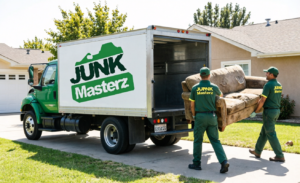
Why Choose Junk Masterz
Junk Masterz makes junk removal simple and stress-free. They provide clear, upfront pricing, fast and reliable service, and handle heavy items safely. They also recycle or donate whenever possible, keeping waste out of landfills. With a professional, customer-focused approach, Junk Masterz helps you reclaim your space efficiently and responsibly.
Conclusion
So, how much does junk removal cost? For most homeowners, the answer falls somewhere between $150 and $600, but the final price depends on the amount of junk, its weight, the type of materials, labor requirements, and your location.
The best way to understand your expected junk removal services cost is to request a detailed estimate from a reputable company. Many providers offer free quotes, making it easy to compare services and pricing before scheduling a pickup.
While doing the job yourself may seem less expensive at first, don’t overlook the time, fuel, disposal fees, and physical effort involved. Professional junk removal offers convenience, safety, and peace of mind, especially for large cleanouts or bulky items.
If you’re planning to declutter your home, renovate a property, or clear out unwanted furniture and appliances, understanding junk removal pricing will help you budget confidently and choose the service that best fits your needs. By comparing estimates, asking the right questions, and working with a trusted company, you can enjoy a cleaner, clutter-free space without unnecessary stress.
Check out our Commercial Junk Removal Service for efficient business cleanouts or our Residential Junk Removal Services in Fresno to reclaim space at home. Contact us today to schedule your pickup and get rid of unwanted junk safely and professionally.
FAQs
Is there a way to get a free junk removal quote?
Yes, reputable junk removal services almost always offer free, no-obligation quotes. They will send a team member to your property to assess the volume and labor required to give you a firm, upfront price before any work begins. If a company charges a fee for an estimate, you should look elsewhere.
What is the cheapest way to get rid of a couch?
The cheapest way is to try selling it or giving it away for free on local marketplaces (like Craigslist or Facebook Marketplace) where the buyer picks it up. If you need professional removal, the sofa removal cost typically falls under the company’s minimum service fee, averaging $120 to $250, depending on size and location within the house.
Why do junk removal prices seem so high for a small load?
The main reason is the company’s minimum operating cost. Even for a small load, the company has to pay for two employees, fuel, truck maintenance, insurance, and the minimum required fee at the landfill or transfer station (the “tipping fee”). This minimum cost is usually set to cover roughly the first eighth of a truckload.
Do I need to be home when the junk removal company arrives?
Yes, ideally. You should be present when the crew arrives to accept the final, firm price quote. Once the quote is accepted, you can leave, but it is best practice to be available via phone until the job is complete.
Do they charge extra if the junk is in my basement or attic?
Generally, yes. The price quote you receive includes labor, and difficult access (carrying heavy items up or down stairs, or maneuvering through tight spaces) increases the time and effort required. This is typically covered by a higher labor rate factored into the overall quote, or a specific “Stair Carry Fee” added to the base price.