Waste is something we all create every single day. From household trash and food scraps to construction debris and industrial byproducts, waste is an unavoidable part of modern life. However, the real issue is not waste itself — it is how we handle it responsibly and efficiently.
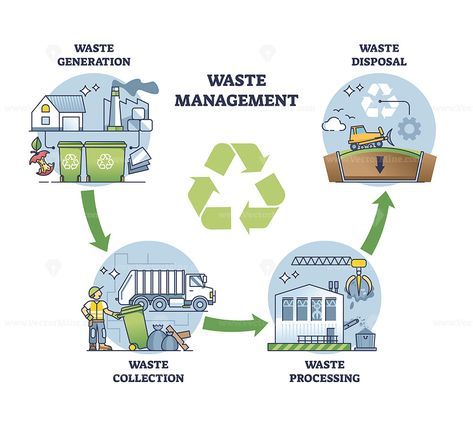
To properly explain waste management, we must look beyond simple garbage collection. Waste management is a structured system that includes waste generation, segregation, transportation, recycling, treatment, recovery, and safe disposal. It ensures that waste does not harm human health, contaminate natural resources, or contribute to climate change.
Today, waste management is no longer just about picking up trash from the curb. It plays a vital role in protecting public health, conserving valuable resources, reducing greenhouse gas emissions, and supporting long-term environmental sustainability. Poor waste handling can lead to water pollution, air contamination, soil degradation, and the spread of disease. Effective waste management systems prevent these risks while promoting recycling and responsible consumption.
What Is Waste Management?
Waste management refers to the systematic process of collecting, transporting, processing, recycling, and disposing of waste materials safely and efficiently.
In simple words, waste management explain means understanding how waste is handled from the moment it is generated until it is properly disposed of or reused.
It includes:
-
Waste collection
-
Segregation and sorting
-
Recycling and composting
-
Treatment and recovery
-
Final disposal (landfills or incineration)
Effective waste management protects the environment, reduces health risks, and supports sustainable living.
Why Waste Management Matters Today
1. Protecting Public Health
Improper waste disposal can cause serious health issues. Uncollected garbage attracts pests, spreads bacteria, and contaminates water supplies. Organized waste systems prevent disease outbreaks and improve community hygiene.
2. Environmental Protection
When waste is dumped carelessly, it pollutes soil, water, and air. Proper systems reduce greenhouse gas emissions, especially methane from landfills.
If you need to explain the importance of waste management, it comes down to this: it safeguards ecosystems and helps fight climate change.
3. Resource Conservation
Recycling allows materials like paper, plastic, metal, and glass to be reused instead of extracted again from nature. This saves energy and natural resources.
4. Economic Benefits
The recycling and waste management industry creates jobs and supports local economies. Businesses also benefit from professional disposal services that ensure compliance with environmental regulations.
Types of Waste Management
Understanding the different categories helps us better explain solid waste management and other systems.
1. Solid Waste Management
Solid waste includes household garbage, construction debris, commercial waste, and industrial byproducts. As urban areas expand and businesses grow, the volume of solid waste continues to increase, making organized management systems essential.
Solid waste management focuses on:
-
Collection
-
Sorting and segregation
-
Recycling and material recovery
-
Safe and compliant disposal
Municipal authorities typically manage residential waste programs, while private providers play an important role in handling large-scale cleanouts, commercial debris, and construction waste. Companies like Junk Masterz support responsible disposal by ensuring materials are properly sorted, recycled where possible, and disposed of according to environmental regulations.
Effective solid waste management reduces landfill pressure, prevents pollution, and promotes a cleaner and healthier community for everyone
2. Liquid Waste Management
This includes wastewater from households, industries, and storm drains. Treatment plants remove harmful contaminants before releasing water back into the environment.
3. Hazardous Waste Management
Hazardous waste includes chemicals, medical waste, batteries, and toxic materials. It requires special handling to prevent environmental contamination.
4. Organic Waste Management
Organic waste such as food scraps and yard waste can be composted. Composting reduces landfill volume and creates nutrient-rich soil.
The 5 R’s of Waste Management: A Practical Framework for Sustainability
When experts explain principle of waste management, they often refer to the 5 R’s. This framework is globally recognized in environmental policy and sustainability programs because it prioritizes prevention over disposal.
The order is intentional. Each step is more environmentally responsible than the one that follows. The goal is to reduce landfill dependency, conserve resources, and minimize pollution.
1. Refuse – Stop Waste Before It Starts
Refuse means avoiding products that create unnecessary waste. This includes single-use plastics, excessive packaging, disposable items, and products you do not truly need.
By refusing waste at the source, you reduce demand for raw materials, manufacturing energy, and future disposal. It is the most effective way to control environmental damage because the waste never enters the system.
2. Reduce – Minimize Waste Generation
Reduce focuses on lowering the quantity of waste produced. This can be done by buying durable products, planning purchases carefully, and avoiding overconsumption.
At a business level, reducing waste improves operational efficiency and lowers disposal costs. When we explain the importance of waste management, reduction plays a major role because it directly decreases landfill pressure and carbon emissions.
3. Reuse – Extend Product Lifecycles
Reuse means using items multiple times before discarding them. This includes repairing, donating, repurposing, or reselling usable goods.
Reuse reduces the need for new production, which saves energy and natural resources. In solid waste management, reuse programs significantly reduce the volume of materials entering landfills.
4. Recover – Extract Remaining Value
Recovery refers to generating energy from waste that cannot be reused or recycled. Methods include waste-to-energy systems and biogas production.
While recovery reduces landfill use, it is still less sustainable than refusing, reducing, or reusing waste. That is why disposal remains the final option in modern waste management systems.
5. Recycle – Convert Waste into New Materials
Recycling involves collecting and processing materials such as paper, glass, metals, and certain plastics to create new products.
Recycling conserves energy and reduces the need for raw resource extraction. However, it depends on proper sorting systems, public awareness, and strong recycling infrastructure to be effective.
Why Disposal Is the Last Step
Landfills can release methane, contaminate groundwater, and occupy large areas of land for decades. Because of these environmental and health risks, sustainable systems prioritize prevention and resource recovery before considering final disposal.
To properly explain waste management, it is important to understand that disposal is not the ultimate goal — sustainability is. The true objective is to reduce waste at the source, recover valuable materials, and protect both public health and the environment for future generations.
Waste management is a shared responsibility that begins with governments and businesses but continues inside every home. Even small, practical actions make a difference. For example, knowing how to clean out a garbage disposal correctly can prevent clogs, eliminate odors, and reduce unnecessary strain on plumbing systems. Simple steps such as avoiding grease buildup, flushing with hot water, and using natural cleaning methods help maintain efficient household waste systems.
When communities combine responsible daily habits with structured waste management systems, they create cleaner environments, healthier living conditions, and a more sustainable future for generations to come.
You May Also Read: How to clean out a garbage disposal
Modern Waste Management Techniques
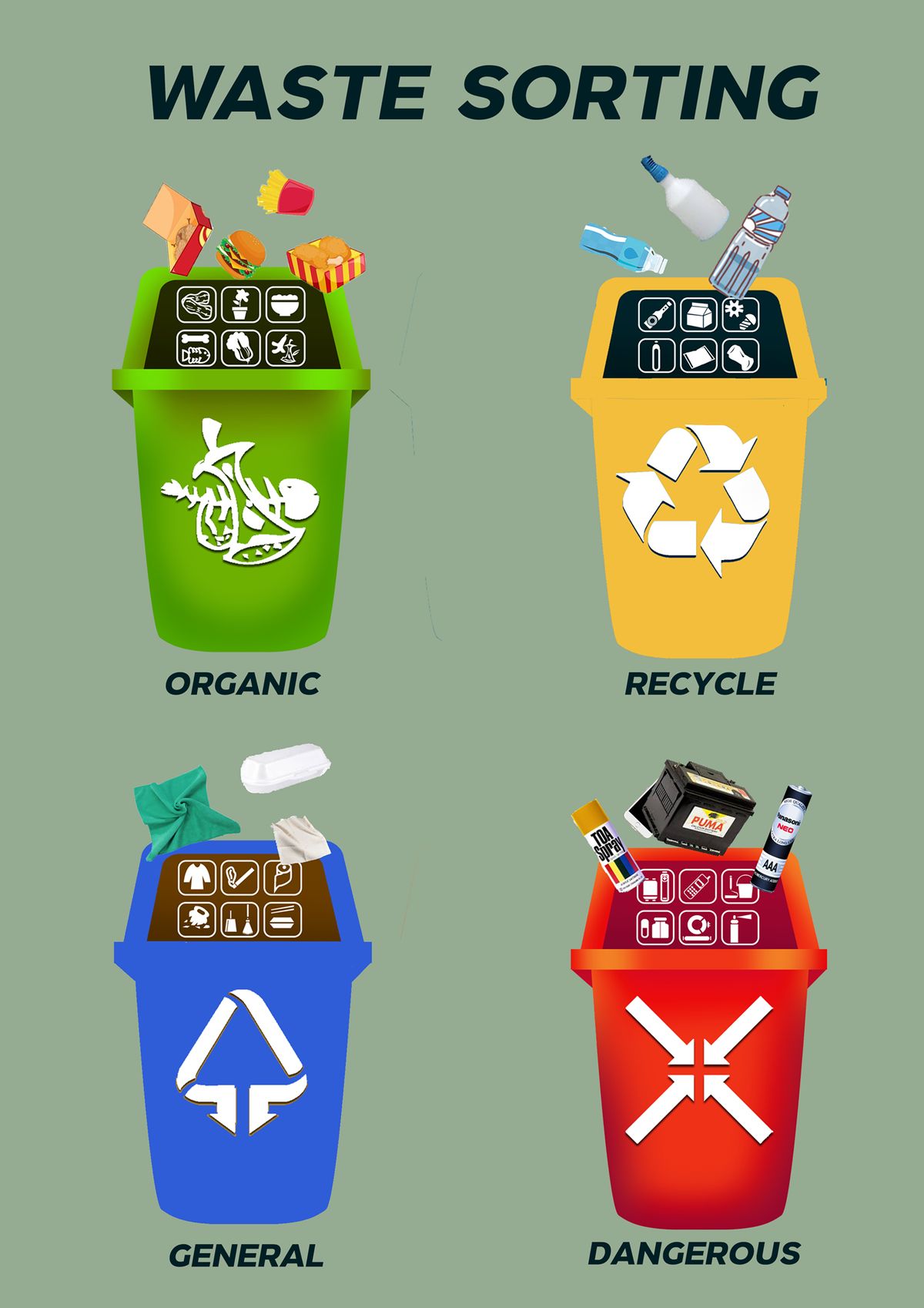
1. Recycling Programs
Advanced sorting technologies improve recycling efficiency. Materials are separated using automated systems, reducing contamination.
2. Composting
Organic waste is broken down naturally into compost, reducing landfill use and methane emissions.
3. Waste-to-Energy
Certain waste materials are converted into energy through controlled processes, reducing landfill dependency.
4. Smart Waste Systems
Cities now use smart bins with sensors to optimize collection routes and reduce fuel usage.
Common Challenges in Waste Management
1. Rapid Urban Growth
Growing populations produce more waste, putting pressure on municipal systems.
2. Plastic Pollution
Single-use plastics remain a major environmental issue worldwide.
3. Limited Landfill Space
Land availability for landfills is shrinking, increasing the need for recycling and alternative disposal methods.
4. Public Awareness
Many people still lack proper knowledge about waste segregation and recycling practices.
How Individuals Can Support Better Waste Management
-
Separate recyclable and organic waste at home.
-
Avoid single-use plastics.
-
Support eco-friendly businesses.
-
Use professional disposal services for large cleanouts.
-
Educate family members about sustainable practices.
Small daily actions make a large collective impact.
Future of Waste Management
The future focuses on a circular economy, where waste is minimized and materials are reused continuously.
Key trends include:
-
Zero waste initiatives.
-
Biodegradable packaging.
-
Advanced recycling technology.
-
Government sustainability regulations.
-
Corporate environmental accountability.
Communities that invest in responsible systems today will see long-term environmental and economic benefits.
The Role of Professional Waste Services
Businesses generate large volumes of waste, especially during renovations, construction, or commercial cleanouts. Professional services ensure safe and compliant disposal.
Companies like Junk Masterz help communities handle large-scale cleanouts efficiently while prioritizing recycling and responsible disposal.
For businesses needing reliable hauling, commercial junk removal services by junk Masterz provide structured solutions that align with environmental standards and local regulations.
Conclusion
To truly explain waste management, we must look beyond garbage collection. It is a structured, science-based system designed to protect human health, preserve natural resources, and reduce environmental damage.
The importance of responsible waste handling cannot be overstated. Whether at the household, commercial, or industrial level, waste management plays a crucial role in building cleaner and safer communities.
By understanding solid waste management, following the core principles, and supporting sustainable practices, individuals and businesses can make a meaningful difference.
Waste management is not just a service — it is a shared responsibility that shapes the future of our planet.
Frequently Asked Questions (FAQs)
What is waste management in simple terms?
Waste management is the process of collecting, recycling, treating, and disposing of waste safely.
It protects public health and reduces environmental pollution.
Why is waste management important?
Waste management prevents contamination of air, water, and soil.
It also conserves resources and supports sustainable development.
Explain solid waste management.
Solid waste management involves collecting, sorting, recycling, and disposing of household and commercial trash.
Its goal is to reduce landfill use and promote recycling.
Explain the importance of waste management.
It reduces environmental damage, controls pollution, and prevents disease.
It also supports resource conservation and economic growth.
Explain principle of waste management.
The principle follows the 5 R’s: Refuse, Reduce, Reuse, Recycle, and Recover.
It prioritizes waste prevention before disposal.
What are the benefits of recycling?
Recycling saves energy and reduces the need for raw materials.
It lowers greenhouse gas emissions and landfill waste.
What happens if waste is not managed properly?
Improper waste disposal leads to pollution and health risks.
It can contaminate water sources and harm ecosystems.
What is the future of waste management?
The future focuses on circular economy models and zero-waste strategies.
Advanced recycling technologies and stricter environmental policies are increasing globally.