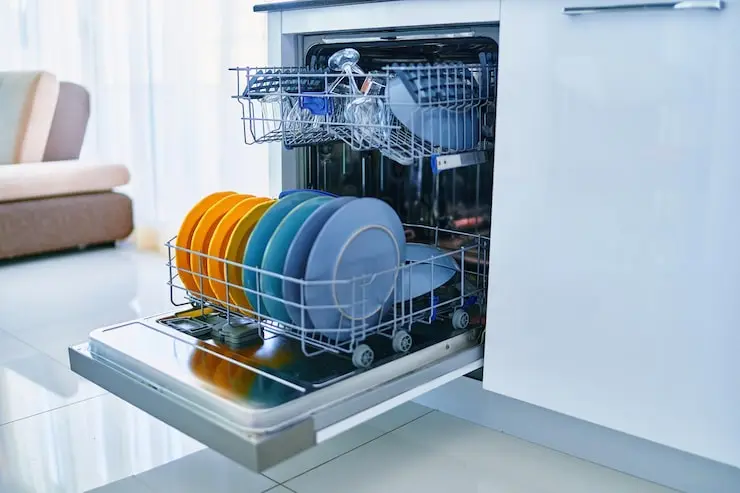
If you’re asking how to dispose of dishwasher safely and responsibly, you’re in the right place. A dishwasher isn’t something you toss by the curb with the rest of your garbage. It’s large, it often contains recyclable metal and wiring, and in many places you can’t just leave it at the dump without following specific rules. In this guide, we’ll walk you through the best ways to get rid of an old dishwasher, including DIY options, recycling, donation, and what not to do. I’m keeping this clear, accurate, and user‑focused with real guidance based on reputable disposal practices.
Why Proper Dishwasher Disposal Matters
A dishwasher can weigh anywhere from about 50 to 125 pounds or more, depending on size and model. That’s not light furniture you chuck into the trash. Many parts inside are metal, plastic, and wiring that can be reused or recycled instead of rotting in a landfill or ending up somewhere it shouldn’t. Simply throwing a big appliance in the regular trash is often against local rules and might get you fined. Always check your local waste department guidelines before deciding where to take it.
Dishwashers also pose a safety risk if left around. Even a discarded machine with a closed door can trap a child or animal, so safe disposal reduces hazards around your home.
Step-by-Step DIY Disposal Options
Here’s a practical approach to handling your old dishwasher without panicking. These options vary in effort and cost, so you can pick what works best for you.
1. Bulk or Municipal Pickup
Many towns and cities operate bulky waste collection services for large appliances like dishwashers. These programs often require you to schedule a pickup or place the dishwasher at a designated spot on a specific day. Some are free, while others charge a small fee. Before you put it out, check your local sanitation department’s rules so you’re not risking a fine for leaving it out early or without a tag.
2. Recycling Centers
Dishwashers contain lots of reusable materials, so recycling is one of the best options if the machine isn’t suitable for donation. You can drop it off at a local recycling facility or appliance recycling program that accepts large appliances. These centers break down the appliance and recover metals, plastics, and electronics for reuse. Most recycling programs handle dishwashers and similar appliances.
3. Retailer or Haul‑Away Service
If you’re replacing your dishwasher with a new one, ask the seller if they offer removal of the old unit. Many appliance stores and big box retailers will haul away your old dishwasher when they deliver the replacement. Some charge a small fee, but others include it for free with your purchase.
4. Scrap Metal Yards
Even if the dishwasher doesn’t work, you may still get some value out of it. Dishwashers contain stainless steel, copper wiring, aluminum, and other metals that scrap yards will accept. Prices vary based on metal markets and your location, but many yards will take them and responsibly recycle the materials.
Before you haul it in, give the scrap yard a call to confirm they accept dishwashers and ask about any preparation steps you need to take.
Donation & Recycling Hubs
If your dishwasher still works or only needs minor repairs, you might donate it instead of scrapping it. That way, someone else can use it, and you keep usable appliances out of landfills.
Places to consider:
- Local charities and thrift stores that accept appliances
- Habitat for Humanity ReStore or similar organizations
- Community groups or online platforms where neighbors trade or pick up free items
If a charity agrees to take it, some will even arrange pickup for you, which saves you the hassle of transport. Always check with them first so you don’t show up with a dishwasher they can’t accept.
Common Mistakes to Avoid
There are a few things you don’t want to do when getting rid of your dishwasher. Here’s a quick look at what to skip:
Leaving it at the curb without permission
Many cities prohibit leaving large appliances out on trash day without scheduling a bulky item pickup. You could face a fine if you do it without checking local rules.
Dumping it in a regular landfill
Because dishwashers contain metals and potentially hazardous parts, they should be recycled or handled by proper waste systems. In many places, major appliances are not allowed in standard landfills at all.
Assuming curbside trash collection will take it
Regular waste trucks are not usually equipped to handle big appliances. Unless your city specifically offers that service, you’ll need to schedule it or take it to a recycling or disposal facility.
Trying to pull out valuable metals yourself without expertise
Breaking down electronics and appliances for parts can expose you to sharp edges, wiring hazards, and other risks. If you want to scrap parts, do it with caution or let the recycling professionals handle it.
Conclusion
Getting rid of a dishwasher doesn’t have to be confusing. Think of your options this way: if the dishwasher still works, donate or sell it. If it’s not worth giving away, recycle it or arrange a pickup through Junk Masterz. Always follow local rules so you stay compliant and environmentally responsible.
Schedule Your Dishwasher Pickup Today! Let our Fresno Junk Removal team handle the heavy lifting and eco-friendly disposal for you. Contact us now to book your service!
Frequently Asked Questions
Can you scrap a dishwasher?
Yes. Most scrap metal yards will accept dishwashers because they contain metals like stainless steel, copper, and aluminum. Call ahead to confirm acceptance and any preparation steps.
What to do with an old dishwasher that still works?
If it still runs, you can donate it, sell it, or give it away. Many charities and community groups accept working appliances, and online marketplaces make selling easy.
Where to dump old dishwasher legally?
Legally dumping an old dishwasher means either scheduling a bulky waste pickup with your local sanitation service, dropping it off at a recycling center, or taking it to a waste management facility that handles appliances.
How much do dishwashers weigh?
Dishwashers vary in weight, but many built‑in models range between roughly 50 to 125 pounds. Their size and heaviness are exactly why you can’t just toss them with regular trash.