Old refrigerators often sit in garages, basements, sheds, or backyards for years. Many homeowners think they can throw the appliance away or place it at the curb. However, if the refrigerator still contains Freon or another refrigerant, it must be removed properly before disposal.
Freon is a chemical refrigerant once commonly used in refrigerators and air conditioners. If released into the air, it can damage the environment and may violate disposal laws in many areas.
If you are wondering how to remove freon from fridge safely, this complete guide explains everything in simple language. You will learn how to identify Freon, why professional removal matters, average costs, and the best disposal options.
What Is Freon in a Refrigerator?
Freon is a common name often used for older refrigerants such as CFC-12 and HCFC-based cooling gases. These chemicals were widely used in refrigerators and freezers for many years before stricter environmental rules were introduced. Their main purpose was to absorb heat from inside the fridge and release it outside, helping keep food cold and fresh.
Many older refrigerators still contain Freon or similar refrigerants. If an old unit has not been professionally emptied, the gas may still remain inside the sealed cooling system. Because of this, the appliance should never be punctured, cut open, or dumped without proper refrigerant recovery.
Why Freon Must Be Removed Properly
Removing Freon the correct way is important for environmental safety, public health, and legal disposal. If released improperly, refrigerants can create several problems.
Harm the Ozone Layer
Older Freon types such as CFCs can damage the ozone layer, which helps protect the Earth from harmful ultraviolet rays.
Increase Greenhouse Gas Pollution
Some refrigerants trap heat in the atmosphere and contribute to climate change when released.
Create Health Risks if Inhaled
Breathing refrigerant gas in enclosed spaces may cause dizziness, headaches, nausea, or breathing discomfort.
Lead to Local Fines or Penalties
Many cities and regions require proper refrigerant disposal. Illegal venting may result in penalties or disposal violations.
Prevent Legal Recycling of the Appliance
Most recycling centers and scrap yards require refrigerant removal before accepting old refrigerators.
How to Know if Your Fridge Contains Freon
Before disposal, check whether the refrigerator still uses an older refrigerant.
Check the Appliance Label
Look inside the refrigerator door, rear panel, or near the compressor for a label showing the refrigerant type.
Common refrigerant labels include:
- R-12
- CFC-12
- HCFC-22
- R-134a
- R-600a
If the label lists R-12 or older refrigerants, professional removal services are recommended.
Age of the Refrigerator Matters
Fridges made before the mid-1990s are more likely to contain Freon or similar refrigerants.
Can You Remove Freon From a Refrigerator Yourself?
Many people ask, Can you remove Freon from a refrigerator yourself?
In most cases, the answer is no. Refrigerant removal usually requires certified equipment and trained technicians.
Why DIY Removal Is Not Recommended
Trying to remove Freon without proper tools can cause:
- Dangerous leaks
- Injury from pressurized lines
- Environmental damage
- Appliance damage
- Legal issues in some areas
Because of these risks, professional service is the safest option.
How To Remove Freon From Fridge
If you need to dispose of an old refrigerator, follow the correct process.
Step 1: Contact a Certified Professional
Call one of these service providers:
- Appliance recycling centers
- HVAC INSIDER technicians
- Refrigerator repair specialists
- Licensed junk removal companies
Step 2: Refrigerant Recovery
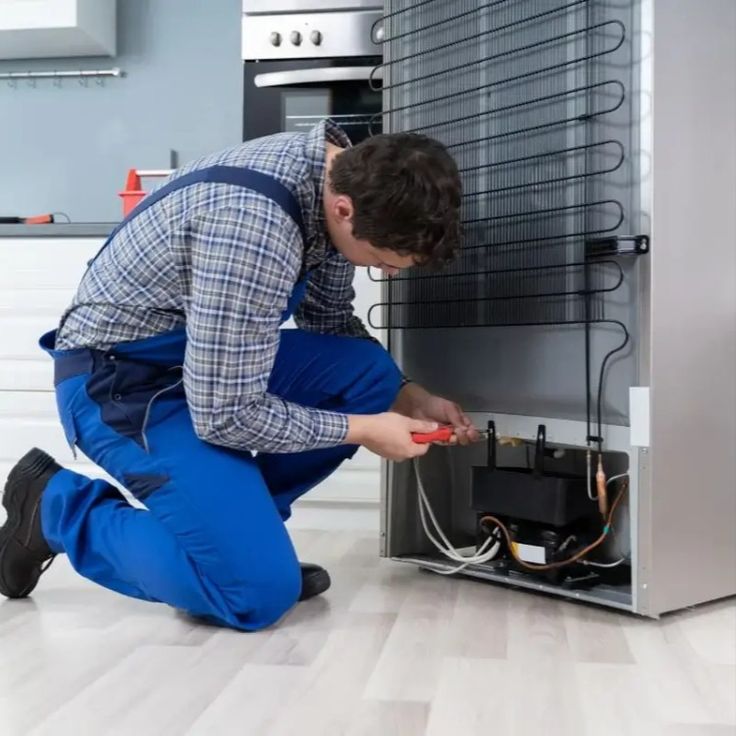
A certified technician will usually:
- Inspect the refrigerator
- Connect recovery equipment
- Remove refrigerant into sealed containers
- Confirm the unit is empty
- Prepare it for disposal or recycling
Step 3: Recycle or Dispose of the Fridge
Once Freon is removed, the refrigerator can be:
- Recycled for metal and parts
- Hauled away by residential junk removal services
- Accepted by approved landfills
- Donated if repaired and working
How Much Does It Cost to Remove Freon From Refrigerator Units?
One of the most frequently asked questions is: how much does it cost to remove Freon from refrigerator appliances?
Costs vary based on several factors, including location, appliance size, refrigerant type, and service provider.
Average Cost Breakdown
| Service | Typical Cost |
|---|---|
| Refrigerant Recovery | $50–$150 |
| Appliance Pickup | $25–$100 |
| Recycling Fee | $0–$50 |
| Full Refrigerator Disposal | $75–$250 |
How to Get Freon Removed From a Fridge for Low Cost
If you want affordable options, try these resources.
Utility Company Programs
Some power companies offer old appliance recycling programs and may pick up refrigerators.
City Bulk Pickup Services
Many cities offer special appliance collection days.
Recycling Centers
Some scrap yards or recycling centers work with certified refrigerant recovery providers. You can also get more information through Wikipedia’s article on Heating, Ventilation, and Air Conditioning (HVAC), which explains how refrigeration and cooling systems work.
What Happens After Freon Is Removed?
Once Freon or other refrigerants have been professionally removed, the refrigerator becomes much safer to handle, transport, and recycle. At this stage, the appliance can be dismantled so its valuable materials can be separated and reused instead of being sent to a landfill.
Most recycling centers break the refrigerator down into different parts. Metal components are sorted, plastic pieces are separated, and reusable materials are processed for future manufacturing.
Reusable Materials Often Include:
Steel
Steel from the refrigerator body, doors, and frame can be melted down and reused to make new appliances, tools, or construction materials.
Copper
Copper is commonly found in wiring and cooling coils. It is valuable and often recovered for reuse in electrical products and plumbing materials.
Aluminum
Many refrigerators contain aluminum in internal parts and cooling components. Aluminum can be recycled repeatedly without losing quality.
Plastic Shelves
Plastic drawers, bins, and shelves may be recycled depending on the type of plastic and local recycling facilities.
Glass Components
Glass shelves and trays can sometimes be processed and reused in other manufacturing applications.
Why Recycling Matters
Recycling an old refrigerator helps reduce landfill waste, conserves natural resources, and lowers the demand for raw material mining. It also supports cleaner communities and more environmentally responsible disposal practices.
Mistakes to Avoid
Cutting Refrigerant Lines
Never cut copper tubes or compressor lines.
Leaving Old Fridges Outside
Unused refrigerators can become unsafe and deteriorate quickly.
Hiring Unlicensed Haulers
Always ask if refrigerant removal is included and handled legally.
Quick Answer
How to remove Freon from a fridge?
The safest and legal method is hiring a certified technician who uses refrigerant recovery equipment. After removal, the refrigerator can be recycled or disposed of properly.
Conclusion
Knowing how to remove Freon from a fridge is important when preparing an appliance for recycling, disposal, or replacement. While many homeowners search for DIY solutions, refrigerant recovery requires specialized equipment, proper handling procedures, and compliance with environmental regulations.
Attempting to release refrigerant yourself can create safety risks and environmental harm. For that reason, refrigerant recovery is best left to qualified professionals who can ensure the process is completed safely and responsibly.
Whether you need to know how to remove Freon from a fridge safely, how much Freon removal costs, or where to dispose of the appliance afterward, choosing professional help makes the process easier. Responsible disposal not only clears space in your home but also supports cleaner communities and eco-friendly recycling practices.
In the long run, taking the right steps today can save time, avoid legal trouble, and ensure your old refrigerator is handled the proper way.
Frequently Asked Questions
Can you remove Freon from a refrigerator yourself?
In most cases, removing Freon from a refrigerator yourself is not recommended. Refrigerant recovery requires special tools and proper training. Many areas also require certified technicians to handle refrigerants legally. Hiring a professional is the safest and most responsible option.
How much does Freon removal cost?
Freon removal usually costs between $75 and $200 for recovery only. Prices may be higher if appliance pickup, disposal fees, or same-day service are included. Costs often depend on your location and the size of the refrigerator.
Is Freon dangerous?
Freon can be harmful if released improperly. It may damage the environment and can cause health issues if inhaled in large amounts. Because it is stored under pressure, mishandling it can also create safety risks.
Will scrap yards take a fridge with Freon inside?
Many scrap yards and recycling centers will not accept refrigerators that still contain Freon. They often require proof that the refrigerant has been professionally removed before taking the appliance.
How long does Freon removal take?
Most refrigerator Freon removal jobs take about 30 to 60 minutes. The exact time depends on the appliance condition, refrigerant type, and technician equipment.
What if my fridge uses newer refrigerant?
Even refrigerators with newer refrigerants should be handled properly before disposal. Modern cooling gases still need professional recovery to meet environmental standards and local regulations.