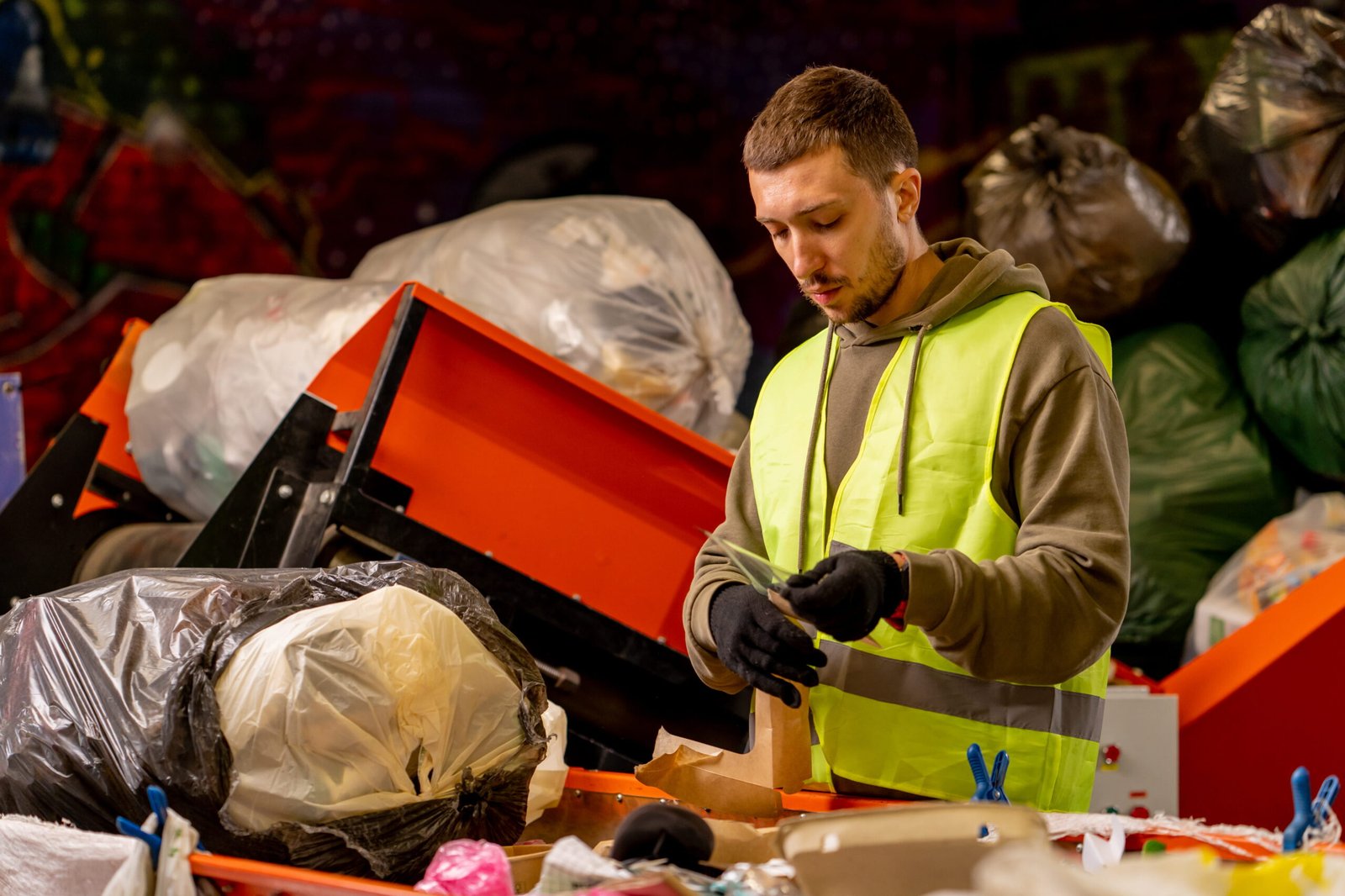
Most homes and businesses throw away more than they realize. From recyclable plastics to reusable materials, a significant portion of what ends up in the trash could have been handled more efficiently. That’s where a waste audit comes in.
A waste —also known as a trash disposal or garbage audit—is a simple but powerful way to understand exactly what you’re throwing away and how you can reduce it. Whether you’re a homeowner trying to cut clutter or a business looking to lower disposal costs, this process gives you clear, actionable insights.
At Junk Masterz, we’ve seen firsthand how a proper waste audit can help customers reduce waste removal costs, improve recycling rates, and make smarter decisions about disposal. In this guide, you’ll learn what waste management is, how to conduct one step by step, and how to turn your findings into real savings.
What Is a Waste Audit?
This is a systematic process used to analyze the type and quantity of waste generated in a specific location. It helps identify what materials are being discarded, how much waste is produced, and where improvements can be made.
In simple terms, a garbage audit answers three key questions:
- What are you throwing away?
- How much are you throwing away?
- What could be reduced, reused, or recycled?
Waste trash can be done in different settings, including:
- Homes (to reduce household waste)
- Offices (to improve recycling programs)
- Construction sites (to manage heavy debris like concrete and wood)
Understanding this data is the first step toward lowering costs and improving sustainability.
Why Waste Audits Are More Important Than Ever in 2026
Waste management has changed significantly in recent years. Rising costs, stricter regulations, and increased environmental awareness have made waste garbage more valuable than ever.
Rising Disposal Costs
Landfill fees and hauling expenses are increasing. Reviewing a junk removal company’s cost guide can help you understand how waste volume directly impacts pricing.
Environmental Regulations
Many regions are tightening rules around waste disposal and recycling. Businesses, in particular, must meet compliance standards or face penalties. Conducting waste management helps you stay ahead of these requirements.
Sustainability Expectations
Customers today prefer environmentally responsible companies. A well-documented waste garbage demonstrates your commitment to sustainability and can strengthen your brand reputation.
Data-Driven Decisions
Rather than guessing where waste is coming from, rubbish management provides real data. This allows you to make informed decisions that improve efficiency and reduce costs.
Key Benefits of Conducting a Waste Audit
A garbage assessment process isn’t just about analyzing trash—it’s about unlocking opportunities.
Cost Reduction
By identifying unnecessary waste, you can lower expenses and reduce reliance on affordable junk removal near you.
Improved Recycling Efficiency
Many audits reveal that recyclable materials are being thrown away. Fixing this can significantly reduce landfill use.
Better Resource Management
You may discover over-purchasing or inefficient use of materials, especially in businesses and construction projects.
Operational Efficiency
Streamlining how waste is handled can save time, labor, and effort.
Regulatory Compliance
A documented waste analysis and sorting guide helps ensure you meet local waste management laws and standards.
How Do You Conduct a Waste Audit? (Step-by-Step Guide)
If you’ve been wondering how to conduct a garbage assessment process, the process is simpler than it sounds. Here’s a practical step-by-step approach used by professionals like Junk Masterz.
Step 1: Define Your Goals
Start by identifying what you want to achieve:
- Reduce waste volume
- Increase recycling rates
- Cut disposal costs
Clear goals will guide the entire garbage assessment process
Step 2: Gather Materials and Safety Equipment
Prepare:
- Gloves and masks
- Sorting bins
- Labels
- A weighing scale
For workplace safety practices, refer to the Occupational Safety and Health Administration recommendations.
Step 3: Collect Waste Samples
Choose a time period (typically 1–7 days). Make sure the sample represents normal waste generation.
For businesses, this might include daily operations. For homes, it could include regular household trash.
Step 4: Sort Waste Into Categories
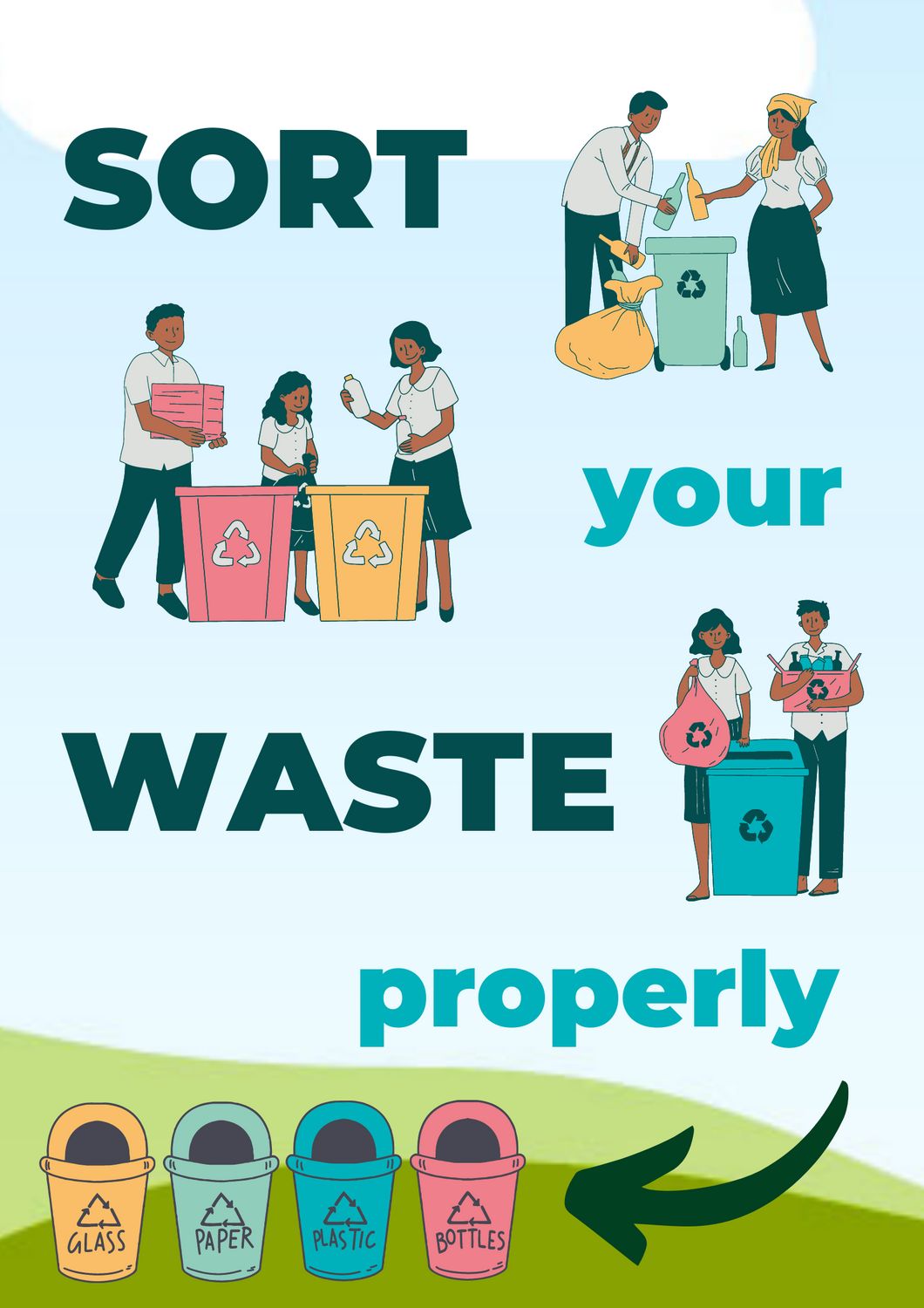
Separate waste into clear categories such as:
- Organic waste (food scraps)
- Plastics
- Paper and cardboard
- Metals
- Glass
- Hazardous materials
This step helps identify items that could be redirected using a guide to disposing of construction debris or recycling systems.
Step 5: Measure and Record Data
Weigh each category and record the results. Accuracy matters here, as this data will guide your decisions.
Step 6: Analyze the Results
Look for patterns:
- Are recyclables being thrown away?
- Is there excessive food waste?
- Are certain materials dominating your waste stream?
Step 7: Create an Action Plan
Turn your findings into action:
- Add recycling bins
- Reduce unnecessary purchases
- Train staff or household members
This is where real savings begin.
Waste Audit Process Explained (Simple Framework)
It is essential to understand waste management and the causes of waste generation to reduce environmental impact and improve sustainability.
Planning
Define scope and goals.
Collection
Gather waste samples.
Sorting and Analysis
Categorize and evaluate.
Implementation
Apply improvements.
Monitoring
Track progress over time.
For additional frameworks, resources from Zero Waste International Alliance provide deeper guidance.
Tools and Equipment Needed for Waste Trash
You don’t need expensive tools to get started, but having the right equipment makes the process easier.
Basic Tools
- Gloves
- Safety masks
- Sorting bins
- Labels
Measurement Tools
- Digital or manual weighing scale
- Data recording sheets
Digital Tools
- Spreadsheets
- Waste tracking software (for businesses)
Using the right tools improves accuracy and efficiency.
Common Mistakes to Avoid During a trash evaluation
Even a simple waste trash can go wrong if you overlook key details.
Not Using Representative Samples
If your sample doesn’t reflect normal waste patterns, your results will be misleading.
Ignoring Safety Protocols
Handling waste without proper protection can be risky.
Poor Data Recording
Incomplete or inconsistent data makes analysis difficult.
No Follow-Up Plan
A trash evaluation without action is just wasted effort. Always implement changes based on your findings.
Garbage Waste Example: Real-World Scenario
Let’s look at a simple example to see how garbage waste works in practice.
Small Office Audit
A small office conducted a garbage audit and found:
- 40% paper waste
- 30% recyclable plastics
- 20% organic waste
- 10% miscellaneous
Action Taken
- Switched to digital documentation
- Introduced labeled recycling bins
- Educated employees on waste sorting
Results
- Reduced waste disposal costs by 25%
- Improved recycling rates significantly
This example shows how even a basic trash audit can deliver measurable results.
How Often Should You Conduct a Waste Garbage Collection
The frequency of a waste audit depends on your situation.
Recommended Frequency
- Businesses: Every 3–6 months
- Homes: Once a year or during major cleanouts
Factors That Affect Frequency
- Volume of waste generated
- Type of industry
- Local regulations
Regular audits help maintain efficiency and track improvements over time.
Waste Audit for Businesses vs Homes
While the core process is the same, the scale and goals differ.
Business Waste
- Larger and more complex
- Focus on compliance and cost reduction
- Often involves multiple departments
Residential Waste
- Simpler and quicker
- Focus on reducing household waste
- Helps build sustainable habits
Both are valuable and can lead to meaningful improvements.
Future Trends in Waste Trash Evaluation
Waste auditing is evolving with technology and environmental priorities.
Smart Waste Tracking
IoT-enabled bins can track waste levels and types automatically, reducing manual effort.
AI and Data Analytics
Advanced systems analyze waste patterns and suggest improvements in real time.
Circular Economy Practices
Businesses are shifting toward reuse and recycling systems to minimize waste entirely.
Staying ahead of these trends can give both homeowners and businesses a competitive edge. Supported by organizations like the Ellen MacArthur Foundation.
Conclusion
A waste audit is one of the most effective ways to understand and reduce your waste. Whether you call it a trash audit or a garbage audit, the goal remains the same: gain clarity, cut costs, and improve efficiency.
By following a structured waste analysis process—collecting, sorting, measuring, and analyzing—you can uncover hidden inefficiencies and take meaningful action. Even small changes, like improving recycling habits or reducing unnecessary purchases, can lead to significant long-term savings.
For businesses, the garbage assessment process guides support compliance and sustainability goals. For homeowners, they create cleaner, more organized living spaces.
For those who want a faster and more efficient solution, contact us. Today, we offer same-day junk removal in your area and customized services to handle everything from small cleanouts to large-scale waste removal.
FAQS
What is a waste audit?
A waste audit is a structured process used to analyze the types and amounts of waste generated in a home, business, or construction site. It helps identify what materials are being thrown away and highlights opportunities to reduce, reuse, and recycle waste more effectively.
How do you conduct a waste trash?
To conduct a waste trash, you collect waste over a set period, sort it into categories such as plastic, paper, and organic materials, measure each category, and analyze the results. This process helps identify inefficiencies and areas where waste can be reduced or better managed.
What is the waste trash process?
The trash process involves five main steps: planning, collecting waste samples, sorting materials into categories, analyzing the data, and implementing improvements. Regular monitoring ensures long-term waste reduction and efficiency.
Why is a garbage audit important?
A garbage audit is important because it helps reduce disposal costs, improve recycling rates, and minimize environmental impact. It also provides valuable data that can be used to make smarter waste management decisions.
How long does a waste trash take?
A waste trash can take anywhere from a few hours for small households to several days for larger businesses or construction projects. The duration depends on the volume and complexity of the waste being analyzed.
What are the benefits of waste garbage?
The benefits of a waste audit include cost savings, improved recycling efficiency, better resource management, and reduced environmental impact. It also helps businesses stay compliant with waste regulations.
Who should conduct waste trash?
Waste trash can be collected by homeowners, business owners, facility managers, or professional waste management companies. Larger organizations often hire experts to ensure accurate data and compliance.
How often should you do a garbage?
Businesses should conduct a waste garbage every 3 to 6 months, while households can perform one annually or during major cleanouts. Regular audits help track progress and maintain efficiency.