If you’ve recently dug up your yard, completed a landscaping job, or handled a construction project, one question quickly comes up: how do you dispose of dirt properly?
It may seem like a simple task, but disposing of dirt is not always straightforward. Many homeowners are surprised to learn that soil cannot always be thrown in regular trash bins, and dumping it illegally can lead to fines or environmental damage.
That’s why so many homeowners and contractors search for answers like how to get rid of dirt, where to throw dirt away, or where to get rid of dirt without spending too much money. The truth is, there isn’t a one-size-fits-all solution. The right approach depends on how much dirt you have, what type it is, and how quickly you need it gone.
This guide is designed to give you clear, practical answers in simple language. Instead of confusing technical advice, you’ll get real-world solutions that actually work. From quick disposal methods to eco-friendly alternatives, we’ll help you understand how to get rid of dirt efficiently, legally, and responsibly.
Understanding Dirt Types Before Disposal (Why It Matters)
Before deciding where to get rid of dirt, it’s important to understand what kind of soil you’re dealing with. This step is often skipped—but it can save you money and prevent legal issues.
1. Clean Fill Dirt
This is natural soil that is free from:
- Chemicals
- Trash
- Organic waste
It typically comes from digging foundations, landscaping, or leveling projects.
Best part: Clean dirt is highly reusable and often accepted for free.
2. Contaminated Dirt
This includes soil that contains:
- Oil or fuel residue
- Chemicals or pesticides
- Construction pollutants
This type of dirt must be handled carefully and may require specialized disposal facilities.
3. Mixed Dirt
This is soil combined with:
- Rocks
- Roots
- Concrete pieces
It may need sorting before disposal.
Expert Insight:
It’s important to understand proper waste management before disposing of dirt. Organizations like Waste Management emphasize separating materials before disposal because it improves recycling efficiency and significantly reduces landfill waste. By managing dirt and debris correctly, you not only make disposal easier but also help protect the environment and support more sustainable waste practices.
How Do You Dispose of Dirt?
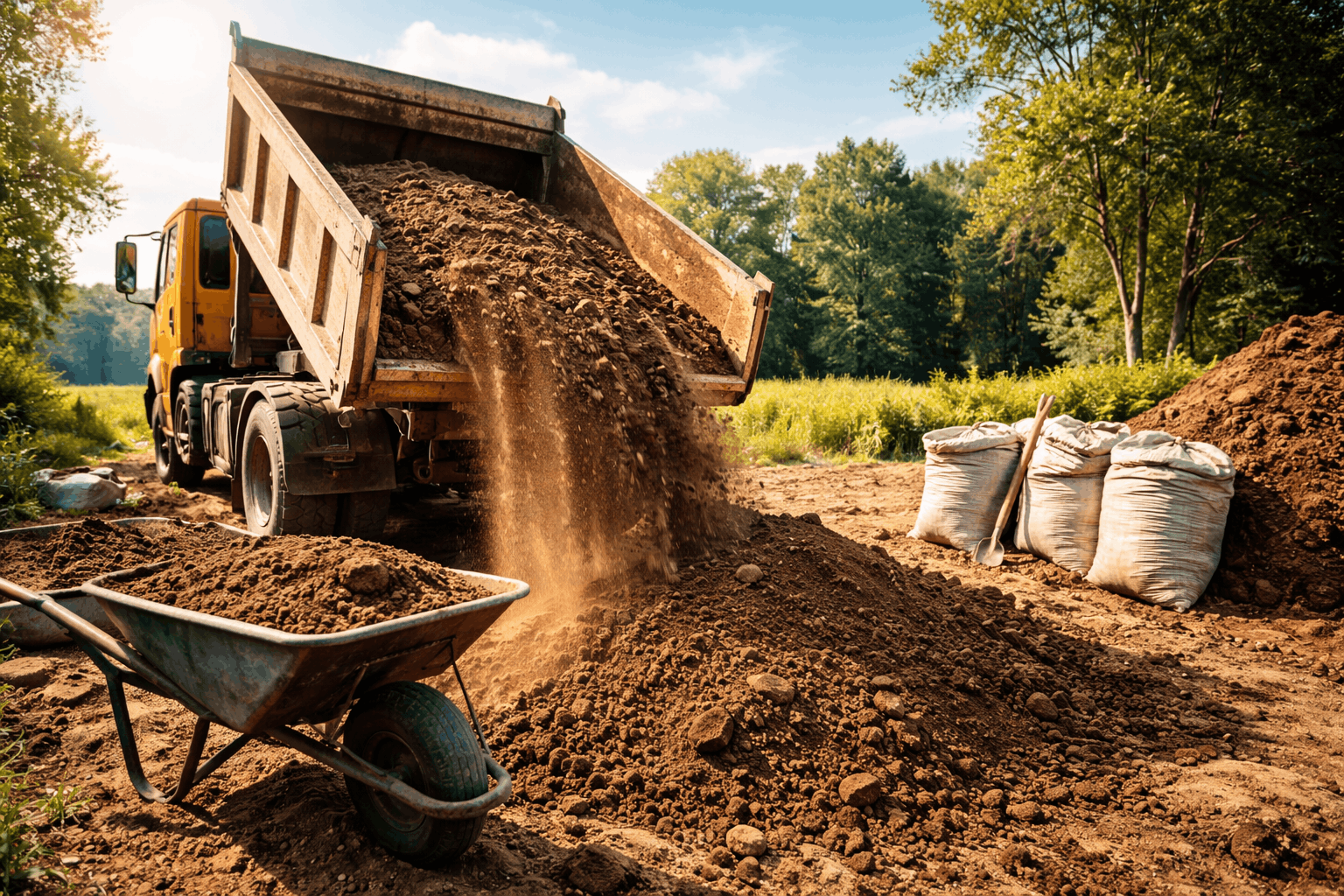
You can dispose of dirt by taking it to a landfill, donating it, reusing it for landscaping, or using soil recycling facilities. For large amounts, hiring a junk removal service is often the easiest option because they handle pickup, transportation, and proper disposal.
Clean fill dirt can sometimes be reused for garden leveling, construction projects, or erosion control. Many landscaping companies or local builders may also accept it for free if it’s uncontaminated.
If you want a cost-effective option, consider posting the dirt online to see if someone in your area needs it. However, if the dirt is mixed with debris or waste, it should be taken to an approved disposal or transfer station.
The best method depends on the type, amount, and condition of the dirt, as well as local disposal regulations.
Where to Throw Dirt Away: 7 Practical Options
Let’s break down the most effective solutions depending on your situation.
1. Local Landfills or Transfer Stations
This is one of the most common answers to where to throw dirt away.
Best for:
- Large quantities
- Mixed or unusable dirt
Things to know:
- Fees are usually based on weight
- Some landfills only accept clean fill dirt
- Rules vary by location
2. Landscaping Companies and Contractors
If your dirt is clean, this is one of the smartest ways to handle where to get rid of junk
Why it works:
- Contractors often need fill dirt
- You may get free pickup
- Saves disposal costs
3. Soil Recycling Centers
Many cities now promote soil recycling to reduce environmental impact.
Organizations like the Institute for Local Self-Reliance support reuse programs that turn excess soil into valuable resources.
Benefits:
- Eco-friendly
- Sometimes free
- Supports sustainability
4. Junk Removal Services
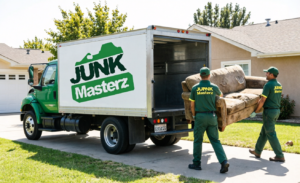
If convenience is your priority, this is the easiest answer to how to get rid of dirt quickly. Certified companies handle everything from loading and hauling to proper disposal, making the entire process simple and stress-free.
Advantages:
No heavy lifting
Fast removal
Handles large volumes
Downside: Higher cost compared to DIY options.
5. Reuse Dirt at Home
Before searching for how to get rid of dirt, consider whether you actually need to dispose of it at all.
Reuse ideas:
- Level uneven ground
- Build garden beds
- Fill holes or trenches
This is the most cost-effective and environmentally friendly option.
6. Offer Dirt for Free Online
Many people actively look for free dirt.
You can:
- Post on local marketplaces
- Share in community groups
Pro Tip:
Label it as “clean fill dirt” to attract interest.
7. Community Projects and Gardens
Community gardens often need soil for landscaping.
Environmental organizations like the National Wildlife Federation encourage the reuse of natural materials to support local ecosystems.
Step-by-Step: How to Get Rid of Dirt Properly
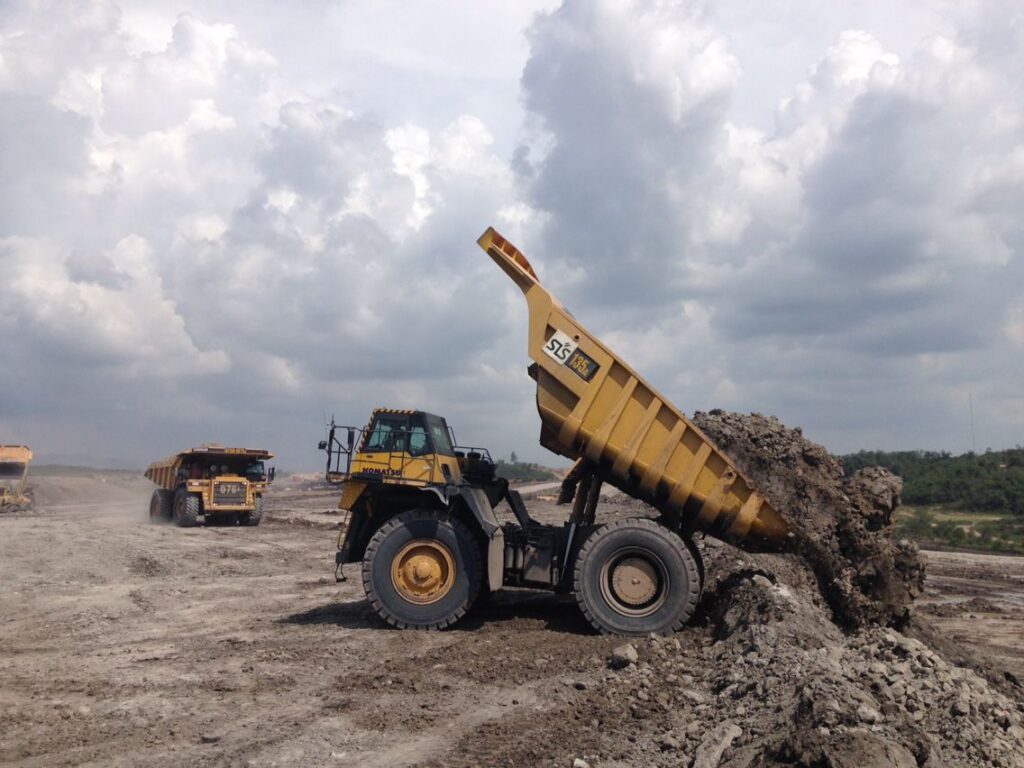
If you want a clear process, follow this:
Step 1: Measure the Amount
Estimate how much dirt you have:
- Small: a few bags
- Medium: pickup truck load
- Large: multiple truckloads
Step 2: Clean and Sort the Dirt
Remove:
- Trash
- Roots
- Rocks
Clean dirt is easier to reuse or donate.
Step 3: Choose the Right Disposal Method
- Small → reuse or trash (if allowed)
- Medium → landfill or donation
- Large → professional service
Step 4: Transport Safely
- Use heavy-duty bags
- Cover loads during transport
- Avoid overloading vehicles
Eco-Friendly Dirt Disposal
Here are smarter alternatives:
1. Composting Support
Dirt can be used as a base layer for compost systems.
2. Land Restoration Projects
Some projects require soil for leveling or rebuilding land.
3. Erosion Control
Excess dirt can help prevent soil erosion in certain areas.
Key takeaway:
Before asking where to throw dirt away, always check if it can be reused.
What NOT to Do When Disposing of Dirt
Avoid these common mistakes:
Illegal Dumping
- Harmful to the environment
- Can result in fines
Mixing Dirt with Garbage
- Makes recycling impossible
- Increases landfill waste
Ignoring Local Regulations
Different areas have strict rules about soil disposal.
Cost Breakdown: How Much Does It Cost to Dispose of Dirt?
Understanding costs helps you choose the best method.
| Method | Average Cost |
|---|---|
| Landfill | $20 – $100 |
| Junk removal | $150 – $600+ |
| Recycling center | Free – $50 |
| Donation | Free |
Money-saving tip:
If you’re dealing with large amounts, hiring professionals may actually save time and effort.
When Should You Hire a Professional?
Consider expert help if:
- You have contaminated dirt
- The volume is too large
- You lack transport equipment
Professionals ensure:
- Safe handling
- Legal compliance
- Faster results
Always hire a well-reputed company for junk removal to ensure reliable service and proper disposal.
Pro Tips Most People Don’t Know
- Dry dirt is lighter and cheaper to dispose of
- Clean fill dirt is valuable—don’t waste it
- Listing dirt online often gets fast responses
- Always confirm landfill policies beforehand
Conclusion: The Smart Way to Dispose of Dirt
So, how do you dispose of dirt in the best way possible?
It’s not just about getting rid of it—it’s about making the right choice based on your situation.
Instead of immediately searching for how to get rid of dirt or where to throw dirt away, take a moment to evaluate your options.
In many cases, dirt can be reused, donated, or recycled—saving you time, money, and effort.
If you’re dealing with a large or complex cleanup, professional services can simplify the process and ensure everything is handled correctly.
The best disposal method is the one that is safe, legal, cost-effective, and environmentally responsible.