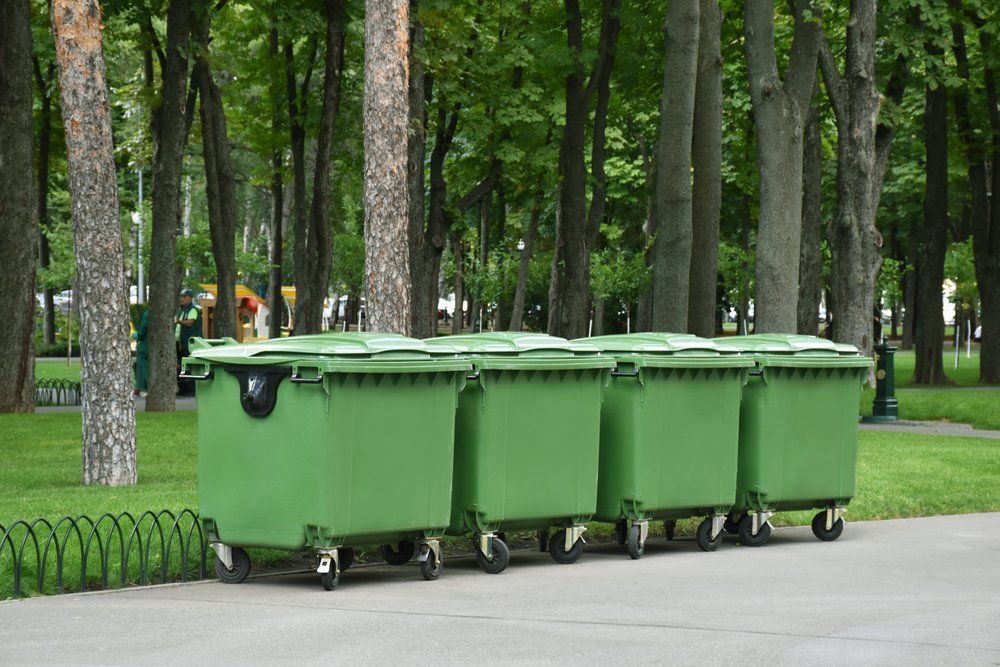
You’re walking back to your car with a bag of trash that won’t fit in your own bin, and there it is: a dumpster behind the store, lid half open, looking pretty roomy. Is it really a big deal to just toss it in?
Short answer: yes, it usually is a big deal. In nearly every U.S. state, putting your trash in a dumpster you don’t own or don’t have permission to use is illegal, even if it’s just one bag. It doesn’t matter whether the dumpster belongs to a business, a neighbor, or a construction site; if you don’t have the owner’s okay, you’re breaking the law.
That said, the rules aren’t identical everywhere, and the consequences depend on a few specific factors. This guide breaks down exactly Is It Illegal to Dump Trash in a Dumpster? when dumpster use crosses the line, what the law actually calls it, what penalties look like, and what to do instead if you’re stuck with extra trash.
This article is for general information only and isn’t legal advice. Laws vary by city and state, so check your local ordinances or talk to an attorney if you’re dealing with a specific situation.
The Short Answer: Is Dumping Trash in Someone Else’s Dumpster Illegal?
Yes. Putting trash in a dumpster you don’t have permission to use is illegal in every U.S. state, though the exact charge depends on where you live. It typically falls under one of three legal categories:
- Illegal dumping a violation of state or local environmental and waste codes
- Theft of services you’re using a paid disposal service (someone else’s trash contract) without paying for it
- Trespassing if the dumpster sits behind a fence, gate, or on posted private property
The amount of trash doesn’t change whether it’s illegal. A single bag counts the same as a truckload under most laws; it just affects how serious the penalty ends up being.
Understanding Dumpster Ownership and Property Rights
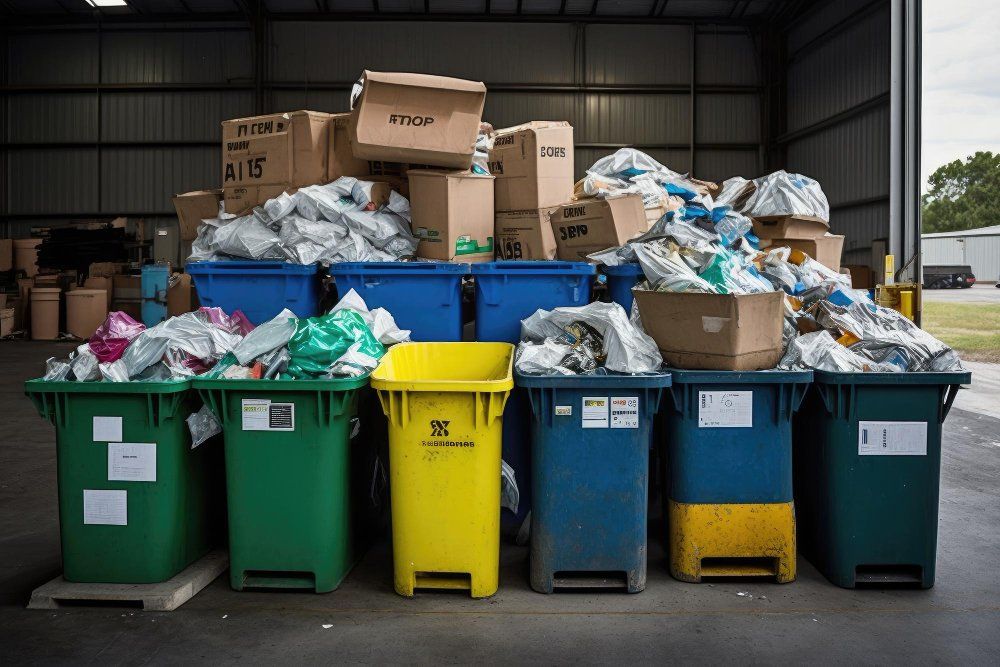
Here’s the part a lot of people miss: dumpsters aren’t community property, even when they’re sitting out in the open behind a strip mall or apartment complex. Businesses and property owners pay waste hauler companies like Waste Management or Republic Services a monthly fee based on the dumpster’s size and expected weight. Every bag someone sneaks in that they didn’t account for eats into that paid-for capacity.
That’s why unauthorized dumping isn’t just “rude.” It’s treated legally the same way as using a service without paying for it, because in a real sense, that’s exactly what’s happening.
Can You Throw Trash in a Business Dumpster?
Generally, no. Unless you’re a customer disposing of something directly related to your visit (such as a coffee cup from that business) or an employee using the dumpster as part of your job, you should not use a business dumpster. Dumping household garbage, moving boxes, or yard waste into a business’s dumpster without permission is considered unauthorized use. So, is it illegal to dump trash in a dumpster? In many cases, yes. If the dumpster is privately owned or rented by a business, using it without the owner’s permission may violate local ordinances and could result in fines or other legal consequences.
Is It Illegal to Throw Trash in Someone Else’s Dumpster?
Yes, whether it belongs to a neighbor, a landlord, or a company. As legal explainers on this topic note, the legality comes down entirely to authorization, not the physical act of putting something in a bin (logaloverview). If a friend or neighbor tells you it’s fine, that verbal permission is enough. Without it, you’re in violation
Is It Illegal to Use Someone Else’s Trash Bin?
It depends on the type of bin. Curbside residential bins are often governed by local sanitation codes rather than criminal statutes, but the principle is the same: it’s illegal to put trash in someone else’s trash can without permission, though the specifics get more complicated depending on your city. Some municipal codes are explicit about it. Seattle’s municipal code, for example, makes it unlawful for anyone not authorized by the property owner or occupant to deposit trash in their receptacle.
Commercial Dumpsters: Special Rules to Know
Is It Illegal to Dump Trash in a Commercial Dumpster?
Yes. Commercial dumpsters operate under service contracts with strict weight and volume limits. Unauthorized use can increase costs for the owner, such as overage fees for exceeding weight limits or triggering additional pickup. That’s a direct financial hit to a business, which is part of why enforcement tends to be more consistent for commercial containers than for residential ones.
Can You Throw Trash in a Store Dumpster?
This is one of the most common misconceptions that a dumpster sitting outdoors in a parking lot is fair game because it’s “out in public.” It isn’t. As The Savvy Blog explains, even dumpsters that appear public, like those behind a shopping plaza or next to a construction site, are usually paid for by a private company and designated for specific use, and tossing trash in them without permission is typically illegal. Many businesses go a step further and enclose their dumpsters specifically to keep this from happening. Entering an enclosure to dump trash without permission can add a trespassing charge on top of a dumping fine.
What Happens If You Illegally Dump Rubbish?
Penalties vary significantly depending on your state, the type of waste, and whether it’s a first offense, but they’re rarely trivial. A few real examples from actual state law:
- California: Under Penal Code Section 374.3, unauthorized dumping of waste on property that isn’t yours is a misdemeanor, with first-offense fines up to $1,000 plus possible community service. Separately, some California illegal dumping violations can carry fines up to $20,000 depending on volume and materials involved.
- Texas: Health and Safety Code Section 365.012 allows fines up to $2,000 for a first violation involving under 500 pounds of waste.
- New Jersey: Penalties can reach as high as $50,000, along with possible arrest and forfeiture of the vehicle used to transport the waste.
- New York: Beyond illegal dumping charges, prosecutors can pursue theft of services under Penal Law Section 165.15 if you knowingly used a dumpster without the renter’s consent.
- Virginia: Illegal dumping on private property can violate state law under Code Section 33.2-802, with fines commonly ranging from $100 to $2,500.
In most states, a first-time, small-scale offense (one bag, no hazardous materials) is treated as a low-level misdemeanor with a fine in the low hundreds of dollars. Repeat offenses, large volumes, hazardous or construction waste, and cases involving trespassing onto fenced or gated property escalate quickly toward felony territory, larger fines, and in rare cases, jail time.
Beyond legal penalties, there’s often a civil angle too: property owners can sue to recover cleanup costs, overage fees, or the cost of a second dumpster rental if their container gets overloaded because of someone else’s trash.
How to Prevent Illegal Dumping in Your Dumpster
If you’re a business or property owner dealing with this from the other side, there are practical, low-cost steps that make a real difference:
Enclose or lock the dumpster
A gated enclosure, chain, or padlock removes the “it was just sitting there” excuse and adds a trespassing charge for anyone who bypasses it.
Post visible signage
A simple “No Trespassing” or “No Unauthorized Dumping” sign strengthens both deterrence and any future legal case.
Improve lighting and camera coverage
Most unauthorized dumping happens at night; visibility and cameras cut down on it significantly.
Keep the dumpster away from public walkways
Distance and inconvenience discourage passersby from treating it as a shortcut.
Cover it when not in active use
A tarp or lid makes a container look less accessible and less abandoned.
Report repeat offenders
If you can identify who’s responsible, mail with a name on it, security footage, a license plate, local code enforcement, or police can act on it, and your waste hauler’s investigation team may also get involved for commercial accounts.
The EPA’s Illegal Dumping Prevention Guide also outlines community-level strategies, including mapping frequent dumping sites and building local enforcement partnerships, for anyone dealing with a recurring problem beyond a single dumpster.
Legal Alternatives If You Need Extra Trash Disposal
If you’re the one with more trash than your bin can hold, there are several legal and often cheap or free options:
Rent a dumpster
If your project is too big for regular curbside pickup, a temporary roll-off dumpster is a much better solution than using someone else’s dumpster. Before booking one, take a look at our What Dumpster Size Do You Need? guide to make sure you’re renting the right size for the amount of waste you expect to generate.
Schedule a municipal bulk pickup
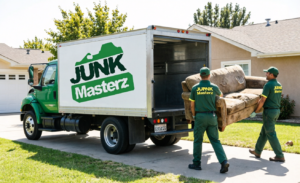
Most cities offer periodic bulk waste collection for large items and excess trash, sometimes at no extra cost. If municipal pickup isn’t available or your project involves a significant amount of debris, hire a licensed and reputable junk removal company to ensure your items are removed safely, disposed of legally, and recycled or donated whenever possible. Professional junk removal services can also save you time while ensuring your waste is handled in compliance with local regulations
Use a local drop-off or recycling center
Many counties operate free or low-cost drop-off sites for household waste, yard debris, and recyclables.
Ask first
If a neighbor’s or nearby business’s dumpster genuinely has room, simply asking permission turns an illegal act into a perfectly legal one. It costs nothing and takes thirty seconds.
Conclusion
Whether a dumpster is behind a store, next to a construction site, or sitting in your neighbor’s driveway, the same rule applies: if you don’t have permission to use it, putting your trash in it is illegal. It’s not about how full the dumpster looks or how small your bag is; it comes down entirely to authorization.
If you’re dealing with more trash than you know what to do with, it’s almost always cheaper and simpler to rent a dumpster, schedule a bulk pickup, or just ask than to risk a fine or worse, a trespassing charge. And if you’re on the other side, dealing with people dumping in your dumpster, a lock, a sign, and a bit of visibility go a long way.
Have a specific situation you’re not sure about? Check your city or county’s municipal code, or reach out to a local waste management provider; most are happy to point you toward the legal disposal option that fits your needs.
Frequently Asked Questions
Can I throw trash in any dumpster?
No. Unless you’re the owner, a tenant with authorized access, or you’ve been given explicit permission, using any dumpster you don’t have rights to counts as unauthorized dumping in nearly every state.
Is it illegal to throw trash in a store dumpster?
Yes, in almost all cases. Store dumpsters are paid for under private waste contracts, and using them without permission is treated as illegal dumping, sometimes with an added trespassing charge if the dumpster is enclosed or gated.
What happens if you illegally dump rubbish?
You could face a fine ranging from around $100 for a minor first offense up to several thousand dollars for larger or repeat violations, plus possible community service or, in serious cases, jail time. Property owners can also pursue civil claims for cleanup or overage costs.
Is it illegal to use someone else’s trash bin?
Generally yes, though enforcement for curbside residential bins tends to be less strict than for commercial dumpsters. Some cities have specific ordinances like Seattle’s that make unauthorized use of another person’s receptacle explicitly unlawful.
Can businesses report you for dumping in their dumpster?
Yes. Businesses can report unauthorized dumping to local police or code enforcement, and many waste haulers have their own investigation teams for repeat commercial account misuse.