
Trash. We create it every single day, yet few of us pause to consider what really happens after we toss it away. Have you ever stopped to think how long does trash live once it leaves your home? The answer may surprise you. While some waste, like food scraps or paper, decomposes in weeks or months, other items—plastics, metals, and glass—can linger in landfills for decades or even centuries, quietly impacting the environment and wildlife.
But it’s not just the trash itself that matters—our tools for managing waste, like bins and containers, play a role too. Thinking about how long does a trash can lives can influence when and how we replace or maintain them, ensuring that we minimize environmental impact while keeping our homes tidy.
What Does “Trash Lifespan” Mean?
Trash lifespan means the time it takes for waste to break down naturally in the environment.
This process is called decomposition.
Different types of trash break down at different speeds depending on:
- Material type
- Weather conditions
- Presence of bacteria
- Whether it is in landfills or open environments
For example:
- A banana peel disappears quickly
- A plastic bottle can last for centuries
That is why learning how long does trash live is important for environmental protection.
Understanding these waste management timelines can help us make better choices about what we throw away.
How Long Does Trash Live in General?
Trash does not all behave the same way. Some items break down fast, while others last almost forever.
Here is a simple breakdown:
- Fast-decomposing trash: weeks to months
- Medium-decomposing trash: months to years
- Slow-decomposing trash: decades to centuries
The biggest problem is that most modern waste includes materials that last extremely long, especially plastics and metals.
Decomposition Timeline: How Long Different Trash Lives
Different materials have drastically different lifespans. Here’s a breakdown:
1. Plastic Waste
-
Lifespan: 450–1000 years, depending on type.
-
Plastics are notoriously slow to decompose and often break into microplastics, polluting oceans and harming wildlife.
-
Environmental Tip: Reducing single-use plastics and recycling whenever possible minimizes long-term damage.
2. Paper and Cardboard
-
Lifespan: Paper ~2–6 weeks; cardboard up to 2 months.
-
These materials decompose quickly but should still be recycled to save trees and energy.
3. Metal Items
-
Lifespan: Aluminum cans ~200 years, steel items ~50 years.
-
Metals can corrode, but proper recycling drastically reduces environmental impact.
4. Glass
-
Lifespan: Virtually infinite if left in a landfill.
-
Glass is non-biodegradable but 100% recyclable, and reuse is highly encouraged.
5. Organic Waste
-
Lifespan: 1 month – 2 years, depending on material and whether composted.
-
Composting accelerates decomposition and returns nutrients to the soil.
Trash Lifespan Table
| Material | Decomposition Time | Notes |
|---|---|---|
| Plastic | 450–1000 years | Breaks into microplastics |
| Paper | 2–6 weeks | Biodegradable, but recycling is preferred |
| Cardboard | 2 months | Compostable if uncoated |
| Aluminum | 200 years | Highly recyclable |
| Steel | 50 years | Corrodes slowly |
| Glass | Infinite | Recyclable and reusable |
| Organic Waste | 1 month – 2 years | Composting accelerates decomposition |
How Long Does a Trash Can Live?
Trash cans themselves have a lifespan that varies by material:
-
Plastic Trash Cans: 5–10 years
-
Metal Trash Cans: 10–20 years
Prolonging a trash can’s life is simple: keep it clean, avoid exposure to harsh sunlight, and choose sturdy, high-quality materials. You can also consider eco-friendly bins made from recycled or biodegradable materials. Plastics can persist for centuries and break down into microplastics that harm marine life, as explained by Scientific American.
Environmental Impact of Long-Lasting Trash
When trash stays in the environment for too long, it causes serious problems.
1. Landfill Pollution
Landfills release gases like methane and take up huge land space.
2. Ocean Damage
Plastic waste harms fish, birds, and marine animals.
3. Soil and Water Contamination
Chemicals from waste can enter groundwater.
Every piece of trash that lingers in the environment has a direct and lasting impact on ecosystems. Plastics, metals, and other long-lasting materials can harm wildlife, contaminate soil and water, and disrupt natural processes. By understanding how long trash lives for, we can make more informed choices about what we throw away, how we recycle, and how we manage waste at home and in our communities. These small decisions collectively help reduce environmental damage and preserve biodiversity for future generations.
According to the United Nations Environment Programme (UNEP), plastic pollution is one of the most critical threats to ecosystems worldwide. Plastics can take hundreds of years to decompose, breaking down into microplastics that are ingested by marine life and birds. This not only harms wildlife but can also make its way up the food chain, ultimately affecting human health. UNEP emphasizes the importance of reducing single-use plastics, improving recycling systems, and promoting sustainable alternatives to mitigate these risks.
Furthermore, National Geographic highlights that trash accumulation, especially in oceans and waterways, has far-reaching consequences. From disrupting marine habitats to harming coastal wildlife, unmanaged waste poses serious threats to the planet. By understanding the lifespan of different types of trash and adopting responsible disposal practices, we can actively contribute to reducing this global problem.
Simple Ways to Reduce Waste Impact
You can reduce your trash footprint easily:
Reduce
Buy only what you need.
Reuse
Use containers and items again instead of throwing them away.
Recycle
Sort waste properly.
Compost
Turn food waste into soil.
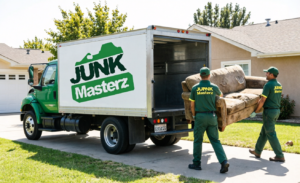
Use Junk Removal Services
Professional waste removal helps dispose of large items safely and responsibly.
Why Understanding Trash Lifespan Matters
Knowing how long trash lives helps us understand our impact on the planet.
Every item we throw away has a future. Some disappear quickly, but others remain for centuries.
By making better choices, we can:
- Reduce pollution
- Protect wildlife
- Save natural resources
Tips to Reduce Your Trash Lifespan Impact
Small changes can make a big difference:
-
Reduce: Buy only what you need, and avoid single-use items.
-
Reuse: Upcycle containers, donate old items.
-
Recycle: Sort recyclables correctly to keep materials in circulation.
-
Compost: Organic waste decomposes faster and enriches soil.
-
Community Actions: Participate in local clean-ups and recycling programs.
Conclusion
Knowing how long does trash live isn’t just an interesting fact—it’s crucial for protecting our environment. Plastics can persist for hundreds of years, metals and glass can last decades, and even seemingly harmless items like cardboard or paper take weeks to decompose. Organic waste may break down faster, but when mixed with non-biodegradable trash in landfills, it often produces harmful methane gases. By taking deliberate actions such as reducing what we buy, reusing items creatively, recycling properly, and composting organic materials, we can dramatically lower the environmental footprint of our everyday waste.
Every small step counts. Whether it’s separating recyclables, choosing eco-friendly packaging, or donating old items instead of discarding them, each action contributes to a healthier planet. Additionally, using affordable waste removal services ensures that large items, bulky waste, or old furniture are responsibly disposed of or recycled rather than ending up in landfills. These services make it easier for individuals and businesses to manage waste effectively without breaking the bank.
FAQs
1. How long does trash live in a landfill?
Trash lifespan varies: plastics can last up to 1000 years, metals 50–200 years, paper 2–6 weeks, and organic waste 1 month – 2 years.
2. Does recycling help reduce trash lifespan?
Yes! Recycling keeps materials in use, reduces landfill space, and speeds up decomposition indirectly by lowering demand for new raw materials.
3. Can a trash can really last decades?
Metal trash cans can last 10–20 years with proper care. Plastic cans generally last 5–10 years, depending on quality and exposure.
4. What is the fastest decomposing trash?
Organic food waste, paper, and cardboard decompose quickly, especially when composted.
5. How can I safely dispose of long-lasting trash like plastics?
Recycle at certified facilities, upcycle creatively, or participate in community programs for proper disposal.