
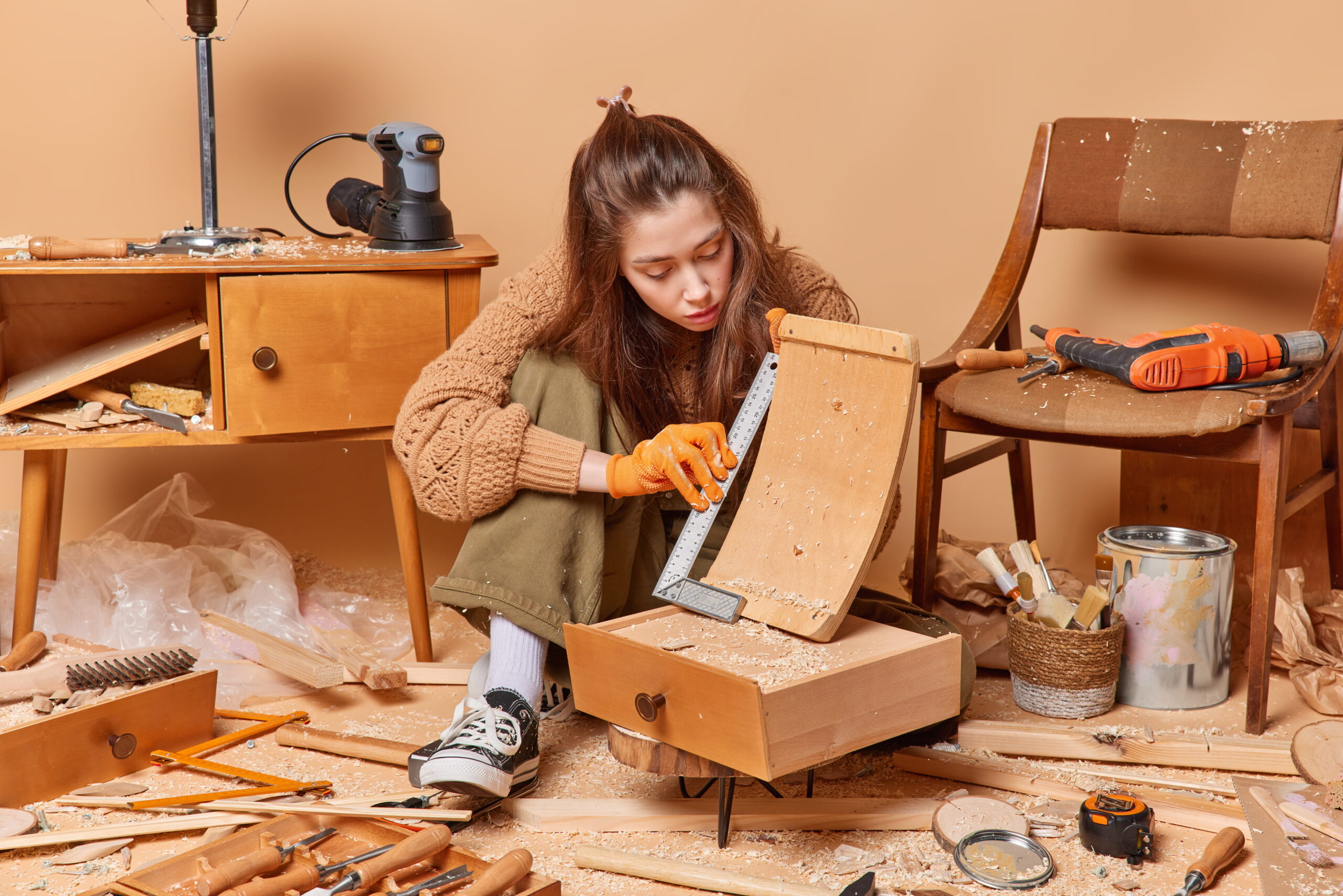
Old furniture often gets pushed into storage or thrown away when it starts to look worn out. Many people replace tables, chairs, or cabinets just because they no longer match their home style. Many people are now asking about how to upcycle old furniture and are looking for simple ways to reuse their old items instead of throwing them away. However, learning how to upcycle old furniture can help you turn these items into something useful and attractive again
Upcycling old furniture is a practical solution for homeowners who want to save money and reduce waste. Instead of buying new items, you can improve what you already have. This guide explains how to upcycle furniture step by step, along with creative ideas and expert tips to help you get started.
What Is Upcycling Furniture?
Before you begin, it is important to understand what upcycling means.
Upcycling is the process of improving an old or unused item without breaking it down into raw materials. It is different from recycling. Recycling changes materials into something new, while upcycling keeps the original structure and enhances it.
For example, you can:
- Turn an old dresser into a storage cabinet
- Repaint a table to give it a modern look
- Use wooden pallets to build a coffee table
Upcycling old furniture allows you to reuse items in creative ways while reducing waste.
Why More People Are Upcycling Old Furniture
The demand for upcycling old furniture has increased in recent years. There are several reasons behind this shift.
Saves Money
New furniture can be expensive. Upcycling allows you to improve existing items at a much lower cost. A small investment in paint or tools can completely change the look of furniture.
Reduces Waste
Large furniture items take up a lot of space in landfills. When you upcycle instead of throwing items away, you help reduce household waste.
Supports Sustainable Living
Upcycling reduces the need for new materials like wood and metal. This helps conserve natural resources and lowers environmental impact.
Encourages Creativity
You can design furniture that matches your personal taste. Instead of buying mass-produced items, you create something unique.
Provides a Better Alternative to Disposal
Many people search for ways to dispose of old furniture. Upcycling gives you another option before sending items to landfills or recycling centers.
How to Upcycle Old Furniture (Step-by-Step Guide)
If you are new to DIY projects, the process may seem difficult. However, learning how to upcycle your old furniture is easier when you follow simple steps.
Step 1: Choose the Right Furniture
Start with furniture that is still strong but looks outdated. Good options include wooden chairs, tables, cabinets, and dressers. Avoid items with major structural damage.
Step 2: Clean the Furniture
Remove dust, grease, and dirt using soap and water. Cleaning helps paint and finishes stick properly.
Step 3: Repair Minor Issues
Fix loose screws, cracks, or chipped areas. You can use wood filler and basic tools to make the furniture stable again.
Step 4: Sand the Surface
Sanding removes old paint and smooths the surface. This step prepares the furniture for a new finish.
Step 5: Paint or Refinish
Apply paint, polish, or stain depending on your design. Popular options include matte paint, natural wood finishes, or distressed styles.
Step 6: Replace Hardware
New handles, knobs, or legs can make a big difference. Small changes often improve the overall look of furniture.
By following these steps, you can easily learn how to upcycle furniture at home.
Creative Ideas for Upcycling Old Furniture
If you are looking for inspiration, there are many simple ways to reuse old items.
Turn Dressers into Storage Units
An old dresser can be repainted and used as a storage cabinet for bedrooms or hallways.
Convert Doors into Tables
Old wooden doors can be transformed into dining tables or desks by adding legs.
Use Bookshelves for Kitchen Storage
Bookshelves can be reused to organize kitchen items or pantry supplies.
Make Plant Stands from Chairs
Broken chairs can hold plants and work as decorative pieces.
Create Coffee Tables from Pallets
Wooden pallets are commonly used in DIY projects. With sanding and finishing, they can become modern tables.
These old furniture recycling ideas are simple and cost-effective.
Common Mistakes to Avoid When Upcycling Furniture
Many beginners make small mistakes that affect the final result. Avoid these issues when learning how to upcycle old furniture.
- Skipping cleaning before painting
- Not sanding the surface properly
- Using low-quality paint
- Ignoring small repairs
- Choosing furniture with severe damage
Taking the time to properly prepare the furniture leads to better results.
When Furniture Cannot Be Upcycled
Not every piece of furniture can be saved. Some items may be too damaged to repair.
Examples include:
- Broken frames that cannot be fixed
- Mold-infested furniture
- Water-damaged materials
In these cases, it is better to choose proper disposal methods. Recycling programs or professional removal services can handle large furniture safely. According to global waste statistics and furniture disposal impact, furniture contributes significantly to landfill waste each year.
Tips from Professional Furniture Upcyclers
Experienced furniture upcyclers follow simple practices to achieve better results.
Start with small projects if you are a beginner. Items like stools or side tables are easier to handle. Use good-quality tools because they improve your work. Choose durable paints that last longer and protect the surface.
It is also helpful to study modern design trends. Styles like minimal, rustic, and industrial are popular and easy to recreate. If a piece cannot be restored, you can explore how to dispose of large furniture safely or consider professional junk removal services to handle unwanted items in an environmentally responsible way.
Environmental Benefits of Upcycling Old Furniture
Upcycling old furniture is not only useful for your home but also beneficial for the environment.
Reduces Landfill Waste
Furniture takes years to break down. Upcycling keeps items in use for a longer time.
Conserves Natural Resources
Reusing furniture reduces the need for new wood and raw materials.
Saves Energy
Manufacturing new furniture requires energy. Upcycling reduces production demand.
Supports Circular Economy
Items are reused instead of discarded, which helps create a sustainable system. Learning about the benefits of recycling and reducing household waste from Nationalgeographic.com can help homeowners make environmentally responsible choices when disposing of old furniture.
Upcycling vs Recycling Old Furniture
Many people confuse upcycling with recycling old furniture.
Recycling breaks down materials into raw form to create new products. Upcycling improves the existing item without destroying it.
Upcycling is often the better choice because it saves energy and keeps the original structure intact. However, if an item cannot be reused, it is important to know the proper methods to dispose of old furniture, such as donating usable pieces, recycling materials, or using professional removal services for safe and responsible disposal
When Furniture Cannot Be Upcycled
Although upcycling works for many items, some furniture pieces may be too damaged to repair. For example:
-
Severely broken frames
-
Mold-infested materials
-
Water-damaged particle board
In such cases, proper disposal becomes necessary. Many homeowners choose professional junk removal services to handle large furniture items responsibly.
Companies like Junk Masterz help homeowners safely remove unwanted furniture while prioritizing recycling and environmentally responsible disposal.
Tips from Professional Furniture Upcyclers
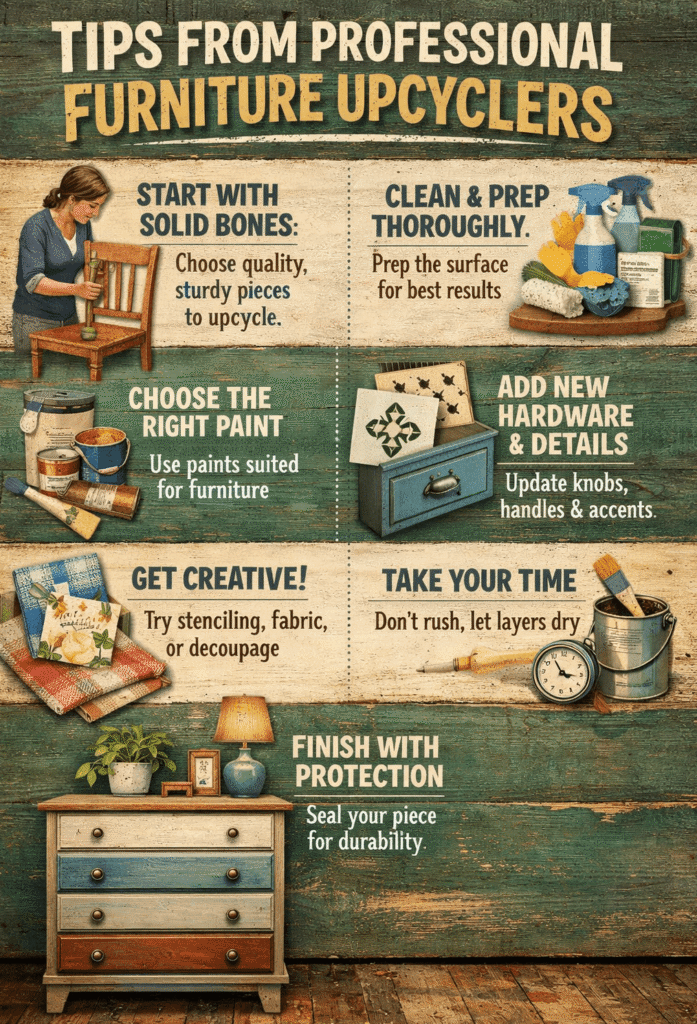
Experienced furniture upcyclers follow several best practices to achieve high-quality results.
Start with Small Projects
Beginners should begin with simple items such as stools or side tables before attempting large furniture pieces.
Invest in Quality Tools
Basic tools like sanders, brushes, and clamps can significantly improve the quality of your work.
Choose Durable Paints
Furniture experiences daily wear. Using high-quality paints and finishes ensures long-lasting results.
Study Design Trends
Many furniture upcycling ideas are inspired by modern interior design trends such as farmhouse, minimalist, and industrial styles.
Conclusion
Learning how to upcycle old furniture is a practical and rewarding way to transform outdated household items into functional and stylish pieces. Whether you are repainting a chair, converting a dresser into a vanity, or building a coffee table from pallets, furniture upcycling allows homeowners to combine creativity with sustainability.
Beyond saving money, upcycling helps reduce environmental waste and supports responsible consumption. Many professional furniture upcyclers have turned this practice into a thriving craft that blends design, restoration, and innovation.
However, not every furniture piece can be restored. When items are beyond repair, responsible disposal is essential. Professional services like contact us, we help homeowners remove unwanted furniture while ensuring environmentally friendly waste management.
Frequently Asked Questions
What does upcycling furniture mean?
Upcycling furniture means transforming old or unwanted furniture into something more useful, attractive, or valuable without breaking it down into raw materials. It often involves painting, repairing, or repurposing furniture for a new purpose.
What is the difference between upcycling and recycling furniture?
Recycling breaks materials down to create new products, while upcycling improves the original furniture item without destroying its structure. Upcycling typically preserves more of the original material.
What furniture items are best for upcycling?
Wooden furniture such as dressers, tables, cabinets, and chairs are ideal for upcycling because they are durable and easier to repair or repaint.
Is furniture upcycling expensive?
Most upcycling projects are inexpensive compared to buying new furniture. Costs usually involve paint, tools, and replacement hardware.
Can beginners learn how to upcycle furniture easily?
Yes. Beginners can start with simple projects like repainting small tables or stools. With practice, they can move on to more advanced furniture transformations.
Why is furniture upcycling environmentally friendly?
Furniture upcycling reduces landfill waste, conserves natural resources, and extends the life cycle of household items, making it a sustainable alternative to disposal.