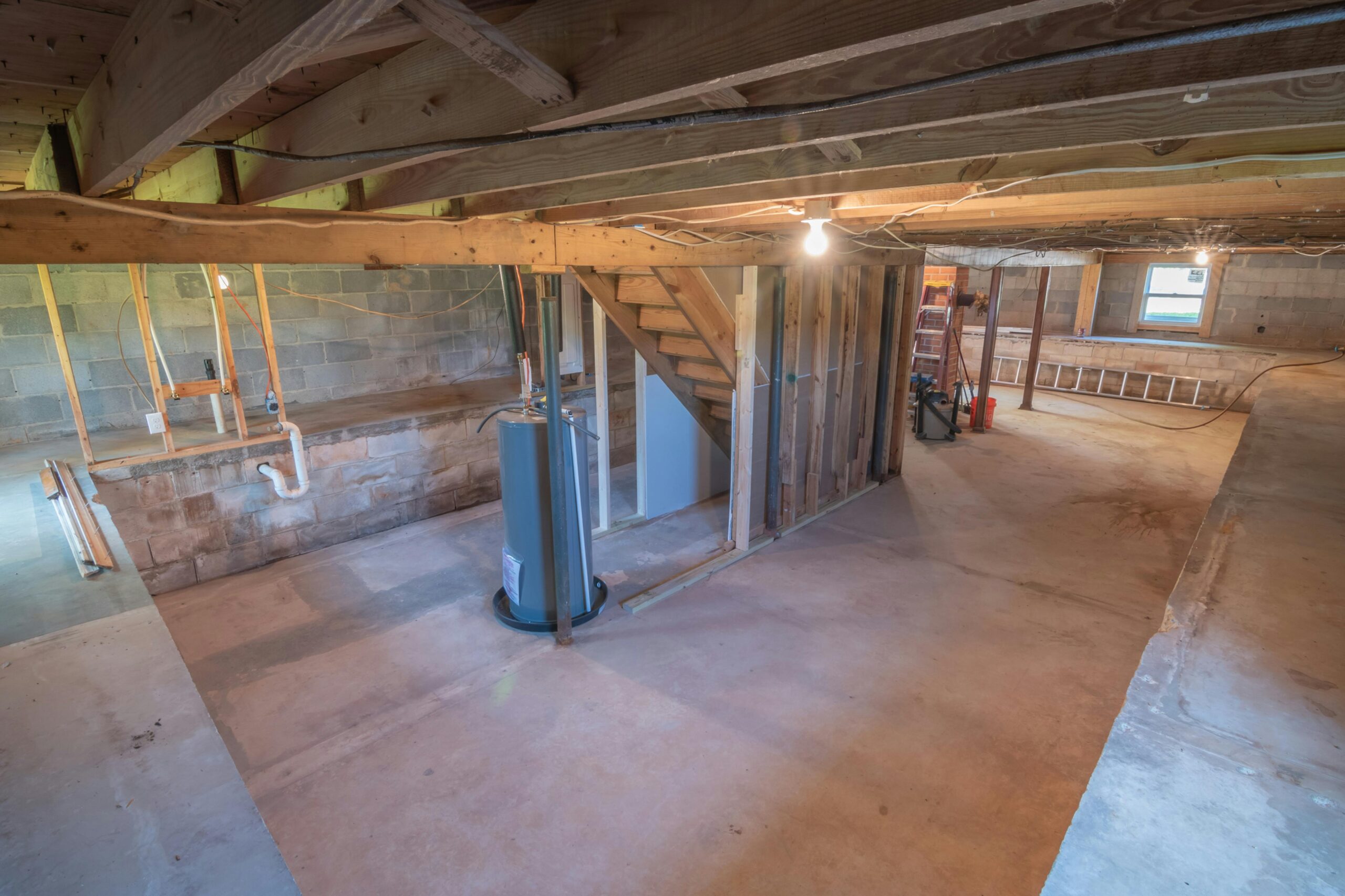
A basement is one of the most valuable yet underused spaces in many homes. Instead of leaving it unfinished or used only for storage, homeowners can transform it into a comfortable living area, home office, entertainment room, or even a rental suite. Knowing how to finish a basement can significantly increase both the functionality and value of your property.
However, finishing a basement is not just about adding drywall and flooring. It requires careful planning, moisture protection, insulation, electrical work, and compliance with local building codes. Without the right approach, homeowners can face issues like mold growth, poor ventilation, or structural damage.
This guide explains the best way to finish a basement using practical, easy-to-follow steps. Whether you plan to complete the project yourself or hire professionals, understanding the how to finish basement steps will help you avoid costly mistakes and create a safe, comfortable space.
By the end of this guide, you’ll have a clear roadmap, expert tips, and realistic expectations for completing a successful basement renovation.
Why Finishing a Basement Is a Smart Home Investment?

Finishing a basement offers multiple advantages for homeowners.
Increased Living Space
An unfinished basement can be converted into a guest bedroom, entertainment room, gym, office, or playroom. This additional square footage improves comfort and usability.
Higher Property Value
Real estate experts often note that finished basements can significantly increase resale value. Buyers appreciate extra living space that does not require further renovation.
Improved Energy Efficiency
Proper insulation and wall finishing help regulate temperature, reducing heating and cooling costs.
Rental or Income Potential
In some areas, homeowners convert finished basements into legal rental units, creating a new source of income.
When considering the best way to finish a basement, think about long-term goals. Designing the space for flexibility ensures it can adapt to changing needs.
Planning Your Basement Renovation
Planning is the most important stage when learning how to finish a basement successfully.
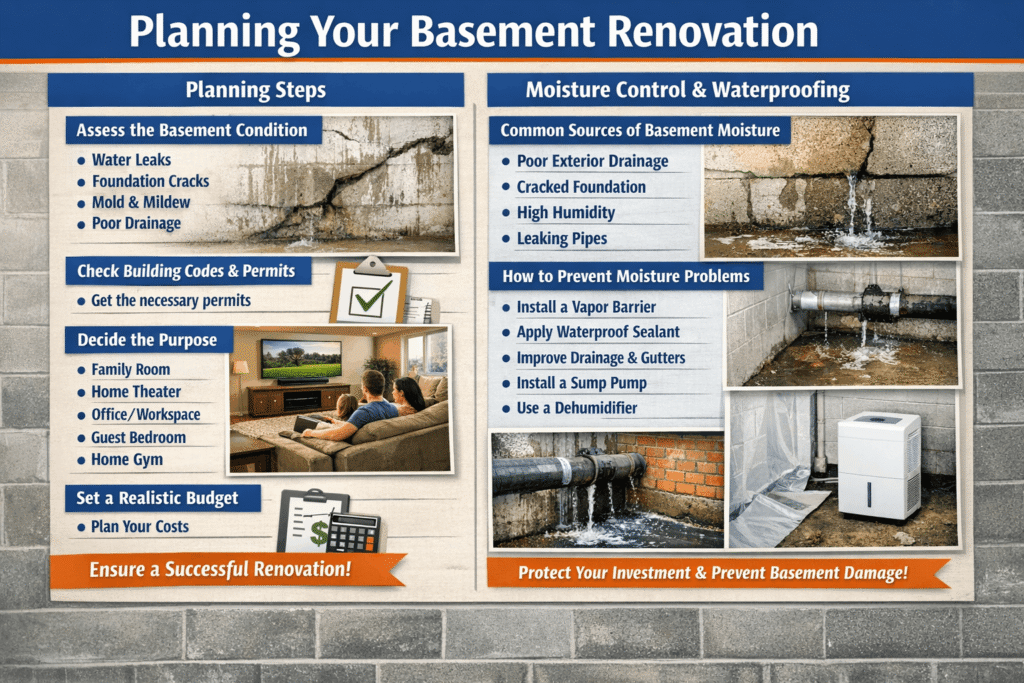
Assess the Basement Condition
Before beginning construction, inspect for:
-
Water leaks
-
Foundation cracks
-
Mold or mildew
-
Poor drainage
These issues must be fixed before any renovation begins.
Check Local Building Codes and Permits
Many municipalities require permits for electrical, plumbing, and structural work. Ignoring regulations can cause problems during resale or inspections.
Decide the Purpose of the Basement
The design will depend on how the space will be used. Common finished basement ideas include:
-
Family entertainment room
-
Home theater
-
Office or workspace
-
Guest bedroom
-
Home gym
Set a Realistic Budget
Basement finishing costs vary depending on materials, labor, and square footage. Planning early helps prevent unexpected expenses.
Following these steps ensures a smoother renovation process.
Moisture Control and Waterproofing
Moisture is one of the biggest challenges when finishing a basement.
Without proper waterproofing, homeowners risk mold growth, damaged walls, and unpleasant odors.
Common Sources of Basement Moisture
-
Poor exterior drainage
-
Cracked foundation walls
-
High humidity levels
-
Leaking pipes
How to Prevent Moisture Problems
Experts recommend these solutions:
-
Install a vapor barrier
-
Use waterproof sealants on foundation walls
-
Improve exterior drainage and gutters
-
Install a sump pump if necessary
-
Use a dehumidifier to control humidity
After waterproofing is complete, framing is the next stage in the how to finish basement steps.
Framing creates the structure for walls, doors, and room divisions.
Basic Framing Process
-
Measure and mark the layout.
-
Install pressure-treated bottom plates.
-
Build wall frames using wooden or metal studs.
-
Secure frames to floor joists above.
-
Leave space for electrical outlets and plumbing lines.
Tips for Basement Framing
-
Maintain a gap between concrete walls and framing to avoid moisture contact.
-
Use pressure-treated wood for areas touching concrete.
-
Plan wall locations carefully before construction begins.
Good framing ensures a strong and durable structure for drywall and insulation.
Electrical, Plumbing, and Insulation
Before closing walls with drywall, electrical wiring, plumbing, and insulation must be installed.
Electrical Installation
Basements typically require:
-
Lighting fixtures
-
Wall outlets
-
Dedicated circuits for appliances
-
Smoke detectors
Hiring a licensed electrician ensures compliance with safety codes.
Plumbing Considerations
If the basement includes a bathroom or kitchenette, plumbing lines must be installed during this stage.
Insulation Options
Proper insulation improves comfort and energy efficiency.
Common basement insulation materials include:
-
Rigid foam boards
-
Spray foam insulation
-
Fiberglass batts
Insulation also helps control moisture and temperature fluctuations.
When planning how to finish basement steps, installing insulation properly is essential for creating a comfortable living environment.
Drywall, Flooring, and Ceiling Installation

Once framing and utilities are complete, the finishing stage begins.
Drywall Installation
Drywall panels are attached to wall studs and then taped, mudded, and sanded to create smooth walls.
Moisture-resistant drywall is often recommended for basements.
Basement Flooring Options
Not all flooring works well in basements due to humidity.
Popular choices include:
-
Vinyl plank flooring
-
Engineered wood
-
Tile flooring
-
Carpet tiles with moisture barriers
Ceiling Choices
Basements often use drop ceilings or drywall ceilings.
Drop ceilings provide easier access to electrical wiring and plumbing lines, while drywall ceilings create a more polished look.
Choosing the right materials is key when determining the best way to finish a basement.
You May Also Read: What is the best way to dispose of drywall?
Lighting, Ventilation, and Safety
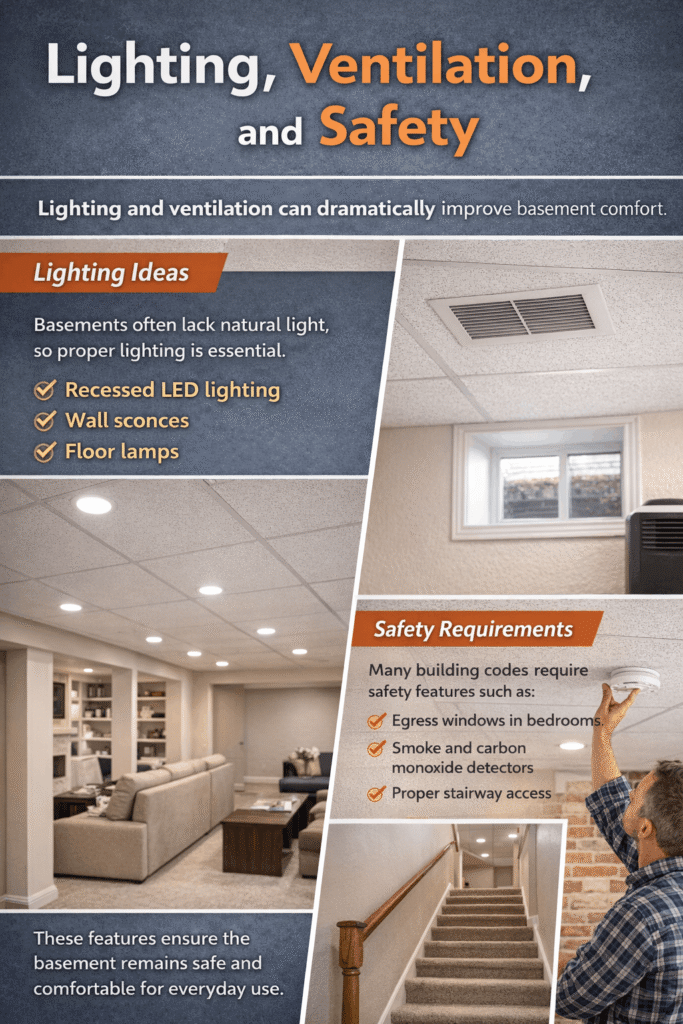
Lighting and ventilation can dramatically improve basement comfort.
Lighting Ideas
Basements often lack natural light, so proper lighting is essential.
Common solutions include:
-
Recessed LED lighting
-
Wall sconces
-
Floor lamps
Ventilation
Proper airflow prevents humidity and stale air.
Install:
-
HVAC vents
-
Exhaust fans
-
Dehumidifiers
Safety Requirements
Many building codes require safety features such as:
-
Egress windows in bedrooms
-
Smoke and carbon monoxide detectors
-
Proper stairway access
These features ensure the basement remains safe and comfortable for everyday use.
Final Design and Decoration Tips
After construction is complete, thoughtful design choices can turn a finished basement into a warm and welcoming space that feels like a natural extension of the home. The right layout, lighting, and décor can make the area more comfortable and functional for everyday use.
Consider these tips for finishing a basement effectively:
-
Use light paint colors to make the basement feel larger and brighter, especially in spaces with limited natural light.
-
Add mirrors or reflective surfaces to help distribute light throughout the room and create a more open appearance.
-
Choose multifunctional furniture such as sofa beds, storage ottomans, or foldable tables to maximize usability in smaller areas.
-
Install smart storage solutions like built-in shelves, cabinets, or under-stair storage to keep the space organized and clutter-free.
-
Use layered lighting including recessed lights, floor lamps, and wall sconces to brighten dark corners and improve the overall atmosphere.
-
Select moisture-resistant flooring materials such as vinyl plank or tile to ensure durability in basement environments.
-
Create designated zones for activities like entertainment, work, or relaxation to make the basement more practical and enjoyable.
-
Add decorative elements like rugs, wall art, and comfortable seating to give the space a cozy and inviting feel.
Many homeowners also choose to work with experienced professionals to ensure the finishing process runs smoothly. During basement renovation projects, companies like Junk Masterz help homeowners by removing construction debris removal and handling cleanup, making the entire basement finishing process more organized and stress-free.
Conclusion
Learning how to finish a basement can transform an unused area into one of the most functional parts of your home. By following the right steps—planning carefully, controlling moisture, framing properly, installing utilities, and choosing durable materials—you can create a comfortable and valuable living space.
The best way to finish a basement always starts with preparation and attention to detail. Addressing structural concerns, following local building codes, and using moisture-resistant materials ensures long-term success.
Whether you want a home theater, guest suite, office, or recreation room, a finished basement adds flexibility and increases property value.
With the right approach and careful planning, homeowners can confidently complete a basement renovation that enhances both lifestyle and home investment.
FAQS
How much does it cost to finish a basement?
The cost to finish a basement usually ranges between $20,000 and $70,000 depending on the size of the basement, materials used, labor costs, and additional features such as bathrooms or kitchens. Simple renovations cost less, while full living spaces require higher budgets.
What is the best way to finish a basement?
The best way to finish a basement is to start with moisture control and proper insulation. After that, install framing, electrical wiring, plumbing, drywall, flooring, and lighting. Following these how to finish basement steps ensures the space remains safe, comfortable, and durable.
How long does it take to finish a basement?
Most basement finishing projects take between four and eight weeks. The timeline depends on the complexity of the renovation, inspections, permit approvals, and whether professionals or DIY methods are used.
Can you finish a basement yourself?
Some homeowners complete basement finishing projects themselves, especially tasks like painting or installing flooring. However, electrical work, plumbing, and structural changes should usually be handled by licensed professionals to ensure safety and compliance with building codes.
What flooring works best in a basement?
Vinyl plank flooring, tile, and engineered wood are some of the best flooring choices for basements because they resist moisture and temperature changes better than traditional hardwood flooring.
Is finishing a basement worth it?
Finishing a basement is often considered a worthwhile investment because it adds usable living space and can increase a home’s resale value. Many homeowners use finished basements as entertainment rooms, home offices, guest bedrooms, or rental units. When done properly using the best way to finish a basement—such as installing moisture protection, proper insulation, and safe electrical systems—it can significantly improve both comfort and property value.
What should you do before finishing a basement?
Before starting a basement renovation, homeowners should inspect the space for moisture problems, foundation cracks, or drainage issues. These problems must be repaired before any construction begins. It is also important to check local building codes, obtain permits if required, and create a detailed renovation plan. These preparation steps are a critical part of understanding how to finish basement projects safely and efficiently.
What are the most important steps when finishing a basement?
The most important how to finish basement steps include waterproofing the space, installing framing for walls, running electrical wiring and plumbing, adding insulation, and finishing with drywall and flooring. Each step must be completed carefully to prevent future issues such as mold growth or structural damage. Proper planning and execution ensure the basement remains comfortable and functional for many years.
Do you need permits to finish a basement?
In many areas, finishing a basement requires building permits, especially when electrical, plumbing, or structural changes are involved. Permits ensure the renovation meets safety standards and local building codes. Skipping permits can create legal problems and may reduce property value when selling a home. Checking local regulations is an essential step when learning how to finish basement renovations properly.
How do you keep a finished basement dry?
Keeping a finished basement dry starts with controlling moisture and improving drainage around the home. Homeowners should seal foundation cracks, install vapor barriers, and maintain proper gutter systems to direct water away from the house. Dehumidifiers and proper ventilation also help control humidity levels. Moisture prevention is one of the most important tips for finishing a basement successfully.
What type of insulation is best for a basement?
Rigid foam boards and spray foam insulation are often considered the best insulation options for basements because they resist moisture and provide strong thermal protection. Fiberglass insulation can also be used if installed with proper vapor barriers. Choosing the right insulation helps regulate temperature and prevents condensation issues, which is an important part of the best way to finish a basement.
Can you add a bedroom in a finished basement?
Yes, many homeowners add bedrooms to finished basements, but they must meet safety requirements such as egress windows and proper ventilation. An egress window allows occupants to escape during emergencies and is required by most building codes. Ensuring these safety features are installed is an essential step in the process of how to finish basement living spaces.
How can you make a basement feel brighter?
Basements often feel dark because they have limited natural light. Homeowners can make the space brighter by installing recessed LED lighting, using light-colored paint on walls, and adding mirrors to reflect light throughout the room. Choosing lighter flooring and furniture can also help the space feel larger and more welcoming.
What mistakes should you avoid when finishing a basement?
One of the biggest mistakes homeowners make is ignoring moisture issues before construction begins. Other common mistakes include poor insulation, inadequate lighting, and failing to follow building codes. Taking time to plan the layout and materials carefully is one of the best tips for finishing a basement without costly problems later.
What rooms can you create in a finished basement?
A finished basement can serve many purposes depending on your needs and available space. Popular options include home theaters, guest bedrooms, family entertainment rooms, gyms, offices, and playrooms. Some homeowners even create small apartments or rental units. Designing the layout based on your lifestyle is part of the best way to finish a basement effectively.
How do you maintain a finished basement?
Maintaining a finished basement involves monitoring humidity levels, inspecting walls and floors for moisture, and ensuring the ventilation system works properly. Regular cleaning and periodic inspections help prevent mold growth and structural issues. Proper maintenance ensures the finished basement remains comfortable and safe over time.
Can a finished basement increase home value?
A well-designed finished basement can increase property value by adding usable square footage and improving the overall functionality of the home. Buyers often see finished basements as an attractive feature because they provide extra living space without expanding the home’s footprint. When completed using the correct how to finish basement steps, it can be a strong selling point in real estate markets.