
So the new washer and dryer just got delivered, and now you’re standing in the garage staring at the old ones, wondering how they got so heavy. Or maybe your washing machine finally gave out, and it’s just sitting there, dead weight, taking up space you need back.
Here’s the good news: getting rid of an old washer and dryer is a lot easier than it looks, and in most cases, it doesn’t have to cost you anything. Depending on whether your units still work, how much time you have, and how much effort you’re willing to put in, you’ve got several solid options from free retailer pickup to donation, resale, scrap recycling, and junk removal services. This guide walks through all of them, how to Get Rid of old washer and dryer, what they cost, and how to prep your old appliances so the process goes smoothly.
How Do You Get Rid of an Old Washer and Dryer? 7 Easy Ways
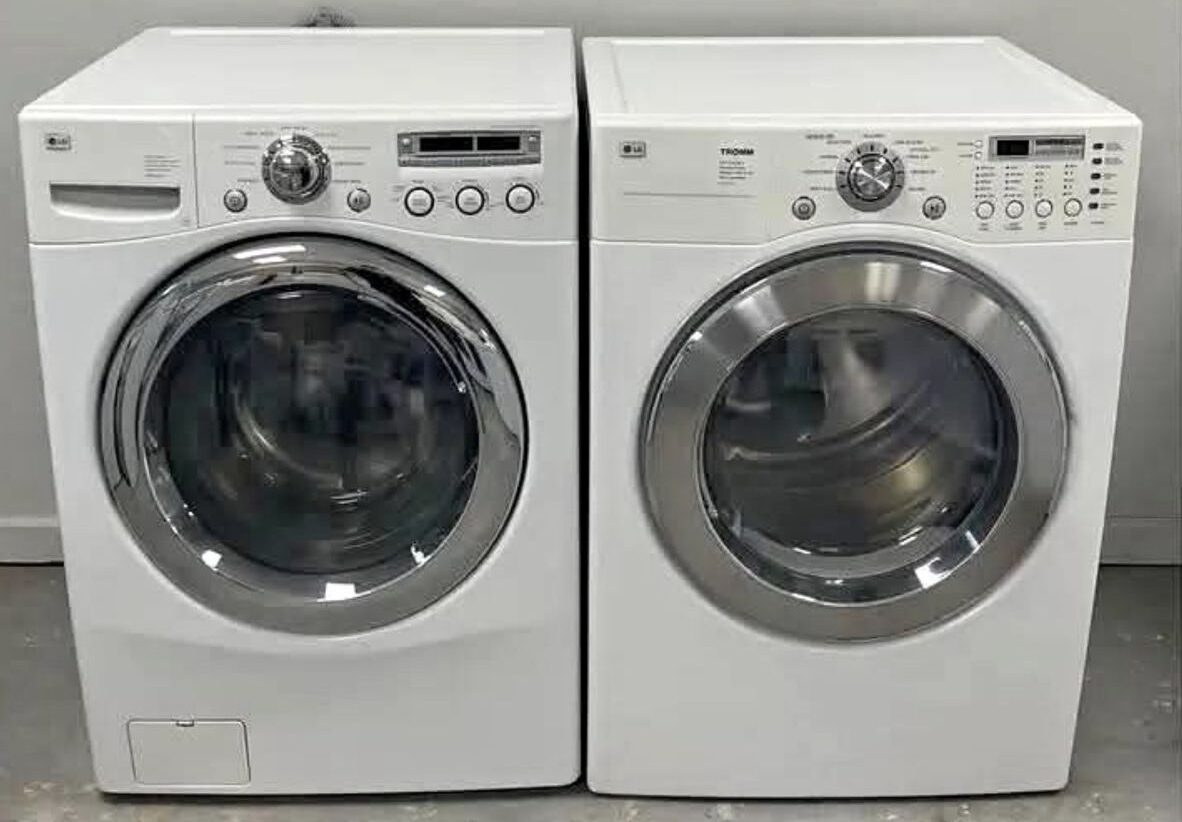
The fastest ways to get rid of an old washer and dryer are:
- Have the retailer haul it away when they deliver your new one
- Donate it to a local charity if it still works
- Sell it or give it away for free online
- Recycle it for scrap metal
- Check for a manufacturer or retailer take-back program
- Schedule a municipal bulk trash pickup
- Hire a junk removal service to take it off your hands
Which option makes sense for you really comes down to one question: does the appliance still work? If yes, you’ve got donation, resale, or trade-in paths available, and some of them can even put a little money back in your pocket. If it’s broken, scrap recycling, municipal pickup, or a junk hauler are your best bets.
Let’s go through each one in detail.
1. Let the Retailer Haul It Away When You Buy New
If you’re replacing your washer and dryer, this is usually the path of least resistance. Most major appliance retailers offer haul-away service when they deliver your new unit, meaning the delivery crew disconnects the old machine and takes it with them the same day.
It’s not always free, though. Some retailers include haul-away at no charge, while others tack on a fee, usually somewhere between $20 and $50 per appliance. Some also only offer it if you’re buying a comparable replacement (a washer for a washer, not a washer for a dryer).
What to Ask Before You Buy
Before you finalize the purchase, ask the salesperson directly:
- Is haul-away included, or is it an add-on fee?
- Will they disconnect water and power lines, or is that on you?
- Do they take both the washer and dryer, or just one?
Getting this in writing (or at least confirmed on your receipt) saves you from a surprise conversation on delivery day.
2. Donate Your Old Washer and Dryer
If your appliances still run, donating is one of the best ways of getting rid of a washer without letting a perfectly good machine go to waste. Local charities, Habitat for Humanity ReStores, and community reuse organizations regularly accept working washers and dryers, and some will even come pick them up from your home.
This is also one of the most overlooked answers to what to do with an old washer and dryer when you’re trying to downsize or clear out a rental property; it’s free, it’s fast, and someone else genuinely benefits.
Donation Requirements to Know
Most organizations have a few ground rules:
- The appliance generally needs to be in working condition; cracked drums, broken belts, or non-functional units usually won’t qualify
- Some charities offer pickup, but many require you to drop the unit off yourself
- Ask ahead of time, since availability and truck schedules vary by location and season
If you itemize deductions, keep the donation receipt. The IRS allows deductions for donated household items at fair market value, not the original purchase price, so don’t expect to write off what you paid for it new. It’s worth checking current IRS guidelines on non-cash charitable donations before filing.
3. Sell It or Give It Away for Free
If you’d rather not deal with a nonprofit’s schedule, selling or giving away your old washer and dryer online is one of the more practical answers to how to get rid of a washer and dryer without any drop-off runs. Platforms like Facebook Marketplace, Craigslist, and OfferUp are full of people specifically looking for used or even broken units; some buyers want a workhorse on a budget, others want a non-working machine just for spare parts.
How to Price a Used Washer and Dryer
Pricing depends heavily on age and condition:
- A working set under 5 years old can often sell for $150–$400
- Older but functional units typically go for $50–$150
- Non-working machines are usually listed as “free” or sold for a nominal $10–$20 to someone who wants parts
Here’s a tip that surprises a lot of people: listing an old, broken washer as “free — you haul it” often moves faster than trying to sell it. People show up quickly for free appliances, and it saves you the hassle of arranging removal yourself.
4. Recycle It for Scrap Metal
Washers and dryers are mostly steel, with some copper wiring inside the motor, both of which scrap yards are usually happy to pay for. This makes scrap metal recycling one of the more practical options for how to dispose of a washer and dryer that no longer works and isn’t worth donating.
Most areas have at least one scrap metal recycler that accepts large appliances. A quick search for “scrap metal recycling near me” or a call to your local recycling center can help you find out what they accept and whether pickup or drop-off is available. Before disposing of any appliance, it’s important to understand your local disposal requirements and recycling options. For more helpful tips, check out our guide on how to dispose of large appliances, where we cover the safest, easiest, and most environmentally responsible disposal methods
Is Scrapping an Old Washing Machine Worth It?
Don’t expect a windfall payouts are usually modest, often somewhere in the $10–$30 range per appliance depending on current metal prices and the unit’s weight. That said, it’s typically better than paying a disposal fee, and it keeps the metal out of a landfill.
5. Check for Manufacturer or Retailer Take-Back Programs
Some manufacturers and larger retailers run their own appliance recycling or take-back programs, sometimes tied to broader energy-efficiency initiatives. These programs come and go and vary by brand and region, so it’s worth checking directly with the manufacturer’s website or asking a retailer if they currently run one.
The EPA’s Responsible Appliance Disposal (RAD) program is a useful reference point here; it partners with manufacturers, retailers, and utilities to encourage environmentally responsible recycling of old appliances, including proper handling of components that shouldn’t end up in a regular landfill.
6. Use Municipal Bulk Trash Pickup or a Disposal Facility
Many licensed and insured companies offer residential junk removal services for bulky household items such as washers, dryers, furniture, mattresses, and other oversized belongings. Choosing a trusted provider ensures your unwanted items are removed safely, efficiently, and disposed of responsibly. This is often one of the simplest answers to old washer and dryer removal if you don’t need the appliance gone immediately.
A few things to keep in mind:
- Most municipalities require you to schedule bulk pickup in advance rather than just setting it on the curb
- Some cities charge a small per-item fee, often $10–$30
- Check your city or county’s waste management website for exact rules, since they vary a lot by location
Where to Dispose of a Washer and Dryer If Curbside Isn’t an Option
If your city doesn’t offer bulk pickup, local transfer stations and landfills typically accept washers and dryers directly, often for a small disposal fee. One clarification worth making: unlike refrigerators or air conditioners, washers and dryers don’t contain refrigerant, so they don’t require special handling for that reason, but they’re still often processed separately from regular household trash due to their size and metal content.
7. Hire a Junk Removal or Haul-Away Service
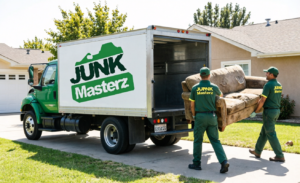
If your priority is simply getting the appliance out of your house with the least effort possible, a junk removal service handles everything; they show up, load it, and haul it away, often the same day you call.
Costs vary by region and how much else you’re getting rid of alongside it, but a single washer and dryer pickup typically runs somewhere between $75 and $150. It’s the most convenient option, but also the priciest on this list.
What to Look for in a Junk Removal Company
- Confirm they’re licensed and insured before booking
- Ask for a clear, upfront price rather than a vague estimate
- Ask whether they recycle appliances or send them straight to a landfill. Some companies specifically partner with recyclers, which matters if that’s important to you
How to Prepare Your Washer and Dryer for Pickup or Disposal
Whichever method you choose, a little prep work makes pickup day go smoother and safer for whoever’s doing the lifting:
- Disconnect the power and water lines before pickup day, even if the crew says they’ll handle it; it’s one less thing that can go wrong
- Drain any leftover water from the washer drum and hoses to avoid a mess during transport
- Tape down or remove the dryer vent hose so it doesn’t catch or tear while the unit is being moved
- Tape the washer and dryer doors shut for the move, especially if they’re being loaded into a truck with other items
- Clear a path from the appliance to the driveway or curb. Tight hallways and stairs are the number one reason pickup appointments run long
None of this is complicated, but skipping it is exactly what turns a 10-minute pickup into a 45-minute one.
How Much Does It Cost to Get Rid of an Old Washer and Dryer?
Costs range from completely free to around $150 or more, depending on the method:
| Method | Typical Cost | Best For |
|---|---|---|
| Retailer haul-away | Free–$50 | Buying new appliances |
| Donation | Free (may qualify for a tax deduction) | Working units |
| Selling or giving away | Free (you may earn money) | Working or repairable units |
| Scrap metal recycling | Free (you may earn money) | Non-working units |
| Municipal bulk pickup | Free–$30 | No urgency, city offers it |
| Junk removal service | $75–$150+ | Convenience, non-working units |
Final Thoughts
There’s no single “best” way to get rid of an old washer and dryer; it really depends on whether the unit still works, how quickly you need it gone, and whether you’d rather save money or save time. If it’s still running, start with donation or resale, since both are free and often the fastest routes. If it’s not, scrap recycling and municipal pickup are budget-friendly, while a junk removal service is worth the cost if convenience matters more than saving a few dollars.
Whichever route you take, a quick call to your local retailer, charity, or waste management office will tell you exactly what’s available in your area. Programs and pricing shift often, so it’s worth checking current options before you commit to one.
Frequently Asked Questions
How do I get rid of an old washing machine that doesn’t work?
Scrap metal recycling or a junk removal service are usually your best options for a non-working washer. Scrap yards will often take it for the metal value, and junk haulers will remove it for a flat fee if you’d rather not deal with it yourself.
Can you put a washer and dryer in the trash?
Usually not with regular curbside trash. Most cities require large appliances to go through a scheduled bulk pickup, a transfer station, or a private hauler instead, since regular garbage trucks aren’t equipped for items this size and weight.
Do appliance stores take away your old washer and dryer for free?
Sometimes. Many retailers include haul-away with delivery of a new appliance, but it’s not universal; some charge a fee, so it’s worth confirming before you buy.
How do I dispose of a washer and dryer for free?
Donating to a charity, listing it as free online, or checking if your city’s bulk pickup program is included in your regular waste service are all ways to get rid of it without paying anything.
Is it worth scrapping an old dryer?
It won’t make you rich, but scrap yards typically pay a modest amount for the steel and copper inside, so it’s usually worth the trip if you’re disposing of a non-working unit anyway.
Can I donate a broken washer and dryer?
Most charities only accept appliances in working condition, so a broken unit usually isn’t a good candidate for donation. Scrap recycling or a junk removal service is a better fit in that case.