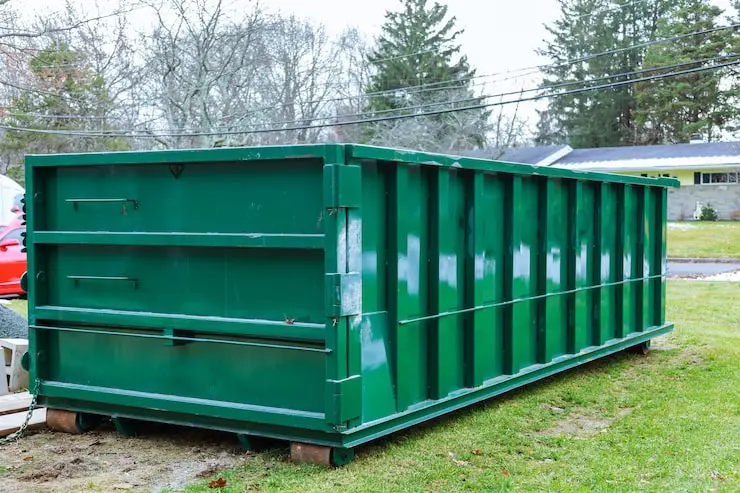
You have a pile of debris, a project start date, and one question that shapes the whole week: what size dumpster do I need? Choose too small, and you pay for a second haul. Choose too big, and you pay for space that eats your driveway. Junk Masterz helps Fresno homeowners clear out junk and debris, and this guide focuses on the three things that cause most sizing mistakes: guessing volume, ignoring weight, and forgetting about space.
The short version: most home projects fit a 10 to 20 yard container, and big remodels often need a 30 yard. The sections below show you how to confirm that for your own job.
Quick Answer: Which Dumpster Size Fits Your Project?
If you are asking how big of a dumpster do I need, start with this table, then confirm the result with the checks later in this guide.
| Project | Typical size | Approx. pickup loads |
| Garage or single room cleanout | 10 yard | 3 to 4 |
| One bathroom remodel | 10 yard | 3 to 4 |
| Kitchen remodel | 15 to 20 yards | 5 to 8 |
| Whole house cleanout | 20 to 30 yards | 6 to 12 |
| Roof tear-off | 10 to 20 yards, limited by weight | See the weight section |
| Large remodel or addition | 30 yard | 9 to 12 |
One pickup truck load is roughly 2 to 3 cubic yards, which is how the load counts above were estimated.
What Does Dumpster Size Mean?
Dumpster size is a measure of volume in cubic yards. One cubic yard is 27 cubic feet, or a cube about 3 feet on each side, so a 20-yard container holds roughly 540 cubic feet of debris filled level with the walls.
Size does not tell you weight. Every rental comes with a weight allowance in tons, and that allowance is separate from volume. So when you wonder what dumpster size do I need, you are really answering three questions: how much volume, how much weight, and how much room you have on site.
Dumpster Size Chart: Dimensions, Capacity and Typical Weight Limits
| Size | Typical exterior (L x W x H) | Pickup loads | Typical included weight |
| 10 yard | 14 x 7.5 x 3.5 ft | 3 to 4 | 1 to 3 tons |
| 12 yard | 14 x 7.5 x 4 ft | 4 to 5 | 1.5 to 3 tons |
| 15 yard | 16 x 7.5 x 4.5 ft | 5 to 6 | 2 to 3 tons |
| 20 yard | 22 x 7.5 x 4.5 ft | 6 to 8 | 2 to 4 tons |
| 30 yard | 22 x 7.5 x 6 ft | 9 to 12 | 3 to 5 tons |
| 40 yard | 22 x 7.5 x 8 ft | 12 to 16 | 4 to 6 tons |
Dimensions and weight allowances vary by hauler and region. Treat these as planning ranges and confirm the exact numbers before you book.
The 3-Check Method: Volume, Weight and Space
Most sizing guides stop at volume. In practice, a dumpster has three limits, and whichever one you hit first decides your size. Run all three checks, then pick the smallest size that passes each one. If you keep asking what size dumpster do I need, this method gives you a repeatable answer instead of a guess.
Check 1: Volume
Measure each pile in feet, multiply length by width by height, then divide by 27. A pile that is 6 feet long, 4 feet wide, and 3 feet high is 72 cubic feet, or about 2.7 cubic yards. That is close to one pickup load. Furniture, cabinets and broken framing leave air gaps, so add 15 to 20 percent as a practical cushion.
Check 2: Weight
Convert heavy materials into tons and compare them with the allowance in your rental. Solid concrete weighs roughly 2 tons per cubic yard. A 10 by 10 foot patio that is 4 inches thick is about 1.2 cubic yards, so it weighs around 2.5 tons. That patio barely fills a 10-yard container, yet it can use up the whole weight allowance. Light items such as boxes and furniture hit the volume limit first, while concrete, soil, tile, and shingles hit the weight limit first.
Check 3: Space
Measure the drop spot before you book. A 20-yard container is about 22 feet long, and the truck needs a straight approach to set it down. The truck bed tilts during delivery, so low branches and power lines matter. Also look for steep slopes, soft ground, and tight gates. Plywood under the container helps protect a driveway, and the unit should stay clear of hydrants, mailboxes, and sidewalks.
Between Two Sizes? Use These Tiebreaker Rules
Sometimes the checks leave you between two sizes. These rules settle it.
| Your situation | Lean toward |
| Debris is heavy (concrete, soil, tile, shingles) | The smaller size, and watch the tonnage |
| Debris is bulky and light (furniture, boxes, carpet) | The larger size |
| The project may grow once walls or floors open up | The larger size, only if the weight check passes |
| Your driveway is tight | The smaller size, with a plan for a swap |
| Budget matters more than convenience | The smaller size, loaded tightly |
Moving up one size often costs less than a second haul, but only when weight is not the limiting factor.
Weight by Material: Why a Full Dumpster Isn’t Always Allowed
Trucks and landfills work with weight limits, so heavy loads can be restricted even when there is visible room left.
- Light: household furniture, boxes, carpet, yard trimmings. These usually fill the container to the top.
- Medium: drywall, cabinets, fencing, mixed remodel debris. Expect to fill about half to two-thirds.
- Heavy: concrete, brick, soil, tile, roofing shingles. These may use up the allowance at about a third of the container.
Here is a roofing example. A 2,000 square foot roof is about 20 roofing squares. Single-layer asphalt shingles often weigh roughly 200 to 350 pounds per square, which puts the shingles alone at about 2 to 3.5 tons. A 20-yard container may have the volume, but the allowance decides whether it works. Ask whether a heavy debris option with a higher tonnage limit is available. When you mix materials, put heavy items on the bottom and spread them evenly.
Size Recommendations by Project Type
| Project | Smaller scope | Larger scope |
| Kitchen remodel | 10 yard for cabinets and counters only | 20 yard with flooring, appliances and drywall |
| Bathroom remodel | 10 yard for one bathroom | 15 yard for two bathrooms or a full gut |
| Roof replacement | 10 yard heavy debris for a small roof | 20 yard for a larger roof, check tonnage |
| Deck removal | 10 yard for a small deck | 20 to 30 yard for a large deck |
| Garage cleanout | 10 yard, lightly packed | 15 to 20 yard, packed full |
| Whole house cleanout | 20 yards for a small or mid-size home | 30 yard for a large home with a garage |
| Flooring removal | 10 yard for carpet in a few rooms | 20 yards for tile or hardwood, weight-based |
| Landscaping | 10 to 15 yards for trimming and shrubs | 20 yards for a major overhaul |
For what size dumpster for a whole house cleanout, a three-bedroom home with a garage often lands between 20 and 30 yards. Furniture-heavy homes and estate cleanouts lean toward 30.
Dumpster or Junk Removal Service? When a Smaller Load Changes the Answer
Here is a question most sizing guides skip: do you need a dumpster at all? A container makes sense when work stretches over several days, and debris builds up gradually. If your load is under about three pickup loads, or you would rather not do the lifting, a pickup service can be simpler. It avoids delivery, placement, and a rental period.
Junk Masterz offers Residential Junk Removal Fresno CA for jobs like a garage clear-out, old furniture, or a single room. A simple test: if everything is ready to go at once, choose pickup. If debris will pile up over a week of work, choose a dumpster.
What Happens If You Pick the Wrong Size?
If the container is too small, most haulers will not transport an overfilled load. Your options are a swap for an empty container, a second container, or a separate pickup for what is left over, such as construction debris removal after a remodel. If the container is too large, you pay for capacity you never use, and it may not fit your driveway. Ask about swap service before you book so you know the plan if the project grows.
What Affects Price and Overage Fees
Price depends on container size, rental length, distance from the yard, material type, permits, and weight. Going over the allowance is usually charged per ton, and rates vary by hauler. Asking how big of a dumpster do I need is also a pricing question, because the right size keeps you under the allowance. Describe your debris precisely, for example “two tons of broken concrete” instead of “a patio project”. For more detail, see this guide to dumpster rental cost.
Permits, Placement and Prohibited Items
A container on your own driveway or lawn usually needs no permit. A container on a public street or blocking a sidewalk usually does, and some HOAs have their own rules. Requirements differ by city and county, so ask your local public works office a few days ahead. Some California jurisdictions also have construction and demolition recycling rules, so ask whether your project is covered.
Common prohibited items include paint, batteries, tires, hazardous liquids, and appliances with refrigerant. Mattresses are often restricted or carry an extra fee, and a separate mattress removal service can handle them.
Quick Sizing Checklist
Before you book, answer the question, ” What dumpster size do I need with this list:
- List every item and mark each one as light or heavy.
- Measure the piles, divide cubic feet by 27, and add 15 to 20 percent.
- Convert heavy items into tons.
- Measure the drop spot and check for overhead wires and branches.
- Compare two sizes and apply the tiebreaker rules.
- Confirm the weight allowance, swap policy, and prohibited items.
Final Thoughts
The right answer to what size dumpster do I need comes from volume, weight, and space working together, not from a single chart. Run the three checks, and you will rarely end up with the wrong container. If you are still unsure, or a pickup makes more sense for your project, Junk Masterz is glad to look at your situation. Contact us for a free estimate.
FAQs
What size dumpster for a whole house cleanout?
Most whole house cleanouts need a 20 to 30 yard container. A small home or apartment can work with 15 to 20 yards, while a large home with a garage and shed often needs 30.
Can I mix heavy and light debris?
Yes, but stay under the weight allowance. Put heavy items on the bottom and spread them evenly, and ask your hauler whether heavy materials need their own container.
How long can I keep the dumpster?
Rental periods commonly run about a week to two weeks, but this varies by hauler. Ask about the included days and extension fees before you book.
Is a 20 yard dumpster too big for my driveway?
A 20-yard container is about 22 feet long and 7.5 feet wide, and the truck needs extra room to approach. If your driveway is shorter, a 15-yard unit is about 16 feet long and a 10-yard unit about 14 feet.
What dumpster size do I need for a roof replacement?
Weight usually decides this, not volume. A small roof may fit a 10-yard heavy debris container, while larger roofs often need a 20-yard unit, so check the tonnage allowance first.