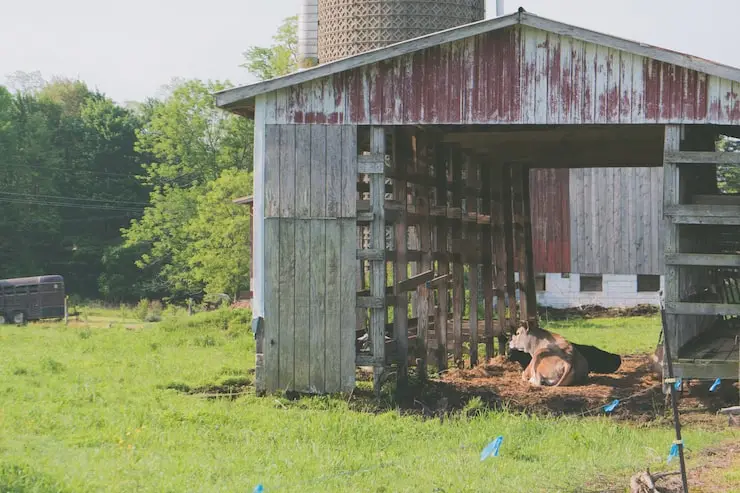
An old or damaged shed can take up valuable space in your backyard, become a safety hazard, and reduce your property’s curb appeal. Whether you’re replacing an aging storage shed, preparing your yard for landscaping, or simply clearing unwanted structures, understanding the shed removal cost is an important first step before starting the project.
In the United States, the average shed removal cost ranges from $300 to $2,500, depending on the shed’s size, material, location, accessibility, and whether it sits on a concrete foundation. Smaller metal or plastic sheds usually cost much less to remove than large wooden structures with electrical wiring or concrete slabs.
This guide explains everything homeowners need to know about shed demolition and removal, including average pricing, labor costs, disposal fees, factors that affect the final bill, and ways to save money. By the end, you’ll have a realistic estimate for your project and know when hiring a professional is worth the investment.
Average Shed Removal Cost
If you’re wondering how much does it cost to remove a shed, the answer depends on several factors. Most professional junk removal and demolition companies charge based on the amount of labor, debris volume, and disposal requirements.
| Shed Size | Estimated Removal Cost |
|---|---|
| Small (6×8 ft.) | $250–$500 |
| Medium (8×10 ft.) | $400–$800 |
| Large (10×12 ft.) | $700–$1,200 |
| Extra Large (12×16 ft. or larger) | $1,000–$1,500+ |
These estimates generally include:
- Labor
- Demolition
- Loading debris
- Hauling
- Disposal
- Basic site cleanup
If the shed has electricity, plumbing, or a concrete slab, additional charges may apply.
What Affects Shed Removal Cost?
The cost of removing a shed is not fixed; it depends on several practical and measurable factors. Understanding these factors can help homeowners make informed decisions and plan budgets accurately.
1. Size of the Shed
The physical dimensions of a shed are one of the most significant determinants of cost. A small garden shed (around 50–100 square feet) can often be removed quickly with minimal labor, whereas a larger storage shed (200 square feet or more) requires more time, equipment, and manpower.
- Small sheds: Typically involve simple demolition, minimal hauling, and fewer disposal trips, reducing labor and transportation costs.
- Large sheds: May require heavy-duty tools, extra workers, or even a small crane if it’s elevated, which adds to the overall expense.
Credible insight: Contractors often base their quotes on labor hours multiplied by team size and equipment usage, making shed size a direct cost driver.
2. Type of Materials
The materials used to build the shed affect both demolition difficulty and disposal requirements:
- Wooden sheds: Generally easier to dismantle manually. Wooden panels can be broken down, stacked, or even recycled into mulch or firewood, which can offset disposal costs.
- Metal sheds: Heavier and harder to dismantle. Metal often requires specialized tools and must be transported to a recycling facility rather than a standard landfill, which increases fees.
- Composite or plastic sheds: Lightweight but can be awkward to handle and may need specific recycling methods.
Credible insight: Disposal facilities may charge different fees depending on whether materials are considered wood, metal, or mixed debris, making the material type a key variable.
3. Accessibility
How easily a shed can be reached significantly impacts the labor involved:
- Easy access: Sheds located near driveways or open yards allow workers to bring in tools, trucks, and dumpsters without obstruction. This lowers the cost and time required.
- Difficult access: If the shed is in a fenced backyard, up a slope, or behind landscaping, workers may need to navigate tight spaces, remove obstacles, or carry debris manually.
Credible insight: Contractors often charge an accessibility fee because extra labor and time are required, and certain equipment like wheelbarrows or mini-cranes may be needed to transport materials safely.
4. Condition of the Shed
The structural integrity and overall condition of a shed can affect removal complexity:
- Stable sheds: Can be disassembled efficiently. Panels can be removed systematically, reducing the chance of injury or accidental damage.
- Decaying or damaged sheds: Rotten wood, rusted metal, or warped components may collapse unexpectedly during removal, requiring additional precautions, labor, and safety measures.
Credible insight: Removing a deteriorated shed safely may involve protective gear, bracing, or controlled demolition techniques, all of which increase costs.
5. Disposal Methods
Finally, how the debris is disposed of is a major cost factor:
- Landfill: Directly hauling debris to a landfill incurs tipping fees, which vary by facility and material type.
- Recycling: Diverting materials to recycling centers may reduce environmental impact but can involve more sorting, transportation, and handling.
- Donation or resale: Sheds that are still structurally sound can be donated to charities or sold for parts, potentially offsetting some of the removal cost.
Credible insight: Environmental considerations and local regulations can influence disposal fees. For example, some municipalities charge extra for treated wood, hazardous materials, or mixed debris, which contractors factor into their pricing.
DIY Shed Removal vs Hiring a Pro
If you’re wondering whether to do it yourself or book a shed removal service, here’s how the numbers and effort usually compare.
DIY Shed Removal
Doing it yourself can save money, especially on smaller sheds.
Typical DIY costs include:
- Tool purchases or rentals: $200–$500
- Dump trailer or dumpster rental: $300–$600
- Permit fees (if required): $100–$500
- Your time and effort: priceless (well, valuable)
If your shed is a small wooden structure and you’re comfortable using tools, DIY can often save hundreds. Just make sure you’re equipped and able to dispose of the materials properly.
Professional Old Shed Removal Service
Pros handle everything:
- Demo and dismantle
- Haul debris
- Handle disposal
- Take care of permits (sometimes)
Expect professionals to charge $50 to $100 per hour per worker, or base pricing tied to shed size.
Pros make sense when:
- The shed is large
- There’s a concrete base
- Limited yard access
- Hazardous materials need careful handling
For situation like that, professionals actually save you time and potential injury risks.
Hidden Costs People Don’t Expect
It’s easy to look at a basic estimate and think that’s all you’ll pay. But here are common extra charges people often overlook:
Permit Fees
Some areas require permits for demolition and hauling old structures. These can run from $100 to $500+. Check your local building department before you start.
Dump Fees
Dumpsters and landfill fees aren’t free. Disposal charges often run a few hundred to over $1,000 depending on shed size and amount of waste.
Asbestos or Hazardous Materials
If an old shed has materials like asbestos, that requires specialist handling and disposal. Don’t try this yourself. Costs go up, but your safety matters.
Ground Repair
Once the shed’s gone, you might want to level ground, seed grass, or refill holes. These tasks add to total cost.
Utility Disconnects
If your shed had power or plumbing, shutting those off may require licensed help.
How to Reduce Shed Removal Costs
Here are sensible ways to cut your bill without sacrificing quality:
- Clear Out the Contents First: Removing shed contents yourself means less hauling work and a smaller dumpster.
- Shop Around for Quotes: Contact several local shed removal services and compare. Don’t just pick the first quote.
- Time Your Project: Contractor schedules can be cheaper in off‑peak seasons. Spring and summer are popular, so booking early or late can save you money.
- Break Down the Shed Yourself: If you can safely disassemble part of the shed and let the crew haul pieces, many pros will reduce labor time.
- Ask About Inclusive Pricing: Some services bundle demo, disposal, and hauling in one rate. That’s often more predictable than separate line items.
What Happens After Shed Removal?
Once the shed is gone, here are the steps you might take next:
1. Clean Up Debris
If not included with your shed removal, make sure debris is cleared completely before landscape work.
2. Disposal or recycling
Wood, metal, and plastic may go to recycling facilities. Concrete is usually taken to heavy waste yards.
3. Ground restoration
If you’re planning new landscaping, planting a lawn, or building something else, the ground may need leveling, adding soil, or reseeding.
Conclusion
Knowing how much does shed removal cost can help you plan your project and avoid unexpected expenses. While most homeowners spend between $250 and $1,500, the final price depends on factors such as shed size, construction material, foundation type, accessibility, and local disposal fees.
Although removing a small shed yourself may seem like a way to save money, larger structures often require specialized tools, heavy lifting, and proper waste disposal. Hiring experienced professionals can make the process safer, faster, and more efficient while ensuring the site is cleaned up properly.
Before choosing a contractor, compare multiple estimates, ask what services are included, and verify that the company is licensed and insured. Taking these steps will help you receive accurate pricing and quality service while making your shed removal project as smooth as possible.
For a stress-free and reliable solution, Junk Masterz provides expert shed removal services, handling everything from teardown to debris disposal. Get a quick quote today or call us directly to schedule your shed removal and free up your backyard with ease.
FAQs
What is the typical cost range for shed removal?
Most homeowners pay between $250 and $3,000 for shed removal, depending on size, materials, and site conditions. Smaller wooden sheds often fall at the lower end, while large sheds or those with concrete foundations cost more.
How much does it cost to remove just the shed structure?
For removing the shed itself without a foundation, average costs are typically in the $250–$2,000 range. Basic jobs with easy access and simple materials fall near the bottom, while bigger or more complex structures go higher.
Does removing a concrete foundation add to the cost?
Yes. When you include breaking up and hauling away a concrete pad or slab, total costs frequently rise to $1,200–$3,500. Concrete removal requires heavier equipment and adds landfill fees, which increases the overall price.
Why do shed removal prices vary so much?
Several factors influence the final price, including:
- Shed size and materials
- Location and ease of access
- Whether there’s a concrete foundation
- Amount of debris and disposal fees
- Utility disconnects or permits required
These variables change how long the job takes and what equipment is needed, so quotes often differ from one homeowner to another.
What does the removal process usually involve?
Professional shed removal typically includes:
- Disconnecting utilities if present
- Dismantling the structure safely
- Hauling debris away to disposal or recycling sites
- Basic site cleanup afterward
Some companies include disposal fees in their quotes, while others may itemize them separately.
Can I save money by doing it myself?
Yes. If the shed is small and you have basic tools, DIY removal can cost less upfront (tool rental, dumpster rental, permits). But it takes time and physical effort, and for larger sheds or tricky locations, pros can be safer and more efficient.
Are disposal or dump fees included in the cost?
Sometimes. Some shed removal services bundle debris disposal in the project price, but others charge dump fees separately, often ranging from a few hundred to over a thousand dollars depending on size and weight.
Do I need a permit to remove a shed?
In many regions, yes especially for larger structures or those with foundations. Permit fees vary by location, often from $100–$500. Not pulling a required permit can result in fines, so it’s worth checking local rules.
What if my shed has electrical or plumbing?
If utilities are connected, a licensed electrician or plumber should disconnect them before demolition. That adds extra labor costs, usually hourly rates for those trades, but keeps the project safe and compliant.
How much can I expect to pay per square foot?
In the U.S., typical shed removal cost per square foot runs roughly $3.50 to $11.50, with larger or heavier materials on the higher end of that scale.