

Getting rid of an old piano isn’t like dropping a chair on the curb. These instruments are heavy, awkward, and built to last decades. The question of how to dispose of a piano might seem simple, but the answer is surprisingly involved. Whether your piano has spent years collecting dust, you’re moving, or you just want your living room back, this guide breaks down your best options without jargon or guesswork.
Disposing of a piano can feel like a daunting task. Pianos are heavy, bulky, and not easy to move. Whether your piano is old, broken, or you simply no longer have space for it, finding the right disposal method is important for safety, cost, and even environmental reasons. In this guide, we’ll walk you through safe and practical ways to dispose of a piano, including removal services, donation options, and free ways to get rid of it.
Can You Throw a Piano in the Trash?
No. You cannot simply roll an upright or grand piano to the curb for your weekly trash collector. Most municipal waste services have strict rules against picking up heavy, oversized items.
Pianos are “multi-material” items. They contain heavy cast-iron plates, hundreds of steel strings under high tension, and treated wood. Because they don’t break down easily, many landfills actually ban them. Even if your local bulky item pickup program allows pianos, they often require you to dismantle them first or pay a significant “special item” fee.
Instead of hoping the trash man takes it, you need a strategic plan for piano disposal that considers the environment and local laws.
7 Ways to Decide Your Disposal Method
Knowing your options makes deciding easier. Here are seven ways you can handle an unwanted piano, listed from most beneficial to least.
1. Donate the Piano if It Still Works
A playable piano may find a second life with schools, churches, community centers, or nonprofit music groups. Groups like Pianos for Education explain that donated pianos must hold tuning and show minimal structural damage. Many organizations ask for clear photos and details before agreeing to pickup.
Donation works best for upright pianos less than 20 to 30 years old. Most groups do not accept spinets or heavily worn instruments. You may still need to cover piano removal cost, but some donors qualify for a tax deduction. The IRS allows deductions for donated goods when properly documented.
2. Sell or Give It Away Locally
Local listings often move faster than national platforms. Facebook Marketplace, Craigslist, and neighborhood boards attract buyers searching for “free piano, you move it.” This option shifts the burden of piano removal to the new owner. Expect many messages and cancellations. Serious buyers often ask about stairs, parking, and piano size before committing.
3. Hire a Piano Removal Service
A professional piano removal service handles heavy lifting, padding, and transport. These crews specialize in pianos and carry equipment like piano boards, straps, and stair rollers. According to Angi, professional piano removal cost usually ranges from $250 to $600, depending on access and distance. This route saves time and reduces injury risk.
4. Use Moving Companies That Move Pianos
Some moving companies that move pianos offer removal as part of a larger move. Always confirm piano experience before booking. General movers without piano training risk damage to walls, floors, and the instrument itself. Reputable movers list piano handling as a separate service.
5. Junk Removal Piano Pickup
Junk removal piano services focus on disposal rather than preservation. Companies like Junk Masterz? explain that they dismantle pianos when donation or resale fails. This method works for broken or severely damaged instruments. Expect costs similar to or slightly higher than specialty piano movers due to labor and disposal fees.
6. Recycle the Piano
Pianos contain recyclable materials such as cast iron, steel, and hardwood. Recycling centers accept these parts once separated. According to waste management guidance from municipal recycling programs, most centers require the piano to arrive dismantled. Some piano removal services handle recycling as part of disposal.
7. Dismantle It Yourself
DIY piano disposal is a big project. It requires safety gear and patience. You’ll need to remove the “action,” unstring the harp, and unscrew the outer cabinet.
Warning: The strings are under roughly 20 tons of pressure. If you don’t know about piano dismantling safety, this can be very dangerous.
Cost Breakdown Table
Here is a simple cost breakdown to help you understand what piano removal may cost. These are average estimates. Prices can change based on your location and the piano type.
| Piano Type | Typical Cost Range | Notes |
|---|---|---|
| Upright piano removal | $150 – $400 | Easier to move, less heavy |
| Grand piano removal | $300 – $800 | More complex and heavier |
| Basement removal | $400 – $1,200 | Stairs and tight spaces raise cost |
| Junk removal piano pickup | $200 – $600 | Depends on size and distance |
| Professional piano movers | $300 – $900 | Best for safe moving and transport |
| Donation pickup | Often free | If the organization offers pickup |
Note: Prices vary by city and the difficulty of the move. Always ask for a quote before you decide.
Step‑by‑Step Disposal Process
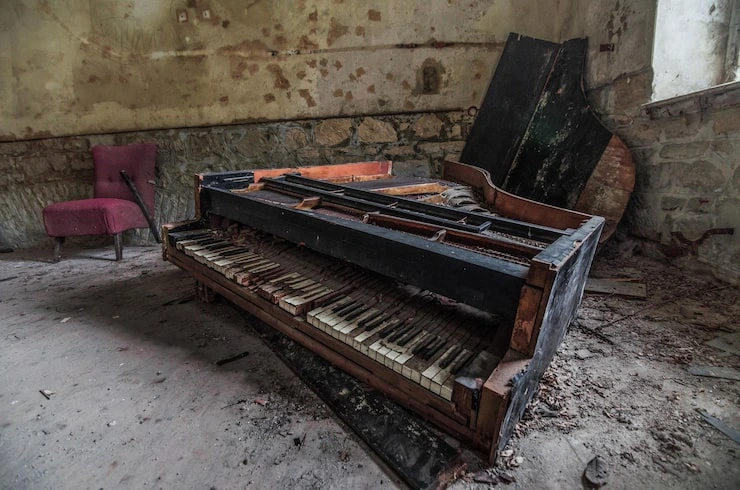
Here’s a practical roadmap for how to dispose of a piano from start to finish.
Step 1: Identify Piano Type and Condition
Check whether the piano plays, holds tuning, and shows structural damage. Upright, baby grand, and grand pianos follow different removal methods.
Step 2: Measure Access Points
Measure doorways, hallways, stairs, and elevators. Removal crews ask for this information before quoting. Photos help avoid surprises.
Step 3: Choose a Disposal Path
Donation, sale, recycling, or junk removal piano service all fit different situations. Match condition and timeline with the right option.
Step 4: Schedule Removal
Book professionals early, especially during peak moving seasons. Confirm insurance coverage and experience.
Step 5: Prepare the Space
Clear pathways, remove rugs, and secure pets. This step speeds up piano removal and reduces risk.
Step 6: Confirm Final Destination
Donation centers and recycling yards often need advance notice. Junk services handle disposal logistics directly.
Why Proper Piano Disposal Matters
Pianos are not like ordinary household items. They contain materials such as wood, metal, and sometimes lead or other hazardous components. Improper disposal can:
- Damage your property or home during moving.
- Harm the environment if sent to a landfill.
- Lead to legal or city-code violations in some areas.
Proper disposal ensures safety, reduces waste, and can even benefit someone else if the piano is still playable.
Safety Tips for Piano Disposal
- Never attempt to move a piano alone—it can weigh over 500 pounds.
- Use proper lifting equipment if you must handle it yourself.
- Protect floors, walls, and doorways to prevent damage.
- Ensure all cords and parts are safely removed.
Safety is the top priority, whether selling, donating, or recycling.
Final Thoughts
Disposing of a piano is not easy, but it is possible with the right plan. You have many options, from donating or selling to recycling or hiring a piano removal service. The best choice depends on the condition of the piano and your goals.
If you want the fastest and safest solution, hiring a professional piano removal company is often the best option. For a reliable and experienced team, consider Junk Masterz for safe and fast piano removal.
Get a quick quote or call now to schedule your piano removal and make the process simple, safe, and stress-free.
FAQs
How do you get rid of a piano?
You can get rid of a piano by donating it to a school or charity, selling it, hiring a professional piano removal service, or recycling it. For large pianos, professional movers are safest to prevent injury or damage. If the piano is no longer usable, contact local junk removal services to dispose of it responsibly.
How much does piano removal cost?
Piano removal costs depend on size, location, and accessibility. Upright pianos usually range from $150–$300 for professional removal, while grand pianos can cost $500 or more. Donation pickups are often free if the piano is in working condition. Always request quotes from moving companies that move pianos for accurate pricing.
Can I recycle my piano?
Yes. Pianos contain metal, wood, and felt components that can be recycled separately. Specialized recycling centers or junk removal piano services can dismantle the instrument safely. Recycling helps reduce landfill waste and ensures materials like metal and wood are reused.
Who accepts piano donations?
Schools, music programs, churches, and local nonprofits often accept piano donations. Some organizations offer free pickup through a piano removal service. Check their requirements, including condition and size, to ensure a smooth donation.
Can I move a piano myself?
While possible, moving a piano yourself is risky due to its weight and awkward shape. Injury and property damage are common if done incorrectly. Hiring moving companies that move pianos or professional piano removal and disposal services is the safer option.
What is the safest way to dispose of an old piano?
The safest method combines careful evaluation and professional help. If the piano works, donation is ideal. If not, contact a professional junk removal piano service or recycling center. They handle heavy lifting, transportation, and eco-friendly disposal.
Are there alternatives to hiring a piano removal service?
Yes. Alternatives include selling, giving away for free, donating to a local school, or dismantling the piano for recycling. These options are cost-effective but may require more effort and planning.