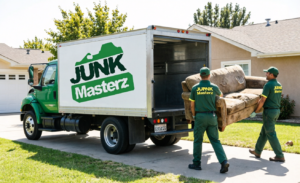
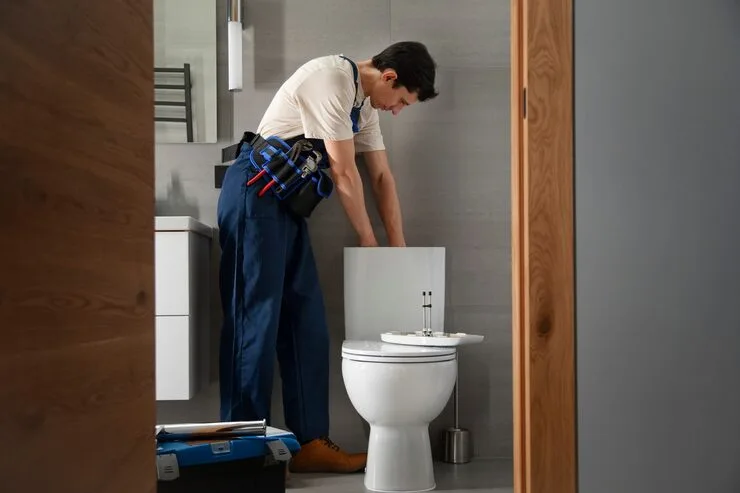
Replacing an old toilet is a common home improvement project, but many homeowners aren’t sure what to do with the old fixture. Since toilets are large, heavy, and made primarily of porcelain, they can’t always be placed in your regular household trash. Depending on where you live, you may be able to recycle, donate, or take your old toilet to a landfill or transfer station. Hiring a professional junk removal company is another convenient option if you don’t want to handle the heavy lifting yourself.
If you’re wondering how to dispose of a toilet, the good news is that there are several safe and environmentally friendly disposal methods. Choosing the right option depends on the toilet’s condition, your local waste management regulations, and whether you’re looking for the quickest or most sustainable solution.
This guide explains the best ways to dispose of a toilet, how much disposal costs, recycling options, and the steps to safely remove a toilet from your home.
Can You Throw a Toilet Away?
Quick Answer
Yes, you can dispose of a toilet, but the proper method depends on your local waste management regulations. In many areas, toilets cannot be placed with regular household garbage. Instead, they must be taken to a landfill, recycling center, construction debris facility, or removed by a junk removal company.
Most toilets are made of porcelain, which is heavy but recyclable in many communities. Before getting rid of your toilet, check with your local sanitation department to learn about disposal requirements in your area.
Why Proper Toilet Disposal Matters
Improperly dumping a toilet can lead to fines, damage the environment, and create unnecessary landfill waste. Many recycling facilities can crush porcelain into gravel or construction aggregate, giving old toilets a second life instead of sending them to the landfill.
Responsible disposal also keeps neighborhoods clean and prevents illegal dumping.
How to Dispose of a Toilet: 6 Best Ways
1. Donate If It’s Still in Good Shape
If your toilet is still functional and clean, consider donating it to a local nonprofit or resale center. Organizations like The Salvation Army sometimes accept usable household fixtures depending on location.
2. Schedule Bulky Waste Pickup
Many cities offer special bulky item pickup days where large objects like toilets can be collected. Contact your waste management service to see if toilets are allowed, what rules apply, and whether a sticker or appointment is needed. Often, these pickups cost less than other services since the city already schedules them.
3. Take It to a Local Landfill or Transfer Station
If your city doesn’t take toilets curbside, you can transport the old toilet to a landfill or solid waste transfer facility yourself. Most accept toilets but may charge a small fee based on size or weight. This is one of the more straightforward, environmentally safe toilet disposal options if recycling isn’t available nearby.
4. Use a Recycling Center That Accepts Porcelain
Some recycling centers take porcelain fixtures like toilets. Porcelain can be crushed and reused in construction materials like road base. Call ahead to confirm they accept toilets and what preparation they require (usually removing non‑porcelain parts first). For more details on recycling and reusing household fixtures, visit the Habitat for Humanity resource on donating building materials:
5. Hire a Junk Removal Service
A junk removal company can handle residential junk removal from your home and ensure your old toilet is transported to the proper recycling or disposal facility safely and responsibly. These services can make things much easier, especially if you’re disposing of more than one item. They often partner with recycling centers or donation programs to keep reusable parts out of landfills.
6. Repurpose the Toilet
If the toilet is broken and you’re feeling creative, some people turn old fixtures into planters or garden features. This isn’t ideal for everyone, but it keeps the porcelain out of a landfill and gives it a second life in a different form.
Also Read: Where do junk removal companies take the junk
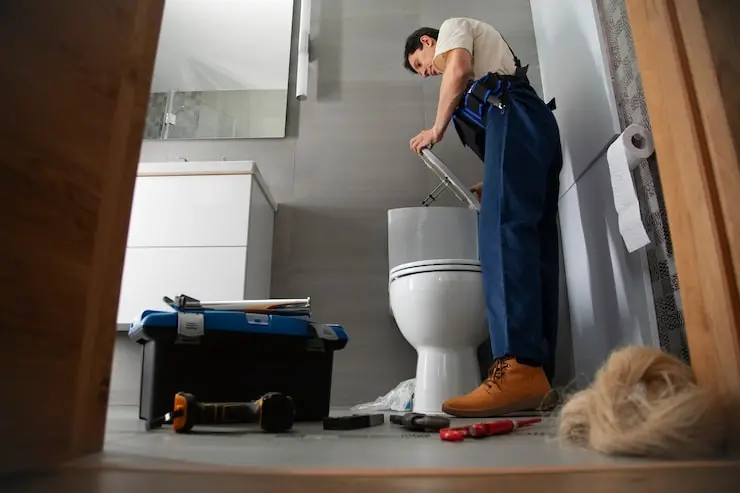
Step‑by‑Step Guide: How to Remove a Toilet
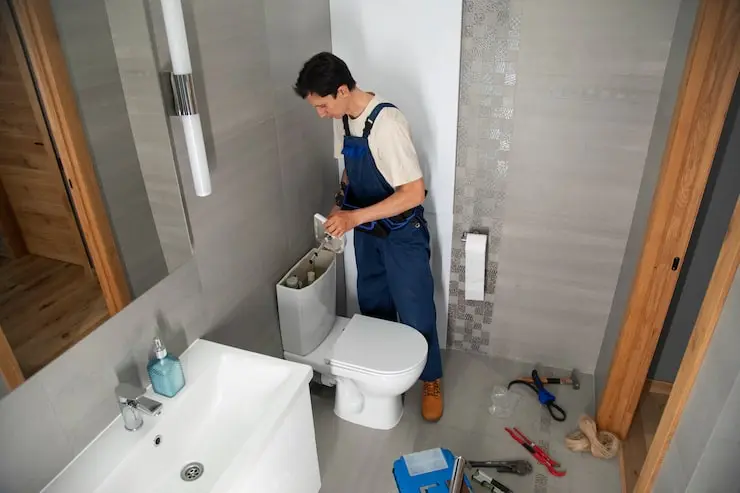
Removing a toilet isn’t hard, but it does take some care. Follow these steps to get the job done without damaging yourself or your space.
Turn Off the Water
Locate the shut‑off valve near the base of the toilet and turn it clockwise until the water stops flowing.
Drain the Toilet
Flush the toilet to remove as much water as possible. Use a sponge to get the remaining water out of the bowl and tank.
Disconnect the Supply Line
Unscrew the water supply line with a wrench.
Unbolt the Toilet
Remove the nuts holding the toilet to the floor. These can be stiff, so applying a bit of penetrating oil can help.
Break the Seal
Carefully break the wax ring seal beneath the toilet by gently rocking the bowl back and forth.
Lift and Move
With help if needed, lift the toilet straight up and out. Toilets are heavy and awkward, so protect your back by lifting with your legs.
Cover the Drain Pipe
Once the toilet’s gone, cover the exposed drain with a rag or cap to prevent sewer gas or debris from entering.
If you need to know how to break a toilet for disposal (like for bulk trash or recycling site rules), that usually involves removing any metal and plastic parts first, then using a hammer or mallet to break the porcelain carefully into smaller sections. Always wear eye protection and gloves if you go this route, and check with your local facility before doing this.
What Are Toilets Made Of?
Before deciding what to do with an old toilet, it helps to understand the materials involved.
Most toilets contain:
- Porcelain or ceramic
- Metal bolts and hardware
- Rubber seals and wax rings
- Plastic seats and internal components
Porcelain is extremely durable and does not break down easily in landfills. However, many recycling facilities can crush and repurpose it into:
- Road base material
- Concrete aggregate
- Landscaping filler
Because of this, recycling is often the best long-term solution.
Can you throw a toilet away in a dumpster?
Usually yes, but there are important limitations.
Most construction dumpsters accept toilets because they are considered construction debris. However, some dumpster rental companies restrict certain materials or charge additional fees.
Before tossing a toilet into a dumpster:
- Confirm acceptance with the rental company
- Ask about weight limits
- Avoid mixing hazardous materials
- Break the toilet carefully if permitted
Porcelain can crack violently when shattered, so protective gloves and eye protection are essential.
Some companies also offer separate recycling options for ceramic fixtures.
How Much Does Toilet Disposal Cost?
The cost depends on the disposal method.
Typical Disposal Costs
| Disposal Method | Estimated Cost |
|---|---|
| Bulk trash pickup | Free to $50 |
| Recycling center | Free to $30 |
| Landfill drop-off | $20 to $60 |
| Junk removal service | $75 to $200 |
| Dumpster rental inclusion | Usually included |
Costs vary based on location and labor requirements.
What NOT to Do When Disposing of a Toilet
Avoid these common mistakes:
- Don’t dump it illegally
- Don’t burn it (toxic and dangerous)
- Don’t leave it on the curb without approval
These actions can lead to fines and environmental harm.
Eco-Friendly Toilet Disposal Tips
If you care about sustainability, follow these tips:
- Choose recycling over landfill
- Donate usable toilets
- Hire eco-conscious junk removal companies
Eco-friendly disposal helps reduce waste and supports a cleaner environment.
Conclusion
Knowing how to dispose of a toilet properly helps protect the environment and keeps your renovation project running smoothly. Whether you recycle it, take it to a landfill, place it in a roll-off dumpster, donate it, or hire a junk removal company, choosing the right disposal method ensures your old fixture is handled safely and responsibly.
Before getting rid of your toilet, always check your local disposal regulations, as requirements can vary by city. Whenever possible, recycle porcelain instead of sending it to the landfill. If lifting and transporting a heavy toilet isn’t practical, a professional junk removal service can save you time while ensuring the toilet is disposed of in an environmentally responsible way. By following these best practices, you can complete your bathroom project with confidence and minimize unnecessary waste.
Ready to get rid of your old toilet without the hassle? Visit our Contact Us to get a free quote, or call us directly. Let us take care of your old toilet so you can focus on your home renovations worry-free.
In the end, knowing how to dispose of an old toilet isn’t just about getting rid of waste—it’s about making smarter, cleaner choices for your home and the environment.
Frequently Asked Questions
Can you throw a toilet away in a dumpster?
Yes, most construction dumpsters accept toilets, but some companies may charge additional fees or have material restrictions. Always confirm with the dumpster provider first.
Can I throw a toilet in the trash?
Usually not in regular household garbage bins. Many cities require bulk pickup scheduling or disposal at approved facilities.
How do I dispose of an old toilet for free?
Some cities offer free bulk item pickup days. Recycling centers and donation organizations may also accept toilets at no cost.
What is the best way to get rid of a toilet?
The best option is usually recycling or donation if the toilet is still usable. Damaged toilets may require landfill or dumpster disposal.
Can toilets be recycled?
Yes. Many recycling centers crush porcelain into material used for roads, concrete, and landscaping applications.
What should I do with an old toilet that still works?
You can donate it to nonprofit organizations, reuse centers, contractors, or local community groups.
Is toilet disposal dangerous?
It can be if proper precautions are not taken. Toilets are heavy and porcelain can shatter into sharp pieces. Always use protective gear when handling or breaking a toilet.
How much does professional toilet removal cost?
Professional junk removal typically costs between $75 and $200, depending on your location and labor requirements.