Junk has a way of piling up faster than most people expect. Old furniture, broken appliances, yard debris, renovation materials, and unwanted household items can quickly take over valuable space in your home or yard. That is where professional junk removal services come in.
Many homeowners wonder, “How does junk removal work?” especially if they have never hired a removal company before. Understanding the process can help you save time, avoid hidden costs, and choose the right service for your cleanup project.
Whether you are clearing out a garage, removing outdoor debris, or preparing for a move, this guide explains everything you need to know about the junk removal process, including how companies handle waste, what happens after pickup, and how outdoor waste removal works.
What Is Junk Removal?
Junk Removal Meaning (Simple Explanation)
Junk removal is a service that helps homeowners and businesses remove unwanted items quickly and safely. Instead of hauling heavy debris yourself, a professional crew handles the lifting, loading, transportation, and disposal.
Unlike regular trash pickup, junk removal services handle large, bulky, or hard-to-dispose-of items such as:
- Old furniture
- Mattresses
- Appliances
- Electronics
- Yard waste
At Junk Masterz, we provide complete junk removal solutions for all these materials, ensuring safe, efficient, and responsible disposal every time.
Understanding what junk removal is helps you see that it’s not just about throwing things away—it’s about proper handling, recycling, and responsible disposal.
According to The World Bank, global waste is expected to increase significantly in the coming years, making responsible waste management more important than ever. You can explore more about global waste trends here:
Why Junk Removal Services Are in High Demand
Junk removal services are growing rapidly due to changes in lifestyle and environmental awareness.
1. Busy Lifestyles
People simply don’t have time to handle large cleanouts themselves.
2. Home Renovations
Remodeling projects generate a lot of debris that cannot go in regular bins.
3. Environmental Concerns
More people want eco-friendly disposal options instead of sending everything to landfills.
4. Urban Living
Smaller spaces mean clutter becomes a problem faster.
Organizations like the United Nations Environment Programme emphasize the importance of sustainable waste practices to reduce environmental impact.
How Does Junk Removal Work: Complete Step-by-Step Process

Understanding how does junk removal work step by step can help you feel confident before booking a service. While details vary slightly by company, the process usually follows these steps.
Step 1: Schedule Junk Removal
The first step is to schedule junk removal. Many companies let you book junk removal online, by phone, or through a contact form. You choose a date and time window that works for you. Some providers offer same-day or next-day service, depending on availability.
When scheduling, you will be asked basic questions about the items you want removed. This helps the company prepare the right truck size and crew.
Step 2: Free Estimate or Quote
Most professional junk removal companies offer a free estimate or quote. Pricing is often based on volume, meaning how much space your junk takes up in the truck. This is known as volume-based pricing, measured in cubic feet or cubic yards.
Some companies give ballpark estimates over the phone or online. The final price is usually confirmed after an on-site assessment.
Step 3: On-Site Assessment
When the crew arrives, they review the items you want removed. They calculate how much truckload capacity your junk will use. This is when the final price is set, so there are no surprises.
You can ask questions at this stage, including how much does junk removal cost for specific items like furniture or appliances.
Step 4: Heavy Lifting and Loading
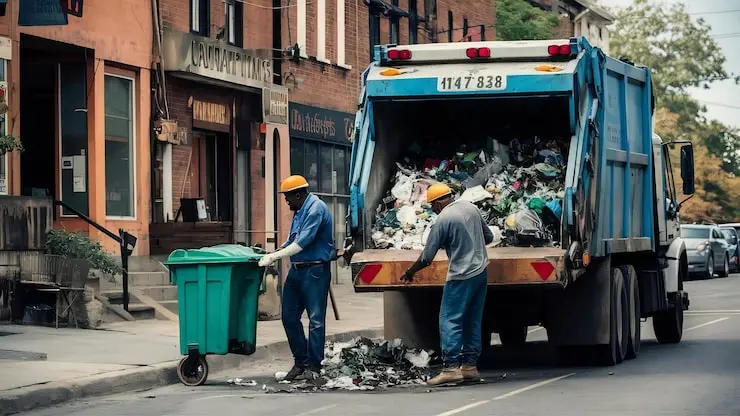
Once you approve the price, the crew gets to work. This is the biggest benefit of professional junk removal. The team handles all the heavy lifting and loading, even for bulky items like sofas, mattresses, refrigerators, or construction debris.
You do not need to move items to the curb unless you want to. Full-service junk removal means items can be removed from inside your home, garage, basement, or office.
Step 5: Hauling and Proper Disposal
After loading the truck, the crew hauls everything away. A responsible junk removal company uses proper disposal methods. Items are sorted for recycling, donation pickup, e-waste recycling, or landfill disposal when necessary.
This step is important for environmental responsibility. Eco-friendly junk removal reduces waste and keeps usable items out of landfills.
Step 6: Final Cleanup
Before leaving, the crew does a quick sweep of the area to make sure no debris is left behind. Your space is now clutter-free and ready to use again.
What Can (and Can’t) Be Removed?
One of the most common questions people have is “what items can be removed?” The good news is that professional junk removal companies can take almost anything you might have sitting around your property. However, there are some important exceptions for safety and legal reasons.
Items Commonly Accepted by Junk Removal Services
Furniture: Old couches, chairs, dining tables, dressers, bed frames, mattresses, desks, filing cabinets, bookshelves, entertainment centers, and outdoor patio furniture. Even if the furniture is broken or damaged beyond repair, residential junk removal teams will take it. Items in good condition often get donated to families in need.
Appliances: Refrigerators, freezers, washing machines, dryers, dishwashers, stoves, ovens, microwaves, air conditioners, water heaters, and dehumidifiers. Many appliances contain recyclable metals and must be disposed of properly according to environmental regulations, especially those containing refrigerants like AC units and refrigerators.
Electronics and E-Waste: Televisions, computer monitors, desktop computers, laptops, printers, copiers, stereo equipment, gaming consoles, and old phones. Electronic waste contains valuable materials that can be recovered through recycling, as well as toxic substances that shouldn’t go to regular landfills. Responsible junk removal companies partner with certified e-waste recycling facilities.
Yard Waste and Outdoor Items: Tree branches, leaves, grass clippings, dirt, rocks, mulch, old playground equipment, trampolines, hot tubs, swimming pools, lawn furniture, grills, and shed materials. Organic yard waste often goes to composting facilities, while metal items get recycled.
Construction and Renovation Debris: Drywall, lumber, flooring materials, tiles, fixtures, cabinets, countertops, windows, doors, and general construction waste. If you’re remodeling your home or business, junk removal services can clear out all the debris so you don’t have to worry about disposal.
Miscellaneous Items: Boxes, bags of clothing, toys, books, sports equipment, exercise machines, tools, decorations, and general household clutter. Basically, if it’s taking up space and you don’t want it anymore, chances are a junk removal service can take it.
Items That Cannot Be Removed
For safety and legal reasons, junk removal companies cannot accept certain hazardous materials. These restrictions exist to protect workers, the public, and the environment.
Hazardous Chemicals: Paint, solvents, pesticides, herbicides, automotive fluids (oil, antifreeze, transmission fluid), acids, cleaning chemicals, and industrial chemicals. These substances require special handling and must go to designated household hazardous waste facilities.
Toxic Materials: Asbestos, lead-based materials, mercury-containing items like old thermostats, and contaminated soils. These materials need certified hazardous waste removal specialists with proper licensing and safety equipment.
Medical and Biohazardous Waste: Needles, syringes, medical sharps, medications, biological waste, and anything contaminated with blood or bodily fluids. These items require disposal through medical waste programs to prevent health risks.
Other Restricted Items: Certain companies won’t take propane tanks, gasoline, fireworks, ammunition, or other potentially dangerous materials. Policies vary by company and local regulations.
If you’re not sure whether an item can be removed, just ask when you book junk removal online or call for your estimate. The company can tell you exactly what they can and cannot take, and often they’ll direct you to appropriate disposal resources for restricted items. Some full-service companies will even help coordinate separate disposal for hazardous materials if you need that assistance.
What Happens to Junk After Removal?
Many people worry about where their junk ends up. This is why understanding how junk removal companies dispose of waste is important. Responsible companies always prioritize recycling and donation before disposal. Items in good condition are often donated to local charities, helping people in need. Materials like metals, electronics, and cardboard are sent to recycling centers to reduce environmental impact. Only items that cannot be reused or recycled are sent to landfill disposal as a last option.
Junk Removal Pricing Guide
When it comes to how much does junk removal cost, pricing varies based on several factors. Understanding these factors helps you budget appropriately and find affordable junk removal that fits your needs. Let’s break down everything you need to know about junk removal pricing.
Average Junk Removal Costs in 2026
The typical junk removal service costs between $150 and $600 for most residential jobs, with the national average around $300. However, prices can range from as low as $60 for a single small item to over $800 for a full truckload of heavy debris. Always confirm the cost of junk removal and service details directly with junk removal companies before booking any service, as rates may vary depending on location, load size, and materials.
| Service Type | Estimated Price Range | Typical Use Case |
| Single Item Removal | $60 – $150 | Removing one item such as a couch, mattress, or appliance, depending on size and weight |
| Quarter Load | $150 – $250 | A small pickup including a few furniture pieces, boxes, or bags |
| Half Load | $250 – $400 | Ideal for garage cleanouts or clearing one full room |
| Three-Quarter Load | $400 – $600 | Suitable for multiple rooms or larger property cleanouts |
| Full Truckload | $600 – $800+ | Best for estate cleanouts, whole-home decluttering, or major renovation debris |
How Volume-Based Pricing Works
Most professional junk removal companies use volume-based pricing rather than charging by weight or hourly rates. They calculate costs based on how much space your junk takes up in their truck, measured in cubic feet or cubic yards. A standard junk removal truck holds approximately 450-500 cubic feet of material, which equals about 16-18 cubic yards.
This pricing model benefits customers because you know the cost upfront based on volume. The crew shows you where your junk sits in the truck, and you can see exactly what you’re paying for. This transparency prevents disputes and surprises on your final bill.
Tips for Choosing a Junk Removal Company
Not all junk removal companies provide the same level of service.
Look for Licensed and Insured Companies
Insurance protects your property during removal.
Read Customer Reviews
Online reviews can reveal service quality and reliability.
Ask About Recycling Policies
Environmentally responsible companies prioritize recycling and donations.
Request Upfront Pricing
Transparent estimates help avoid unexpected fees.
Common Items Junk Removal Companies May Not Accept
Some materials require specialized disposal and may not be accepted by standard junk removal services.
Examples include:
- Hazardous chemicals
- Paint
- Asbestos
- Medical waste
- Propane tanks
- Certain batteries
Always ask the company about restricted items before scheduling service
Conclusion
If you have ever wondered, “How does junk removal work?” the process is actually simple and designed to make cleanup easier for homeowners and businesses alike. From scheduling an appointment to hauling away unwanted items, junk removal companies handle the heavy lifting, transportation, and disposal so you do not have to.
Whether you need help with household clutter or the junk removal process for outdoor waste, professional crews can save time, reduce stress, and ensure materials are disposed of responsibly. Many companies also recycle or donate usable items to minimize landfill waste.
Understanding what does junk removal do with the junk can also help homeowners choose environmentally responsible services that prioritize recycling and proper disposal practices.
Hiring a reliable junk removal company is one of the easiest ways to reclaim space, improve property appearance, and safely remove unwanted debris from your home or outdoor areas.
If you are dealing with junk removal in Fresno, contact us today to schedule fast, reliable service and get a free quote.
FAQs
How does junk removal work?
Junk removal companies collect unwanted items from homes or businesses, load them into trucks, and dispose of them through recycling, donation centers, or landfills.
What does junk removal do with the junk?
Items are usually sorted for recycling, donation, or landfill disposal depending on their condition and material type.
How much does junk removal cost?
Costs vary based on the amount of junk, labor required, and disposal fees. Small jobs may start around $75, while larger projects can cost several hundred dollars.
What’s the process for junk removal of outdoor waste?
Outdoor waste removal typically includes inspection, lifting, loading, cleanup, and proper disposal or recycling of yard debris and bulky outdoor materials.
Can junk removal companies remove heavy items?
Yes. Most professional junk removal companies can handle heavy items such as appliances, furniture, hot tubs, sheds, and construction debris.
Do junk removal companies recycle materials?
Many companies recycle materials like metal, cardboard, electronics, wood, and yard waste whenever possible.