Fluorescent tubes are widely used in offices, warehouses, schools, and homes because they are energy-efficient and provide bright, long-lasting illumination. However, these tubes contain mercury, a toxic substance that poses serious health and environmental risks if broken or disposed of improperly. Understanding how to recycle fluorescent tubes and how to recycle fluorescent light tubes safely is critical, as even a small amount of mercury can contaminate soil, water, and the food chain, making responsible disposal essential.
Recycling fluorescent tubes is not just an eco-friendly choice—it’s a legal requirement in many regions and an important step toward protecting public health. By recycling, valuable materials such as glass, metals, and phosphors can be recovered, reducing the need for raw materials and minimizing environmental impact.
For homeowners and businesses alike, understanding how to recycle fluorescent tube lights safely, the cost involved, and the latest recycling methods is essential. This guide provides a comprehensive, step-by-step approach to fluorescent tube recycling while highlighting the environmental, economic, and regulatory benefits.
Understanding Fluorescent Tubes
What Are Fluorescent Tubes?
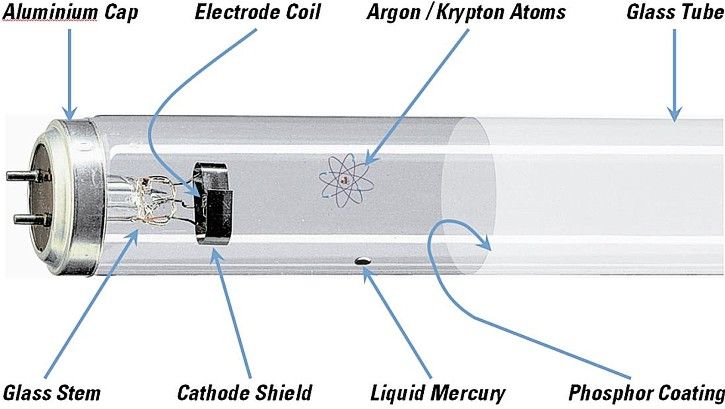
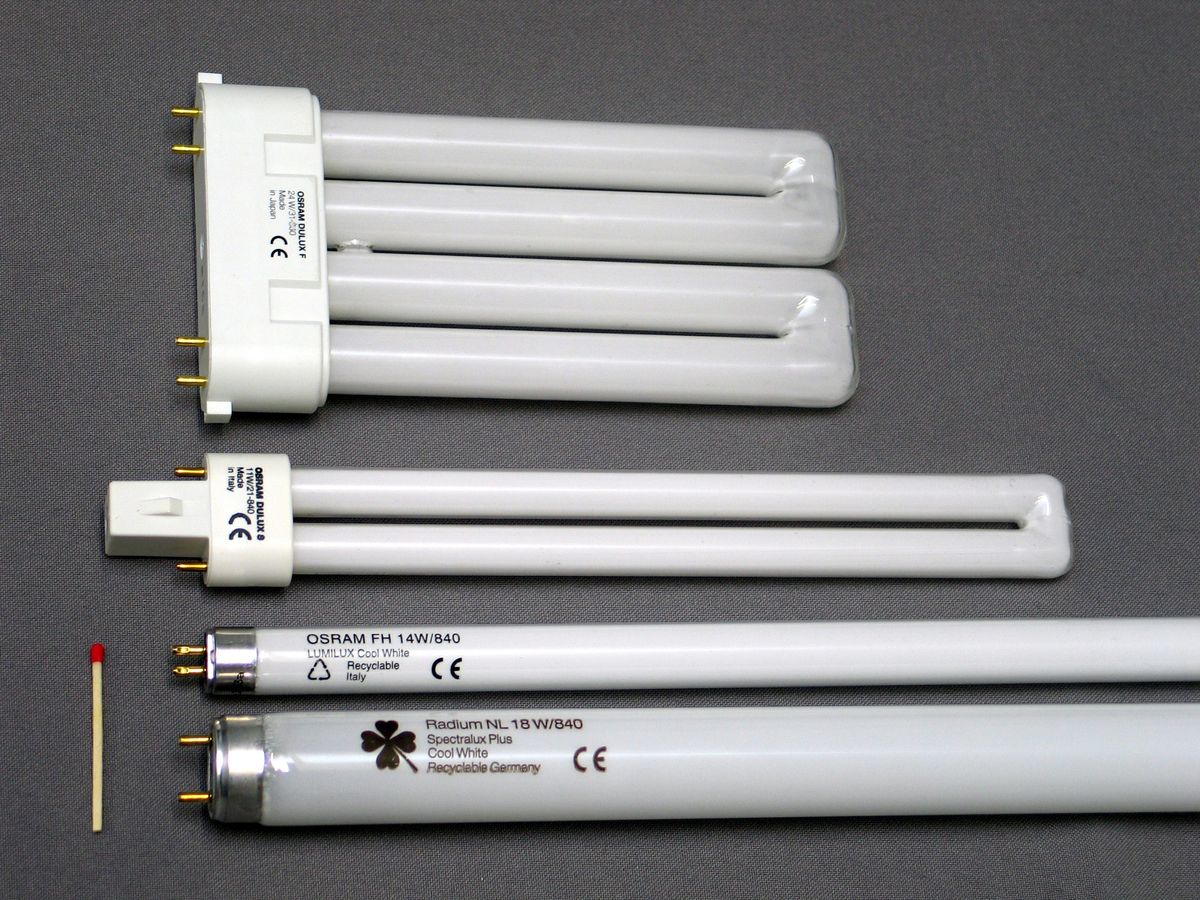
Fluorescent tubes are long, tubular lights that produce illumination through electrical discharge in mercury vapor. They are popular due to energy efficiency but pose environmental risks because of the toxic mercury content.
Why Recycling is Crucial
-
Environmental Safety: Mercury and phosphor coatings can harm soil, water, and wildlife.
-
Legal Compliance: Improper disposal can lead to fines under environmental laws.
-
Resource Recovery: Recycled tubes can reclaim glass, metals, and phosphor, reducing landfill waste.
How to Recycle Fluorescent Tubes
Step-by-Step Recycling Process
-
Collection: Store spent fluorescent tubes safely in a rigid container to prevent breakage.
-
Drop-Off Locations: Find certified recycling centers or hazardous waste facilities. Some hardware stores also offer recycling programs.
-
Transportation: Avoid breaking the tubes; mercury can evaporate, posing health hazards.
-
Processing: Recycling facilities crush and separate the tubes’ glass, metal, and mercury. Mercury is safely captured for reuse.
Home vs. Business Recycling
-
Homeowners: Usually small quantities. Local collection programs and municipal drop-offs are ideal.
-
Businesses Often deal with large volumes. Contracting waste management companies specializing in fluorescent tube recycling is cost-effective and compliant with regulations.
Common Mistakes to Avoid
-
Throwing tubes in regular trash.
-
Breaking tubes before disposal.
-
Ignoring local regulations.
Cost of Recycling Fluorescent Tubes
One common question: “How much does it cost to recycle fluorescent tubes?” Costs vary depending on volume, location, and service provider.
Average Costs
-
Home Users: $1–$3 per tube at local collection points.
-
Businesses: $50–$200 for bulk pickups, depending on quantity.
-
Specialty Services: Some offer free recycling for large orders to encourage sustainability.
Factors Influencing Cost
-
Tube length and type.
-
Collection and transportation distance.
-
Local environmental regulations.
Tip: Combining collections and scheduling pickups with certified facilities can reduce overall costs.
How to Recycle Fluorescent Tube Lights Efficiently
Partner With Certified Recyclers
Look for EPA-certified facilities or licensed hazardous waste management companies. Check their website for tube acceptance policies.
Use Take-Back Programs
Some lighting manufacturers or retailers offer take-back programs where you can return old tubes for free or minimal fees.
Explore Mail-Back Options
For remote locations, specialized mail-back kits are available for safe disposal.
Maximize Safety
-
Wear gloves and goggles when handling tubes.
-
Avoid dropping or crushing tubes.
-
Label boxes “Hazardous Material – Fluorescent Tubes” for safety during transport.
By following these steps, both homeowners and businesses can safely and responsibly manage their lighting waste. Partnering with certified recyclers and Residential Junk Removal services ensures the process is convenient, compliant, and eco-friendly.
Proper Way to Dispose of Fluorescent Light Tubes
Disposing of fluorescent tubes safely is critical due to the mercury content and potential environmental risks. Whether you have a few old tubes at home or large quantities in a business, following the right disposal steps ensures safety and legal compliance.
Broken bulbs or tubes can easily cut hands, release hazardous substances, or cause fires if mishandled. Using proper containment, following local recycling regulations, and leveraging certified recycling facilities ensures that fluorescent tubes and light bulbs are disposed of safely, protecting both people and the planet.
You May Also Read: How to properly dispose of light bulbs
DIY Alternatives for Small Quantities
If you only have a few tubes, you can follow safe DIY approaches:
-
Wrap each tube in cardboard or bubble wrap.
-
Place in a sturdy box labeled “Fluorescent Tubes – Hazardous Material.”
-
Drop off at a local recycling center or municipal hazardous waste day.
Avoid DIY mercury recovery; it’s unsafe and illegal in most regions.
Environmental Benefits of Fluorescent Tube Recycling
Recycling fluorescent tubes reduces environmental impact in multiple ways:
-
Mercury Containment: Prevents soil and water contamination.
-
Resource Conservation: Reuses glass, metals, and phosphors.
-
Energy Savings: Manufacturing new tubes consumes more energy than recycling old ones.
Businesses showcasing sustainability in lighting disposal also benefit from positive public perception, enhancing brand trust. At Junk Masterz, we help companies implement safe and eco-friendly fluorescent tube and light bulb recycling practices, reinforcing their commitment to sustainability while maintaining compliance with environmental regulations.
Conclusion
Recycling fluorescent tubes is not only environmentally responsible but also legally required in many regions. These tubes contain mercury and other materials that, if improperly disposed of, can harm the environment and human health. By understanding how to recycle fluorescent tube lights safely, knowing how much it costs to recycle fluorescent tubes, and following proper disposal practices, you can protect your home, business, and community from potential hazards.
Beyond safety, recycling fluorescent tubes offers significant economic and environmental benefits. Valuable materials such as glass, metals, and phosphors can be reclaimed, reducing the demand for raw materials and conserving energy. Businesses that implement proper recycling practices also gain a competitive edge, showcasing sustainability and compliance with environmental regulations—an increasingly important factor for customers, partners, and regulators.
Modern recycling programs and take-back initiatives make the process easier than ever. Whether you are a homeowner with a few tubes or a business managing large quantities, leveraging certified recycling centers, retailer programs, and professional waste management services ensures your tubes are handled safely, efficiently, and legally.
Finally, taking the step to recycle fluorescent tubes contributes to a healthier planet, reduces hazardous waste, and supports a circular economy. By acting responsibly today, you are helping create a safer environment for future generations while demonstrating leadership in sustainability. Remember, every tube recycled counts—so make it a priority, follow the right practices, and spread awareness about the importance of proper fluorescent tube recycling.
FAQS
How to recycle fluorescent light tubes at home?
Store tubes in a rigid container and drop them off at a certified recycling center or participate in your local municipal collection programs. This ensures that mercury and other hazardous materials are handled safely.
How much does it cost to recycle fluorescent tubes?
Costs vary depending on location and quantity. For homeowners, it typically ranges from $1–$3 per tube, while businesses may pay between $50–$200 for bulk recycling. Some programs, especially take-back initiatives, may even offer free recycling for small quantities.
Can I throw fluorescent tubes in regular trash?
No. Improper disposal can release toxic mercury into the environment and violate local, state, or national environmental laws. Always use certified recycling options.
Are there recycling programs offered by retailers?
Yes. Many lighting manufacturers and retailers provide take-back programs that accept old fluorescent tubes. These programs often make recycling easier for homes and businesses.
Can broken fluorescent tubes be recycled?
Yes, but extra precautions are required. Handle broken tubes carefully, wear gloves, store them in a sealed container, and take them to a certified recycling facility to prevent mercury exposure.
What types of fluorescent tubes can be recycled?
Most fluorescent tubes, including T5, T8, T12, and compact fluorescent lamps (CFLs), are recyclable. Always confirm with your local recycling facility to ensure they accept the type you have.
Can I recycle fluorescent tubes if they are very old?
Yes. Older tubes can still be recycled, and doing so safely captures hazardous materials like mercury while recovering valuable resources such as glass and metals.
Are there special precautions for transporting fluorescent tubes?
Absolutely. Always transport tubes in rigid, padded containers, avoid dropping them, label the box as hazardous, and handle broken tubes with extra care using gloves and goggles.
How often should businesses recycle fluorescent tubes? The frequency depends on usage. High-usage facilities may need monthly or quarterly recycling, while smaller offices may only require annual collection. Regular recycling ensures compliance and safety.
What happens to recycled fluorescent tubes?
At specialized facilities, tubes are crushed, and materials are separated. Glass, metals, and phosphors are recovered, while mercury is safely captured for industrial reuse, minimizing environmental contamination.
Can I recycle fluorescent tubes through curbside pickup?
In most areas, curbside garbage collection does not accept fluorescent tubes because of the mercury hazard. Instead, use municipal hazardous waste programs, retailer take-back initiatives, or certified recycling centers.
Is there a fee for recycling at certified facilities?
Fees depend on quantity and location. Homeowners usually pay $1–$3 per tube, while businesses recycling in bulk may pay $50–$200. Some programs may offer free recycling to encourage proper disposal.
Can broken tubes release mercury indoors?
Yes. Breaking a fluorescent tube can release mercury vapor, which is toxic if inhaled. Always handle broken tubes with gloves, seal them in a sturdy container, and deliver them promptly to a certified recycling facility.
Why is recycling fluorescent tubes better than disposing of them in landfills?
Landfills can allow mercury and other toxic chemicals to leach into soil and water, posing serious environmental and health risks. Recycling prevents contamination, conserves resources, and supports a circular economy.
Are there eco-friendly alternatives to fluorescent tubes?
Yes. LED tubes and bulbs are more environmentally friendly—they contain no mercury, last longer, and consume less energy. However, any old fluorescent tubes should still be recycled properly to prevent pollution.