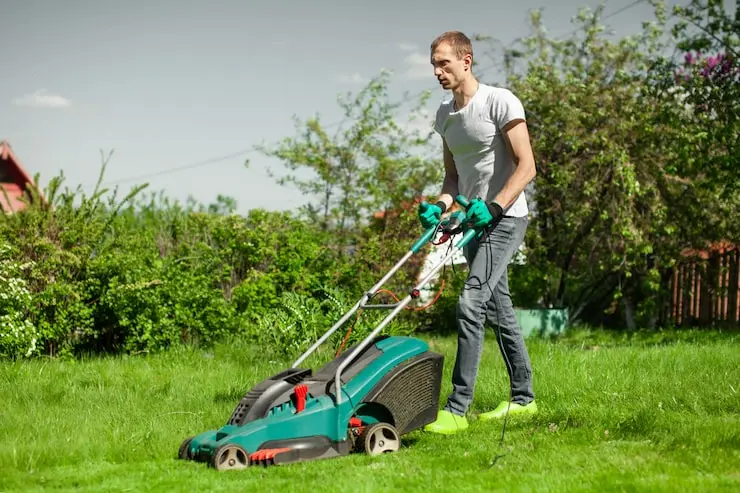
An old lawn mower can quickly turn into a problem. It’s heavy, messy, and not something you can leave on the curb like normal trash. That’s why many homeowners end up searching how to dispose of lawn mower after realizing it’s not as simple as it looks.
Some try to dump it. Others leave it sitting in the garage for years.
The truth is, lawn mowers need special handling because they contain fuel, oil, and metal parts. If you don’t deal with it properly, you could harm the environment or even break local waste rules.
This guide will show you simple, realistic ways to handle the problem, whether your mower is broken, outdated, or still working.
How To Dispose Of Lawn Mower
Throwing an old lawn mower out with regular trash isn’t a good idea. Lawnmowers often contain gasoline, oil, batteries, and metal parts that can harm soil and water if left in a landfill. Many towns treat them as bulky waste or hazardous materials, and they may not accept them curbside without preparation. Improper disposal sometimes leads to fines and environmental hazards.
Also, most parts of a lawn mower are recyclable. Steel, aluminum, and some plastics can be broken down and used again. Knowing how to recycle old lawn mower parts gives them a second life and reduces waste. It also helps you find disposal options that might even pay a small amount for scrap metal.
Prepare the Mower for Disposal
Before doing anything else, get your mower ready. This step makes sure disposal goes smoothly and follows local requirements.
Remove Fluids
Gasoline and oil are hazardous. They can contaminate soil and water if dumped improperly. Always drain them into proper containers and take them to a household hazardous waste facility or a recycling center that accepts used oil and fuel. Many auto parts stores also accept used oil. proper waste handling and recycling practices help reduce landfill waste and protect the environment.
Drain the gas tank first. If there’s just a little fuel left, you might run the engine until it’s empty. Then drain the engine oil into a sealed container. This step keeps hazardous waste out of landfills.
Disconnect Batteries
If you have a riding mower or an electric mower, remove the battery. Lead-acid and lithium batteries contain chemicals that need special recycling, so take them to a battery recycling center or auto parts store that collects them.
Clean and Disassemble
Take off any grass, dirt, or debris. Sometimes removing plastic parts, rubber tires, or fiberglass makes it easier to recycle the metal portions. This also makes transporting your mower safer and simpler.
Common Mistakes People Make
Before we talk about solutions, let’s look at what NOT to do.
Many people:
- Throw the mower in regular trash
- Forget to remove fuel or oil
- Leave it outside to rust
- Dump it illegally
These mistakes can lead to:
- Environmental damage
- Safety risks
- Possible fines
If you’ve been wondering how do I get rid of an old lawn mower, avoiding these mistakes is the first step.
Why Lawn Mowers Are Hard to Dispose Of
A lawn mower is not just one item. It’s made of different materials:
- Metal frame
- Plastic covers
- Engine components
- Fuel and oil
- Battery (in some models)
Each part needs a different type of handling. That’s why disposing of lawn mower requires more effort than normal junk. To avoid the hassle and ensure everything is handled safely, it’s best to hire a well-reputed company that can manage the entire process properly.
Disposal Methods for Broken Mowers
If your mower won’t run anymore, you still have good options.
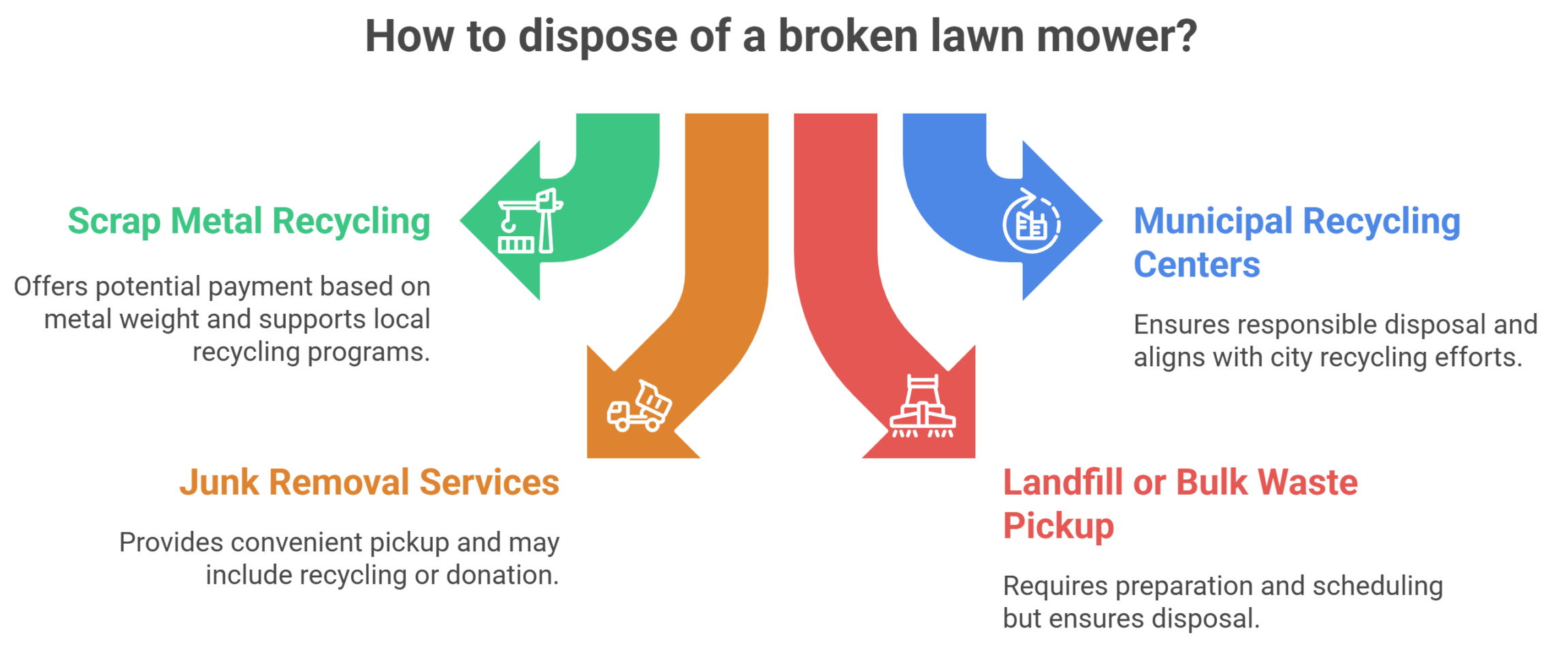
Scrap Metal Recycling
Scrap yards accept old mowers because they’re mostly steel and other valuable metals. After you’ve drained fluids and removed hazards, many scrap yards will take the mower and might even pay you based on metal weight. This is a practical answer to how to get rid of a lawn mower when it’s just scrap.
Call ahead to check what they accept and whether they pay for certain metals. In many places, metal recycling helps reduce landfill waste and supports local recycling programs. In the scrap metal recycling section, you can add that if you are not sure where to take your mower, you can find local recycling centers near you that accept lawn equipment.
Municipal Recycling Centers
Many cities have recycling centers or bulk waste drop-off events where you can bring items like lawn mowers. These centers often accept large metal items and either recycle them or dispose of them responsibly. Always call first to confirm the center can take a mower.
Junk Removal Services
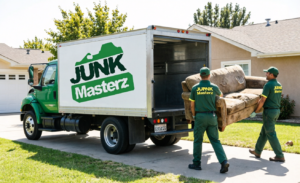
If transporting your mower is hard, professional junk removal companies can make the process simple. They pick up bulky items directly from your home, carefully handle hazardous materials such as fuel, oil, and batteries, and sort the mower for recycling, donation, or proper disposal. These companies ensure that all materials are processed safely and in accordance with local disposal regulations, reducing environmental impact and saving you time and effort.
Landfill or Bulk Waste Pickup
Some households end up taking the mower to a landfill after preparing it. Others schedule a waste pickup through their city’s waste services. Many municipalities require you to schedule this in advance and will not pick up items with fluids still inside.
Options for Working Mowers
If your mower still works or can be easily fixed, you have more options that keep it useful instead of sending it to a landfill.
Donate to Charity
Many organizations take working lawn mowers. Charities, community gardens, or nonprofit organizations often need lawn care equipment. Before dropping it off, make sure it’s clean and operational.
Donation gives your mower a second life and helps someone else, which is one of the most responsible ways to handle old lawn mower disposal.
Sell or Give Away
Platforms like online marketplaces or local community boards can connect you with buyers or people who want it for parts or repair. Many people also post free items on community groups, and someone might pick up your mower quickly.
Trade-In Programs
Some retailers offer trade-in or recycling programs when you buy a new mower. This can simplify how to dispose of a lawn mower and sometimes offer a discount on new equipment. Call ahead to find out if a store near you has a take-back program.
COST VS EFFORT
| Method | Cost | Effort | Best For |
|---|---|---|---|
| Scrap yard | Free / earn | Medium | Broken mowers |
| Recycling center | Low | Medium | Eco-conscious users |
| Selling | Free | High | Working mowers |
| Donation | Free | Low | Helping others |
| Junk service | Paid | Very low | Convenience |
Eco-Friendly and Legal Tips
There’s more to disposing of your mower than just dropping it off somewhere. If you skip proper preparation, you could break local rules or damage the environment.
Follow Local Regulations
Many areas have strict rules about how to dispose of hazardous materials like gasoline, oil, or batteries. Putting a lawn mower on the curb with fluids still inside may be illegal in your town. You might face fines if crews find hazardous items or if the waste department won’t pick it up.
Check with your city’s waste management or environmental office to find out what is allowed and what isn’t.
Handle Fluids Responsibly
Gas and oil are toxic. You must never pour them onto the ground, down a drain, or into regular trash. Taking them to a designated hazardous waste facility helps protect soil and water. Many communities also offer special collection events for hazardous fluids.
Recycle Batteries Separately
Batteries can cause fires in waste trucks and landfills if not handled correctly. Separate them and take them to battery recycling centers or auto shops that accept them.
Environmental Impact
Improper disposal can:
- Pollute water
- Harm soil quality
- Release toxic chemicals
Recycling helps:
- Reduce landfill waste
- Save natural resources
- Lower pollution levels
This is why proper disposal matters beyond just getting rid of junk.
LOCAL TIP
In many areas, waste services do not accept lawn mowers unless they are prepared properly.
Instead of dealing with rules and transport, many homeowners now choose Junk pickup services to save time.
Conclusion
Properly disposing of a lawn mower is more than just getting rid of an old machine—it’s about safety, legality, and protecting the environment. Following the right steps for how to dispose of lawn mower ensures that hazardous fluids, batteries, and metal parts are handled responsibly, keeping your home and community safe.
If you’re wondering how to dispose of lawn mower without hassle, there are multiple smart options: recycling, donation, selling, or taking it to a local recycling or bulk waste facility.
By taking the proper approach, you’re not only freeing up space but also making a positive impact on the environment. With the right steps, disposing of your lawn mower safely and legally has never been easier.
FAQs
How do you dispose of a lawnmower safely?
To dispose of a lawnmower safely, drain all gasoline and oil first. Remove the battery if the mower has one. After that, take the mower to a scrap metal recycler, municipal recycling center, or schedule a bulk pickup. Many cities do not accept lawn mowers with fluids still inside.
Can you throw a lawnmower in the trash?
Most cities do not allow lawn mowers in regular trash. Gas, oil, and batteries make them unsafe for landfill disposal. Many waste departments treat lawn mowers as bulky or hazardous items, which require special drop-off or scheduled pickup.
Where can I dispose of a lawn mower near me?
You can dispose of a lawn mower at local recycling centers, scrap metal yards, or city bulk waste facilities. Some areas also offer seasonal hazardous waste events. Contact your local waste management office for location-specific rules.
How do I dispose of a lawn mower with gas in it?
Never dispose of a lawn mower with gas still inside. Drain the fuel into an approved container and take it to a hazardous waste or fuel recycling facility. Many auto parts stores accept used oil and fuel for proper handling.
How to recycle an old lawn mower?
To recycle an old lawn mower, remove fluids and batteries first. Most recycling centers and scrap yards accept lawn mowers because they contain steel and aluminum. Some centers ask you to separate plastic or rubber parts before drop-off.
What is the best way to get rid of a broken lawn mower?
Scrap metal recycling is often the best option for broken mowers. If transportation is a problem, junk removal services that recycle metal can pick it up. Municipal bulk disposal also works if local rules allow it.
Can I donate a working lawn mower?
Yes, working lawn mowers can often be donated to charities, community gardens, schools, or local nonprofits. Clean the mower and confirm it runs before donating. Donation keeps equipment in use and reduces waste.
How do I dispose of a riding lawn mower?
Riding mower disposal follows the same steps as push mowers but on a larger scale. Drain all fluids, remove the battery, and contact a scrap yard, recycler, or junk removal service that handles heavy equipment. Many cities require advance scheduling due to size.
Is lawn mower disposal free?
Some recycling centers and city programs accept lawn mowers at no cost. Scrap yards may even pay for the metal. Junk removal services usually charge based on size and weight. Costs depend on your location and disposal method.
Why is proper lawn mower disposal necessary?
Lawn mowers contain hazardous materials that can pollute soil and water if dumped improperly. Responsible disposal protects the environment, follows local laws, and allows valuable materials like metal to be reused instead of wasted.