Every business creates waste. Whether you own a retail store, office, restaurant, warehouse, or construction company, dealing with commercial waste is part of daily operations. The challenge is finding a disposal method that is cost-effective, environmentally responsible, and compliant with local regulations.
Choosing the best ways to dispose of commercial waste does more than keep your property clean. It reduces landfill waste, lowers disposal costs, improves workplace safety, and strengthens your company’s environmental reputation.
This guide explains practical business waste disposal methods, recycling opportunities, waste reduction strategies, and legal requirements. You’ll also learn how businesses can develop an efficient waste management system that saves money while protecting the environment.
What Is Commercial Waste?
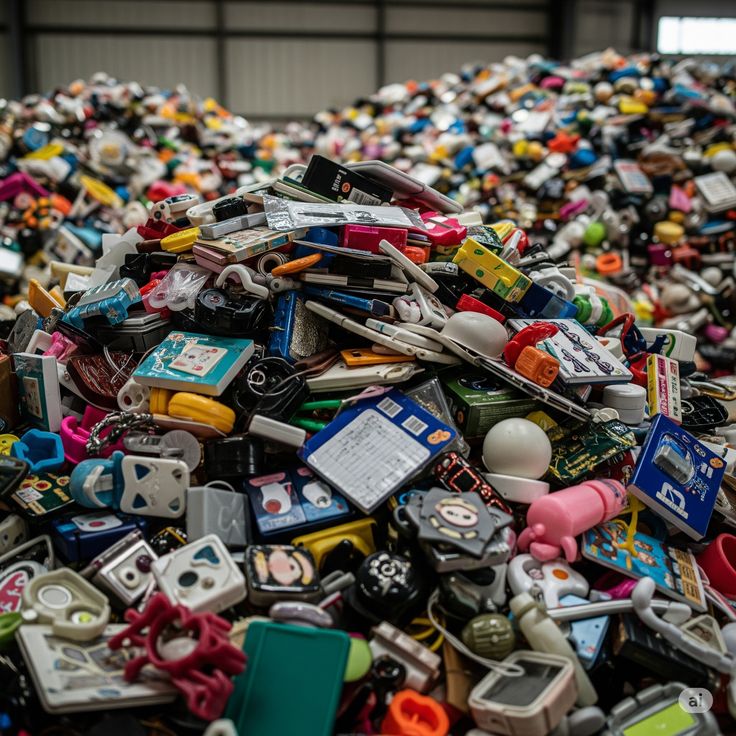
Commercial waste refers to any waste generated by businesses, organizations, or commercial properties during their daily operations. Unlike household waste, commercial waste is often produced in larger quantities and may require specialized disposal methods.
Businesses of every size produce waste, including:
- Offices
- Retail stores
- Restaurants
- Hotels
- Warehouses
- Schools
- Healthcare facilities
- Construction companies
- Manufacturing plants
The type of waste varies depending on the industry, but most businesses generate a combination of recyclable, organic, and non-recyclable materials.
Common Types of Commercial Waste
Office Waste
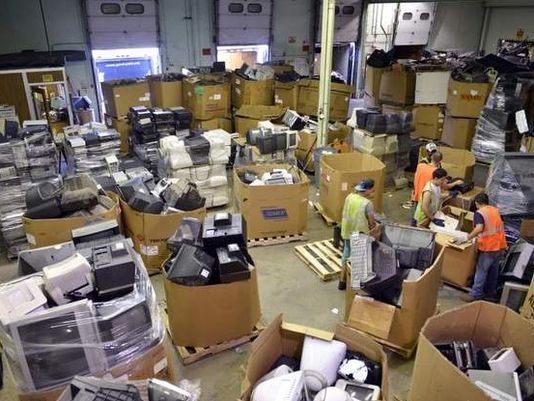
Office buildings generate large amounts of paper and packaging materials every day. Common examples include:
- Paper
- Cardboard
- Printer cartridges
- Old office furniture
- Computers and monitors
- Plastic packaging
Many of these materials can be recycled or donated instead of being sent to a landfill.
Retail Waste

Retail stores often produce waste from shipping and inventory management.
Examples include:
- Cardboard boxes
- Plastic wrap
- Damaged merchandise
- Display materials
- Shopping bags
Proper sorting allows many of these materials to be recycled.
Restaurant Waste
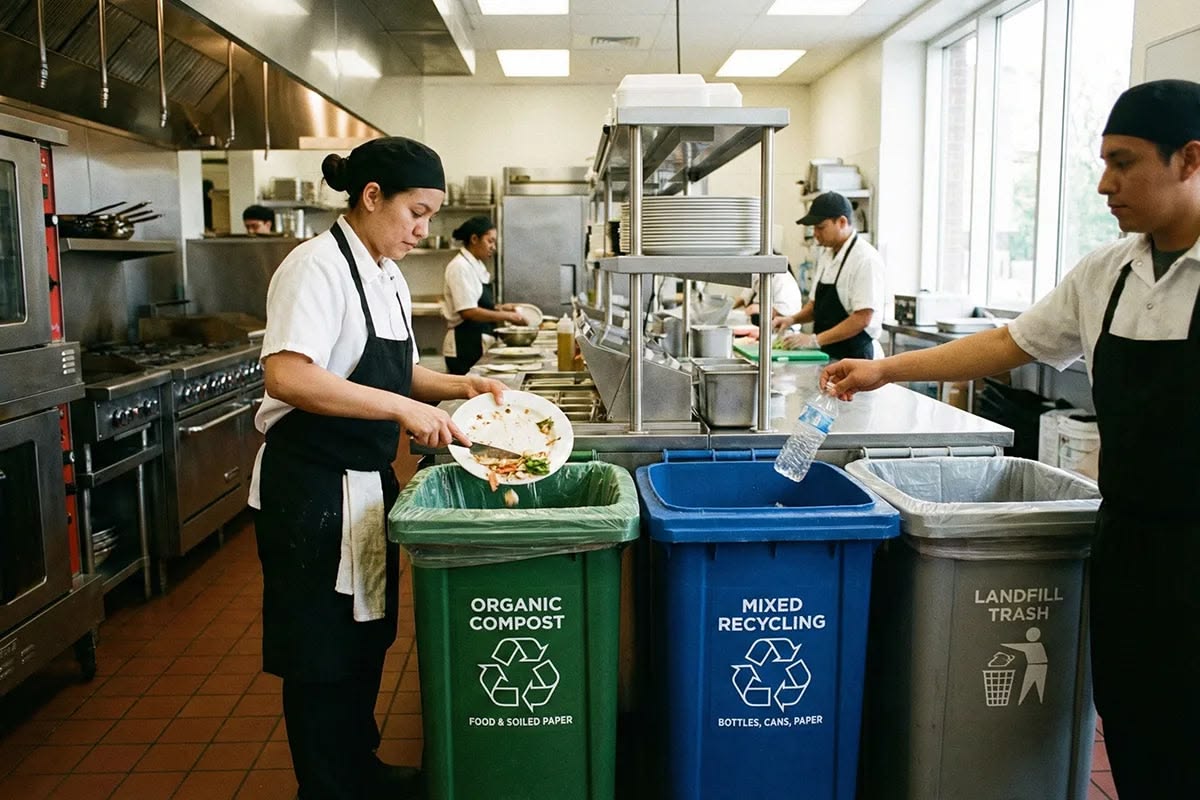
Restaurants create significant amounts of organic waste.
Examples include:
- Food scraps
- Cooking oil
- Cardboard packaging
- Plastic containers
- Glass bottles
- Aluminum cans
Food waste can often be composted instead of discarded.
Construction Waste
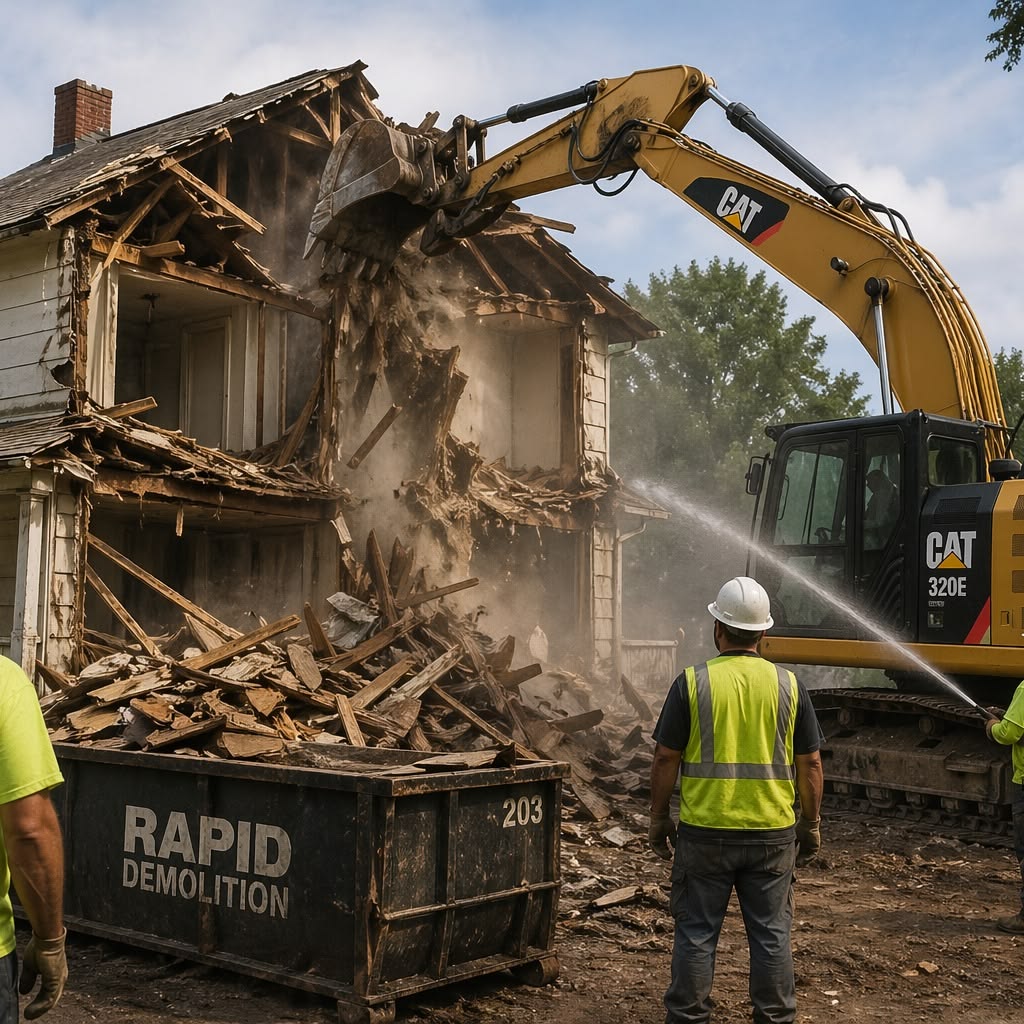
Construction and renovation projects generate bulky debris that requires special handling.
Common materials include:
- Wood
- Drywall
- Concrete
- Bricks
- Roofing shingles
- Scrap metal
Many of these materials can be recycled through specialized facilities.
Industrial Waste
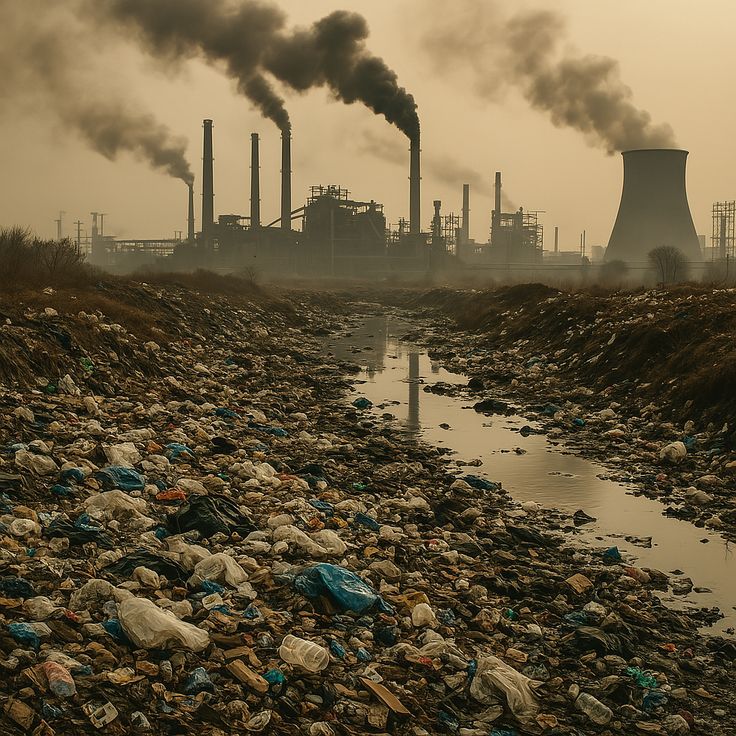
Manufacturing businesses may produce:
- Metal scraps
- Packaging materials
- Wooden pallets
- Plastic components
- Production offcuts
Some industrial waste requires professional handling to ensure safe disposal.

Why Proper Business Waste Disposal Matters
Improper waste disposal can lead to much more than overflowing dumpsters.
Businesses may face:
- Regulatory fines
- Environmental violations
- Higher hauling costs
- Safety hazards for employees
- Negative customer perception
According to the U.S. Environmental Protection Agency (EPA), businesses can significantly reduce landfill waste through recycling and waste prevention programs.
Proper waste management also helps businesses meet sustainability goals and improve operational efficiency.
Best Ways to Dispose of Commercial Waste
1. Reduce Waste Before It Is Created
The cheapest waste is the waste you never produce.
Many businesses focus only on disposal while overlooking waste reduction.
Simple improvements include:
- Ordering supplies in bulk
- Switching to reusable containers
- Using digital invoices
- Reducing paper printing
- Buying products with less packaging
For example, one regional office with approximately 80 employees switched to digital documentation and reduced paper purchases by nearly 45% within one year. The savings covered the cost of new document management software while reducing waste collection needs.
Reducing waste at the source is often the most effective business waste disposal strategy.
2. Separate Waste for Better Recycling
Mixing all waste into one dumpster makes recycling difficult.
Instead, separate materials into dedicated containers such as:
Paper
Office paper
Newspapers
Cardboard
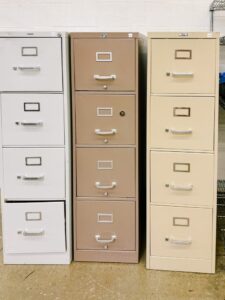
You can also get guidance on how to get rid of office furniture
Plastic
Bottles
Packaging film
Containers
Metal
Aluminum cans
Steel
Copper
Scrap metal
Glass
Beverage bottles
Food jars
Organic Waste
Food scraps
Coffee grounds
Landscape debris
Segregating waste improves the commercial waste recycling process and lowers disposal costs because recyclable materials are diverted from landfills.
Many recycling companies also offer rebates for high-volume cardboard, aluminum, and scrap metal.
3. Recycle Commercial Waste Whenever Possible
Recycling is one of the most effective long-term commercial waste solutions.
Most businesses can recycle:
- Cardboard
- Office paper
- Aluminum
- Steel
- Plastic containers
- Glass bottles
- Wooden pallets
- Electronics
- Printer cartridges
Restaurants can recycle cooking oil.
Manufacturers can recycle scrap metal.
Construction companies can recycle concrete, asphalt, and clean wood.
Developing a recycling program not only protects the environment but also reduces hauling fees since recyclable materials weigh less than mixed trash.
4. Hire a Professional Commercial Waste Removal Company
Some waste simply cannot be handled internally.
Licensed commercial waste removal services include:
- Scheduled pickups
- Roll-off dumpsters
- Recycling services
- Bulk item removal
- Construction debris hauling
- Office cleanout services
- Warehouse cleanups
Professional haulers understand local disposal regulations and transport waste to approved recycling centers and disposal facilities.
For businesses producing large volumes of waste each week, outsourcing disposal often proves more cost-effective than managing multiple vendors.
When comparing providers, ask about:
- Recycling rates
- Pickup frequency
- Pricing structure
- Accepted materials
- Environmental certifications
- Emergency cleanup services
Choosing an experienced waste removal company can simplify compliance while reducing labor costs.
5. Donate Items Instead of Throwing Them Away
Many businesses discard furniture, equipment, and office supplies that still have value.
Consider donating:
- Office desks
- Filing cabinets
- Chairs
- Shelving
- Computers
- Monitors
- Printers
- Appliances
Local charities, schools, nonprofits, and community organizations often accept gently used business equipment.
Donation reduces landfill waste while supporting local communities and may even provide tax benefits depending on applicable regulations.
6. Compost Organic Commercial Waste
Businesses in the food industry generate significant organic waste.
Items suitable for composting include:
- Fruit scraps
- Vegetable peelings
- Coffee grounds
- Tea bags
- Yard trimmings
- Leaves
- Food preparation waste
Restaurants, hotels, grocery stores, and cafeterias can reduce landfill disposal costs through commercial composting programs.
Organic waste becomes valuable compost instead of producing methane emissions in landfills.
7. Dispose of Hazardous Commercial Waste Safely
Not all business waste can go into a standard dumpster. Many industries generate hazardous materials that require special handling to protect workers, the public, and the environment.
Common hazardous commercial waste includes:
- Paints and solvents
- Cleaning chemicals
- Automotive fluids
- Pesticides
- Batteries
- Fluorescent light bulbs
- Aerosol cans
- Medical waste
- Laboratory chemicals
Learning how to dispose of commercial waste safely starts with identifying hazardous materials. Store these items in clearly labeled containers and keep them separate from regular trash. Never pour chemicals into drains or place them in standard dumpsters unless local regulations specifically allow it.
Work with licensed hazardous waste transporters and disposal facilities to ensure compliance with federal, state, and local regulations.
First-hand insight: During an office renovation project, one business discovered several boxes of old fluorescent tubes mixed with general construction debris. Separating the bulbs for proper recycling avoided contamination of the remaining waste and prevented additional disposal charges from the hauler.
8. Recycle Electronic Waste (E-Waste)
Electronic devices contain valuable materials such as aluminum, copper, and precious metals, but they may also contain hazardous components.
Instead of sending electronics to a landfill, recycle items such as:
- Computers
- Laptops
- Servers
- Monitors
- Keyboards
- Printers
- Networking equipment
- Mobile phones
- Hard drives
Many certified electronics recyclers securely erase business data before recycling equipment, helping protect sensitive company information.
Replacing equipment every few years? Schedule periodic e-waste collections instead of storing outdated devices in offices or warehouses.
Create a Waste Disposal Business Plan
Every business benefits from having a structured waste management strategy. A simple waste disposal business plan helps reduce costs, improve recycling rates, and ensure regulatory compliance.
Include these key elements:
Identify Waste Streams
Record every type of waste your business generates, including recyclables, organic waste, hazardous materials, and general trash.
Set Waste Reduction Goals
Examples include:
- Reduce landfill waste by 30% within one year.
- Increase cardboard recycling by 50%.
- Eliminate single-use plastics in employee break rooms.
Assign Responsibilities
Designate employees to oversee recycling stations, waste audits, and vendor communication.
Review Disposal Costs
Compare invoices regularly to identify opportunities for reducing pickup frequency or improving recycling.
Measure Performance
Track:
- Monthly waste volume
- Recycling percentage
- Disposal costs
- Number of pickups
- Contamination rates
Reviewing these metrics every quarter helps businesses continuously improve their waste management practices.
Commercial Waste Disposal Checklist
Use this simple commercial waste disposal checklist to keep your business organized.
- Separate recyclable materials
- Label waste containers clearly
- Store hazardous waste safely
- Schedule regular waste collection
- Train employees on proper disposal
- Recycle electronics responsibly
- Compost organic waste where possible
- Donate reusable office furniture and equipment
- Conduct quarterly waste audits
- Keep disposal records for compliance
Following a checklist reduces mistakes and creates a more efficient waste management process.
Where to Dispose of Commercial Waste
If you’re wondering where to dispose of commercial waste, the answer depends on the type of material.
Typical disposal options include:
- Licensed commercial transfer stations
- Municipal recycling facilities
- Commercial composting sites
- Certified electronics recycling centers
- Hazardous waste collection facilities
- Construction and demolition recycling centers
- Professional commercial waste removal companies
Before transporting waste yourself, check local regulations regarding accepted materials, operating hours, and documentation requirements.
Real-World Example: Reducing Waste Disposal Costs
A mid-sized distribution warehouse generating approximately 18 cubic yards of mixed waste each week noticed steadily increasing disposal expenses.
After conducting a waste audit, the business found that nearly 45% of its dumpster contents consisted of clean cardboard and plastic wrap.
The company introduced separate recycling containers, trained employees on waste sorting, and adjusted collection schedules.
Within six months:
- Landfill waste dropped by approximately 40%.
- Recycling volume more than doubled.
- Waste hauling costs decreased by nearly 25%.
- Employee participation improved through simple signage and monthly reminders.
This example shows that improving the commercial waste recycling process often delivers measurable financial and environmental benefits.
Business Waste Disposal Tips
These practical business waste disposal tips can help businesses save money and operate more efficiently:
- Perform a waste audit at least once each year.
- Place recycling bins next to every trash container.
- Buy products made from recycled materials whenever possible.
- Choose suppliers that minimize packaging.
- Train new employees on disposal procedures.
- Monitor dumpster contamination regularly.
- Schedule waste pickups based on actual waste volume rather than fixed dates.
- Review waste management contracts annually.
Small operational improvements often lead to significant long-term savings.
Conclusion
Finding the best ways to dispose of commercial waste is about more than simply removing trash. An effective waste management strategy reduces operating costs, supports environmental goals, improves workplace safety, and helps businesses comply with regulations.
By reducing waste at the source, recycling valuable materials, composting organic waste, safely handling hazardous items, and partnering with reliable commercial waste removal providers, businesses can create a cleaner and more efficient operation.
Start with a waste audit, implement the commercial waste disposal checklist, and review your results regularly. Even small improvements can lead to significant long-term savings while demonstrating your commitment to responsible business practices.
Frequently Asked Questions
1. What are the best ways to dispose of commercial waste?
The best ways include reducing waste at the source, recycling paper, cardboard, plastic, and metal, composting organic materials, donating reusable items, and using licensed commercial waste removal services. Businesses should also separate hazardous waste and follow local regulations to ensure safe and legal disposal.
2. How can businesses reduce commercial waste disposal costs?
Businesses can lower costs by conducting waste audits, improving recycling programs, reducing packaging, scheduling pickups based on actual waste volume, and training employees to separate recyclable materials properly. These steps reduce landfill waste and often decrease hauling fees.
3. Where should commercial waste be disposed of?
Commercial waste should be taken to approved transfer stations, recycling facilities, composting centers, hazardous waste facilities, or electronics recycling centers, depending on the material. Many businesses also rely on licensed commercial waste removal companies for collection and transportation.
4. Why is commercial waste recycling important?
Commercial recycling conserves natural resources, reduces landfill use, lowers greenhouse gas emissions, and often reduces disposal expenses. Recycling valuable materials such as cardboard, metal, plastic, and paper also supports a more sustainable business operation.
5. What should a commercial waste disposal plan include?
A waste disposal plan should identify waste streams, establish recycling goals, assign employee responsibilities, monitor disposal costs, schedule regular waste collection, and review performance through periodic waste audits. A written plan helps businesses stay organized and compliant.