
Styrofoam is everywhere—protecting fragile shipments, insulating food containers, and filling packaging boxes. But once you’re done using it, a common question arises: how to dispose of styrofoam? Unlike regular household waste, Styrofoam requires careful handling due to its environmental impact and limited recycling options.
In this detailed guide, you’ll learn the best way to dispose of styrofoam, whether you can burn it, how recycling works, and smart alternatives that are safer for the environment.
What Is Styrofoam and Why Is Disposal Difficult?
Styrofoam is a type of expanded polystyrene (EPS), a lightweight plastic material made from petroleum. It is widely used because it is cheap, durable, and an excellent insulator.
However, disposing of Styrofoam is challenging because:
- It is not biodegradable
- It breaks into tiny pieces, polluting land and water
- Most recycling centers do not accept it
- It takes hundreds of years to decompose
Because of these factors, understanding how to dispose of styrofoam correctly is essential for reducing environmental harm.
Can You Burn Styrofoam Packaging?
One of the most frequently asked questions is: Can you burn styrofoam packaging?
The Short Answer: No
Burning Styrofoam is dangerous and strongly discouraged.
Why Burning Is Unsafe
- Releases toxic chemicals like styrene and carbon monoxide
- Produces thick, black smoke, harmful to the lungs
- Contributes to air pollution and health risks
- Illegal in many areas due to environmental laws
So if you’re wondering, “Can you burn styrofoam to get rid of it?”—the answer is a firm no. It is neither safe nor environmentally responsible.
Styrofoam Recycling: Is It Possible?
Yes, But Limited
Styrofoam recycling is possible, but not widely available. Unlike paper or glass, EPS requires specialized facilities.
How Recycling Works
Recycling centers:
- Clean and shred the foam
- Compress it into dense blocks
- Melt and reuse it to create new plastic products
Where to Recycle Styrofoam
You can recycle Styrofoam at:
- Specialized recycling facilities
- Certain municipal waste programs
- Drop-off locations (often for clean packaging only)
Tips Before Recycling
- Remove tape, labels, and food residue
- Keep it clean and dry
- Check local regulations or recycling directories.
Also Read: Best Methods to Get Rid of Junk
How to Dispose of Styrofoam: Best Way to Dispose of Styrofoam
If recycling is not an option, you still have responsible disposal methods.
1. Reuse It Whenever Possible
Before throwing it away, consider reusing Styrofoam:
- Packing material for shipping
- Cushioning for storage
- Insulation for small DIY projects
This is one of the simplest and most eco-friendly solutions.
2. Donate Packing Materials
Many businesses and individuals need packaging materials. You can donate clean Styrofoam to:
- Shipping stores
- Local online sellers
- Community groups
3. Check Local Waste Guidelines
Different areas have different rules for disposal. Some municipalities:
- Accept Styrofoam in designated bins
- Require special pickup services
- Ban it from landfills entirely
Always verify local waste regulations before disposal.
4. Use Specialized Disposal Services
If you have large quantities, hiring a junk removal or waste management service is often the best way to dispose of Styrofoam safely and efficiently.
How to Break Down Styrofoam for Trash
If you must throw Styrofoam in the trash, reducing its size can make handling and disposal much easier. However, it’s important to do this carefully to avoid creating environmental or safety issues.
Safe Methods to Break It Down
- Manual breaking: Snap it into smaller, manageable pieces
- Bagging: Place pieces in sealed garbage bags to prevent scattering
- Compacting: Apply gentle pressure to reduce volume without crumbling it
Important Safety Tips
- Avoid crushing it into tiny particles, as they spread easily and create mess
- Never use chemicals like gasoline or acetone to dissolve it
- Wear gloves to prevent static cling and irritation
If you’re searching for how to break down styrofoam for trash, the key is to keep everything controlled, contained, and as clean as possible.
Consider Professional Disposal for Large Amounts
If you’re dealing with a large volume of Styrofoam, the most practical and responsible approach is to contact a certified waste management or junk removal company. These professionals are equipped to handle bulky materials and ensure proper disposal in compliance with local regulations.
Using a licensed service not only saves time and effort but also ensures that your waste is managed in an environmentally responsible way—making it one of the best ways to dispose of Styrofoam safely and efficiently.
Can You Put Styrofoam in the Recycling Bin?
In most cases, no.
Regular curbside recycling programs usually do not accept Styrofoam because:
- It contaminates other recyclables
- It is costly to process
- It is too lightweight for efficient transport
Always check your local recycling rules before placing it in the bin.
Environmental Impact of Improper Disposal
Improper Styrofoam disposal has serious consequences:
1. Land Pollution
It accumulates in landfills and does not break down naturally.
2. Water Pollution
Small particles enter rivers and oceans, harming marine life.
3. Wildlife Danger
Animals may ingest Styrofoam, mistaking it for food.
4. Microplastic Formation
Over time, it breaks down into microplastics, contaminating ecosystems.
Understanding these risks highlights why proper styrofoam recycling and disposal matter.
Eco-Friendly Alternatives to Styrofoam
Reducing Styrofoam use is just as important as proper disposal. Fortunately, several sustainable alternatives offer similar protection while being far less harmful to the environment.
Below are the best eco-friendly alternatives, explained clearly with trusted insights from high-authority sources.
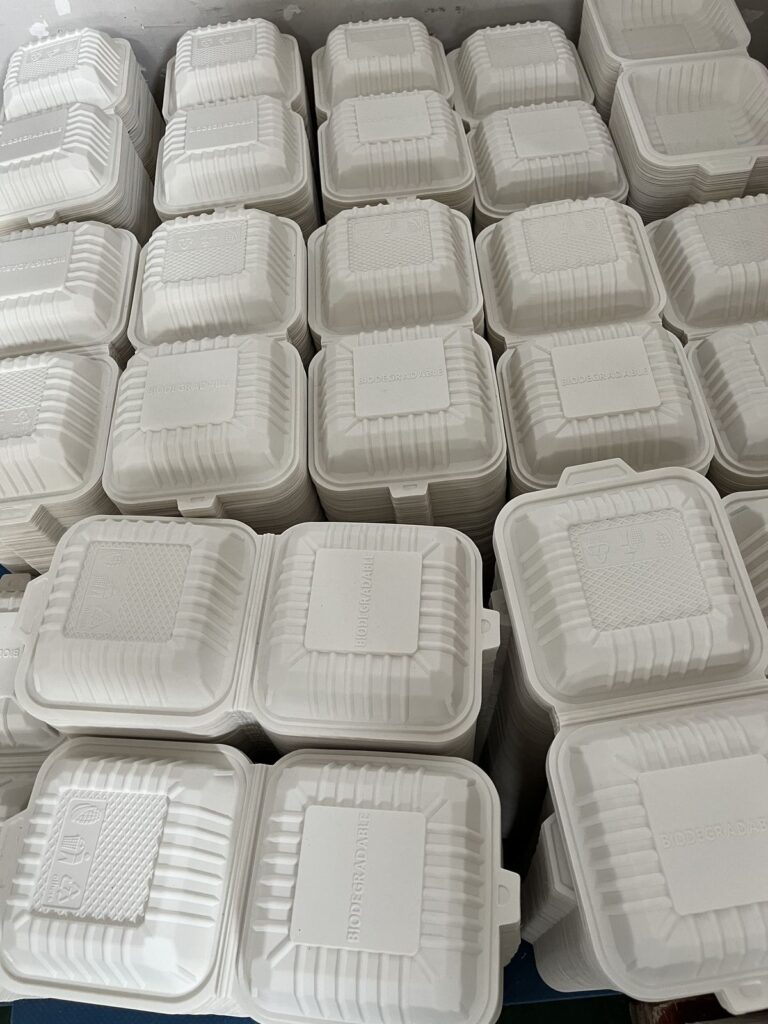
1. Biodegradable Packing Peanuts
Biodegradable packing peanuts are made from natural materials like corn starch or wheat instead of petroleum-based plastic.
- They dissolve in water and break down naturally
- Non-toxic and safe for the environment
- Can be composted after use
According to Biodegradable Packing Peanuts Explained, these peanuts are made from plant-based materials and can decompose within weeks under the right conditions, making them a much better alternative to traditional Styrofoam.
2. Recycled Cardboard Packaging
Recycled cardboard is one of the most widely used and effective alternatives.
- 100% recyclable and biodegradable
- Easily available and cost-effective
- Can be reused as protective packaging
As highlighted in the Eco-Friendly Cardboard Packaging Guide, cardboard can be repurposed into cushioning material and is considered a sustainable substitute for Styrofoam packaging.
Additionally, most corrugated cardboard can be recycled multiple times, making it one of the most environmentally friendly materials available.
3. Molded Pulp Containers
Molded pulp (or molded fiber) is made from recycled paper, cardboard, or natural fibers like bamboo.
- Biodegradable and compostable
- Designed to fit products securely
- Commonly used for electronics and food packaging
According to Molded Pulp Packaging Benefits, this material provides strong protection while remaining fully recyclable and environmentally friendly.
It also naturally decomposes without releasing harmful chemicals, making it ideal for sustainable packaging.
4. Reusable Plastic Containers
While plastic is not always eco-friendly, reusable plastic containers are a better alternative to single-use Styrofoam.
- Durable and long-lasting
- Can be reused multiple times
- Reduces overall packaging waste
High-quality reusable containers help minimize single-use waste and support a more sustainable consumption cycle when used repeatedly.
Why Switching Matters
Switching to eco-friendly materials significantly reduces environmental damage. Styrofoam is made from petroleum and can take hundreds of years to decompose, while alternatives like cardboard and plant-based materials break down naturally and reduce pollution.
Common Mistakes to Avoid
When handling Styrofoam waste, avoid these common errors:
- Burning it (toxic and illegal)
- Placing it in curbside recycling bins
- Littering or leaving it exposed outdoors
- Breaking it into tiny, unmanageable particles
Being aware of these mistakes ensures safer disposal practices.
Quick Summary: How to Dispose of Styrofoam
- Do not burn Styrofoam under any circumstances
- Try reuse or donation first
- Look for specialized recycling programs
- Follow local waste regulations
- Break it down safely if disposing of it in the trash
Conclusion
Styrofoam may be convenient to use, but disposing of it responsibly requires effort and awareness. Whether you’re dealing with packaging materials or food containers, understanding how to dispose of styrofoam properly helps reduce environmental harm and promotes sustainable waste management.
The key takeaway is simple: never burn Styrofoam, explore recycling options where available, and prioritize reuse whenever possible. Even small actions—like donating packing materials or following proper disposal guidelines—can make a significant difference.
As environmental concerns continue to grow, adopting smarter waste practices is no longer optional—it’s essential. By choosing the best way to dispose of styrofoam, you contribute to a cleaner, safer, and more sustainable future.
Frequently Asked Questions (FAQs)
1. Can you burn styrofoam safely?
No, burning Styrofoam releases toxic fumes that harm human health and the environment. It should never be burned under any circumstances.
2. What is the best way to dispose of styrofoam?
The best way is to recycle it at a specialized facility. If that’s not available, reuse or donate it before considering disposal in the trash.
3. How to dispose of styrofoam if recycling is not available?
If recycling is unavailable, break it into manageable pieces, seal it in bags, and dispose of it according to your local waste guidelines.
4. Can you put Styrofoam in the recycling bin?
No, most curbside recycling programs do not accept Styrofoam. It requires special recycling facilities.
5. How to break down styrofoam for trash safely?
You can manually break it into smaller pieces and place it in sealed bags. Avoid crushing it into tiny particles or using chemicals.
6. Why is styrofoam recycling difficult?
Styrofoam is lightweight, bulky, and expensive to transport and process, making it less attractive for standard recycling systems.
7. Can you burn styrofoam to get rid of it quickly?
No, burning Styrofoam is dangerous, releases toxic gases, and is often illegal. It is not a safe disposal method.